Waiting to replace a failing Ohio roof does not save money. Every season you delay, the odds of additional structural damage go up — and those repairs layer on top of the replacement cost you were already facing. Most homeowners who delay one to three years end up spending 20 to 50 percent more than the original replacement quote they were trying to avoid.
Ohio's climate makes this worse than the national average. With 46 inches of annual precipitation, hard freeze-thaw cycles from November through March, and active hail seasons, a compromised roof does not just sit there. It fails in stages, and each stage costs more to fix than the last.
What Actually Happens When You Delay
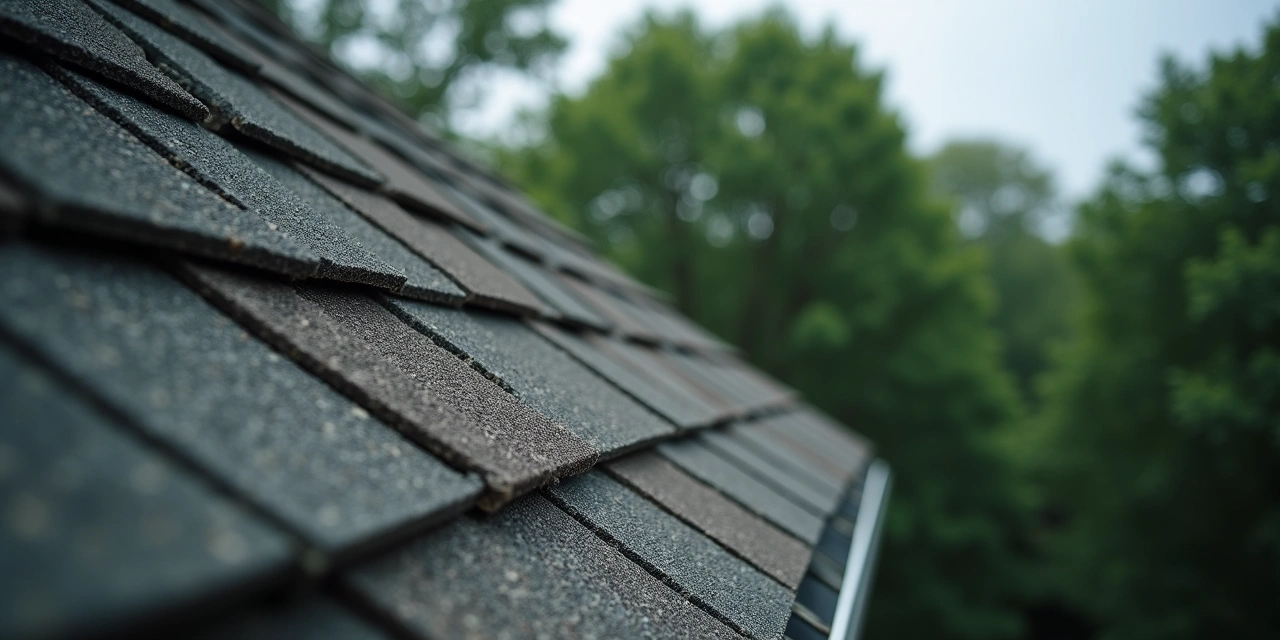
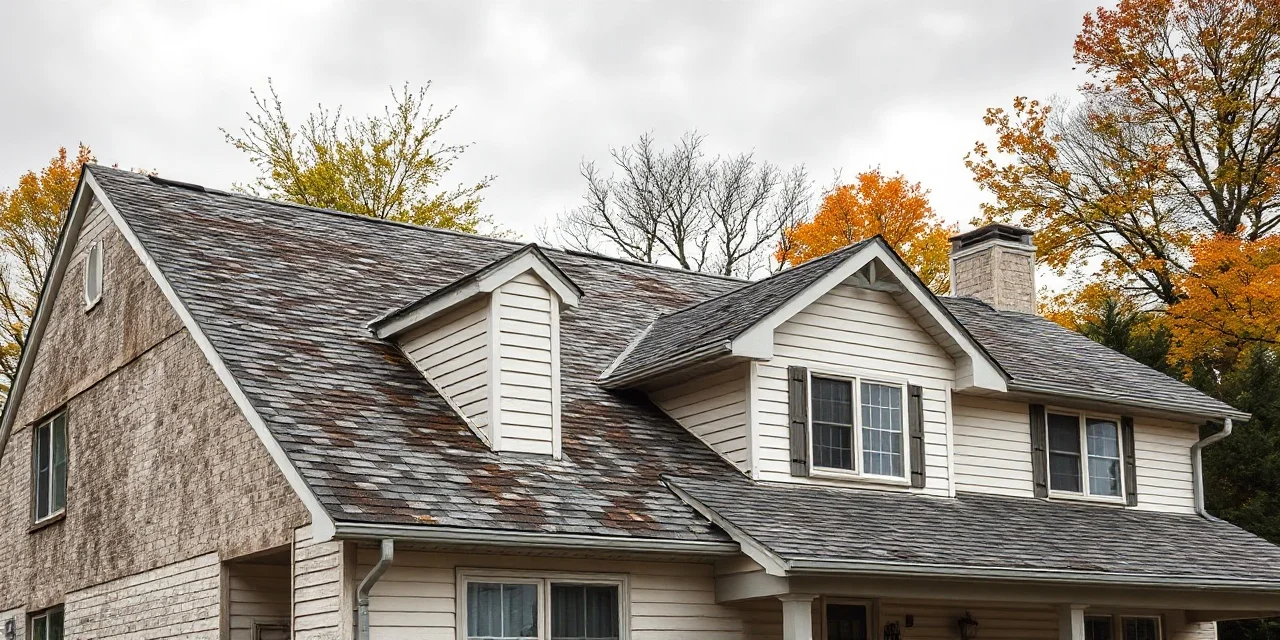
A roof in the replacement zone — typically 18 to 25 years for architectural shingles, older for three-tab — is not just cosmetically worn. The underlayment is degraded, the shingles have lost most of their granule coating, and the flashing is likely compromised at penetrations. What holds the system together is thinner than most homeowners imagine.
When Ohio rain or snowmelt finds a pathway through that system, it hits the roof deck first. OSB decking absorbs moisture quickly and softens. Left wet through a winter, it develops rot. One season of water intrusion typically affects 5 to 15 percent of the deck. Two seasons, 20 to 40 percent. By the third year, full deck replacement is common on older homes, adding $2,000 to $6,000 to a job that otherwise would have been straightforward.
Below the deck, the story compounds. Wet insulation compresses permanently and loses R-value. Mold begins at relative humidity above 60 percent, and attic spaces in Ohio homes regularly hit that threshold during summer. Once mold establishes in the attic, you are looking at remediation costs — not just replacement costs.
The Dollar Numbers Behind Each Year of Delay
These ranges reflect Central Ohio contractor pricing in 2026. Your actual numbers will vary by home size, roof pitch, and how fast water found a path through.
| Delay Scenario | Added Repair Work | Typical Added Cost |
|---|---|---|
| Replace now | Standard tear-off and replacement | $0 added |
| 1-year delay | Minor decking replacement (5–10 sheets), possible flashing repairs | $400 to $1,200 |
| 2-year delay | Moderate decking replacement (10–25 sheets), insulation damage, possible soffit rot | $1,500 to $4,500 |
| 3-year delay | Extensive decking, mold remediation, interior drywall and insulation | $4,000 to $12,000+ |
The repair cost numbers above do not include the eventual replacement itself — they are additive. A $14,000 replacement quote that you put off for three years and experience moisture intrusion can easily land at $18,000 to $22,000 by the time the job is done.
How Insurance Changes When You Wait
Ohio insurers have steadily tightened their roof-age policies over the last decade. Many carriers now move roofs past 15 to 20 years from Replacement Cost Value (RCV) payouts to Actual Cash Value (ACV) payouts. The difference is significant: RCV pays what a new roof costs. ACV pays what your current roof is worth after depreciation. On a 22-year-old roof, ACV might be 15 to 30 cents on the dollar.
A worse outcome happens when you file a claim on a roof that an adjuster determines was already in pre-existing deteriorated condition. In that case, the insurer can deny the water damage claim entirely on maintenance-neglect grounds. The policy language in most Ohio homeowners policies excludes damage caused by "failure to maintain" the property in good condition. A roof that was already past replacement age when it started leaking is a textbook maintenance-neglect situation.
Replacing before this threshold keeps you on RCV coverage and keeps your claim options open. Learn more about how insurance intersects with roofing at our roof lifespan guide or the storm damage and insurance page.
3-Year Delay Cost: What Compounds
Cost-of-Delay Calculator
Enter your current replacement quote and roof condition to see how much the delay scenario adds to your projected total.
' + advice + '
'; })()">Calculate Delay CostWhen Waiting Actually Makes Sense
Not every aging roof needs to come off this season. A few situations where waiting 12 months is defensible:
- Roof is 17 to 19 years old, no active leaks, clean attic inspection: You likely have a real planning window. Use it to get multiple quotes and budget properly.
- Waiting on a home sale closing: If you are selling within 6 months, a pre-listing roof inspection matters more than a replacement. Disclosure and negotiation are a real option.
- Insurance renewal timing: If your carrier already approved an RCV claim and replacement is scheduled, you are in good shape — just do not push the claim work past the adjustment window.
What is never defensible: patching a roof that is structurally compromised with a $300 to $500 annual spend and calling it maintenance. Patch costs on a roof past its service life do not reset the clock — they just postpone the reckoning and add to the total invoice.
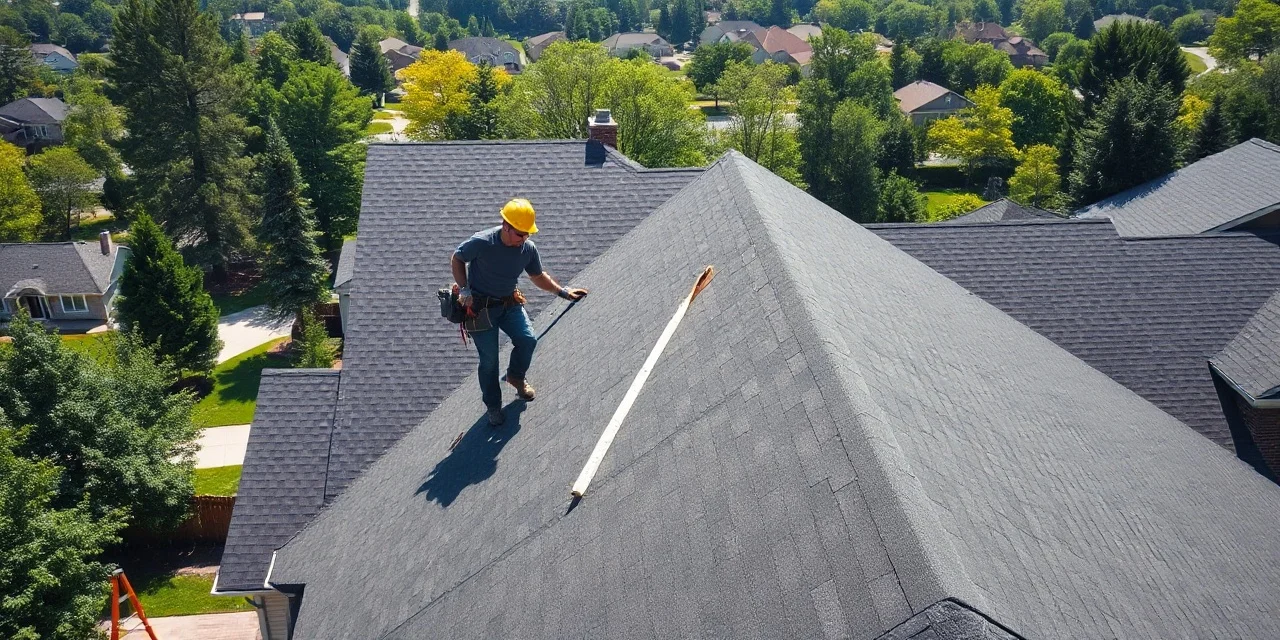
If you are unsure which category you are in, a professional roof inspection is $0 to $150 and gives you an attic report, a deck condition assessment, and a clear replacement timeline recommendation.
Frequently Asked Questions
How much does delaying a roof replacement add to the total cost?
One to three years of delay typically adds 20 to 80 percent to the final project cost on a home with active moisture intrusion. A $14,000 replacement can reach $18,000 to $22,000 after decking, insulation, and possible mold remediation work is added. The exact number depends on how fast water finds a path through the roof and how much decking it reaches before the job starts.
Will my homeowners insurance cover damage from a roof I delayed replacing?
Ohio insurers typically deny claims for damage resulting from deferred maintenance rather than a sudden storm event. If an adjuster determines your roof was already in deteriorated condition, the water damage claim can be denied on maintenance-neglect grounds. Additionally, many carriers switch aging roofs from Replacement Cost Value to Actual Cash Value payouts once the roof passes 15 to 20 years old.
What are the first signs that delaying is becoming dangerous?
The transition from watchable to urgent happens when you see daylight through the roof deck in the attic, when insulation feels damp or compressed, when interior ceiling stains keep expanding even after dry weather, or when roof decking feels soft during an inspection. Any active mold smell in the attic is a hard stop. At that point you are not delaying a replacement — you are accumulating remediation costs that compound monthly.
Disclaimer: Cost projections and escalation estimates on this page are illustrative only. They are modeled from contractor invoice data, Ohio remediation pricing ranges, and insurance industry benchmarks — not audited case studies. Actual costs will vary by roof size, condition, material type, and contractor. This content does not constitute financial or legal advice.
Get a Roof Replacement Quote Before Costs Compound
Fairfield County homeowners can get a no-pressure assessment. Know your actual timeline and costs before making a decision.