Most Ohio homeowners don't think about their roof until something goes wrong. By that point, the question shifts from "how long will this last?" to "how bad is it?" Knowing your roof's real remaining lifespan is one of the most useful pieces of information you can have as a homeowner — it affects your insurance coverage, your home's resale value and your repair-vs-replace math on any given problem.
This guide covers actual lifespan data for every common roofing material in Ohio's climate, what accelerates aging in Fairfield County specifically, and how to read the signs before the roof tells you in the most expensive way possible.
How Long Does an Asphalt Shingle Roof Last in Ohio?
Asphalt shingles in Ohio last between 15 and 30 years, with the range determined almost entirely by which type of shingle you have and how well the installation was done. Ohio's climate is harder on shingles than most homeowners realize.
Ohio averages roughly 46 inches of precipitation per year according to NOAA data. That places it well above the national average and means your roof deals with more wet-dry cycling, more freeze-thaw stress and more sustained moisture exposure than roofs in drier states. The Midwest spring storm season adds hail and wind damage to that baseline wear.
Here's how the two main shingle types compare:
| Shingle Type | Typical Ohio Lifespan | Manufacturer Warranty | Notes |
|---|---|---|---|
| Three-tab shingles | 15–20 years | 20–25 years | Thin profile, lower wind rating, most vulnerable to curling |
| Architectural shingles | 25–30 years | 30–50 years | Heavier, laminated, better wind resistance |
Notice the gap between manufacturer warranty and real Ohio lifespan. Warranties are written for ideal installation and maintenance conditions. They're also limited by fine print that voids coverage for ventilation problems, installation errors and weather events. Most Ohio homeowners replace at 22 to 28 years even on architectural shingles — the last few years on a warranty timeline are usually looking rough by then.
One more number worth knowing: 80% of early roof failures trace to installation errors, not material defects. Wrong nail placement, inadequate underlayment, skipped ice and water shield in valleys — these kill roofs years before they should fail. Your shingle's lifespan is only as good as the installation beneath it.
What Shortens a Roof's Lifespan in Fairfield County?
Fairfield County has four specific climate and geography factors that shorten roof life faster than the manufacturer's warranty department assumes.
Ice dams. Ice dam damage is Fairfield County's single biggest winter roofing issue. Ice dams form when heat escapes through the attic, melts snow on the upper roof, and that water refreezes at the cold eaves. The ice backs up under shingles and flashing, forcing water into the decking and attic. Repeated ice dam cycles destroy underlayment and rot decking in 3 to 5 years. Every Lancaster-area home with inadequate attic insulation is at risk.
Freeze-thaw cycling. Ohio winters don't stay cold. We get temperature swings where it's 15°F one week and 45°F the next. Every freeze-thaw cycle expands and contracts roofing materials. Asphalt shingles crack along granule lines. Metal flashing works loose from sealant. Over years, this cycling is slow but cumulative damage.
Hail. Hail damage from Ohio's spring storm season knocks granules off shingles, exposing the underlying asphalt mat to UV degradation. A roof that takes a 1.5" hailstorm may look intact from the ground but have lost years of protective granule coverage. Fairfield County sits in a hail-prone corridor and sees damaging events most years.
Poor attic ventilation. Roofs fail from the inside too. An attic that can't breathe traps heat in summer — temperatures can reach 150°F or higher — which bakes shingles from the underside and accelerates the breakdown of the asphalt. In winter, trapped moisture in a poorly ventilated attic condenses on the decking and causes rot. Proper attic ventilation, combining a ridge vent with soffit intake vents, can add 5 to 8 years to a shingle roof's useful life.
Tree coverage is also worth mentioning. Homes with heavy tree canopy over the roof get less direct UV exposure, which helps shingles, but also accumulate debris that holds moisture against the surface and accelerates granule loss and algae growth. Keeping gutters clear and branches trimmed back 6 feet from the roofline makes a real difference.
How Long Do Metal Roofs Last vs Asphalt?
Metal roofing in Ohio lasts 40 to 70 years depending on the system type. That's not marketing — it's the measured performance of steel and aluminum in comparable climates. The gap between metal and asphalt lifespan is real and large.
Here's the breakdown by metal system type:
| Metal System | Expected Lifespan | Key Characteristic |
|---|---|---|
| Exposed-fastener panels (R-panel, corrugated) | 30–50 years | Fasteners degrade over time, require periodic resealing |
| Standing seam steel | 40–70 years | No exposed fasteners, expands and contracts freely |
| Standing seam with Kynar coating | 50–70 years | Premium coating resists UV and oxidation most effectively |
| Aluminum standing seam | 40–60 years | Won't rust, lighter than steel, good for coastal/humid climates |
Metal handles Ohio's freeze-thaw cycle better than asphalt because it doesn't crack under thermal stress — it's designed to expand and contract. Standing seam systems do this especially well because the panels float rather than being nailed rigidly. Metal also sheds snow and ice more cleanly, which reduces ice dam risk significantly.
The honest trade-off: metal costs 2 to 3 times more upfront than architectural shingles. On a 2,000 sq ft home, you might spend an extra $15,000 to $20,000 to go metal. Over a 50-year ownership horizon, though, you replace asphalt twice while metal requires only maintenance. See the detailed cost comparison in our article on metal vs. asphalt shingles in Ohio.
For material weight and structural considerations when choosing between metal and asphalt, see our roofing material comparison guide.
What Are the Signs a Roof Is Past Its Lifespan?
A roof near the end of its life gives you plenty of warning. Most homeowners miss it because the signs start subtle. Here's what to watch for, organized from early to late.
Early signs (5 to 7 years before failure):
- Granule loss in gutters after storms — architectural shingles losing granules accelerates UV breakdown
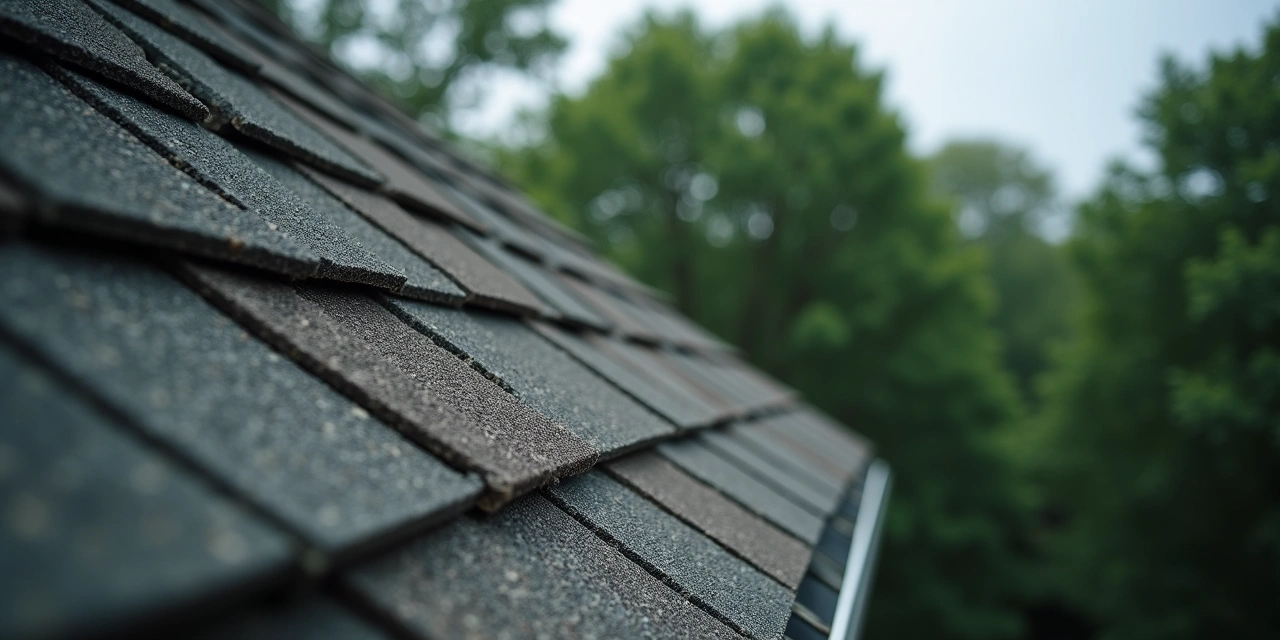
- Slight curling at shingle edges, especially on south-facing slopes
- Minor cracking visible on older three-tab shingles
- First signs of moss or algae streaking
Mid-stage signs (2 to 4 years before failure):
- Visible cupping (shingle edges turning up) across multiple areas
- Flashing lifting or separating from the chimney, skylights or vents
- Missing shingles after any wind event over 40 mph
- Daylight visible through attic boards or water stains on attic decking
Late-stage signs (replacement now):
- Active leaks after rain — not just ice dam drips in winter
- Sagging sections of the roof plane
- Multiple areas of missing, cracked or bare shingles
- Mold in attic from sustained moisture infiltration
If your roof is showing mid-stage signs and is over 20 years old, get a professional roof inspection before spending money on repairs. At that age, the repair-vs-replace math usually favors replacement. Our guide on signs your roof needs repair vs. replacement walks through that decision in detail.
Does Roof Lifespan Affect Home Value and Insurance?
Yes, on both counts. And more than most homeowners expect.
Home value: Buyers and their agents know how to read a roof. A roof within 5 years of the end of its estimated lifespan will come up in every home inspection and typically results in a negotiated credit of $8,000 to $15,000 or a replacement requirement before closing. A new or recently replaced roof, on the other hand, is a genuine selling point — especially on architectural shingles with a transferable manufacturer warranty. Appraisers factor condition into their valuations. A 25-year-old three-tab roof on a home otherwise priced at market will drag that number down.
Insurance: Ohio insurers have tightened underwriting on older roofs significantly. Many carriers now switch policies to Actual Cash Value (ACV) payouts once a roof exceeds 15 to 20 years, which means any storm claim payout is depreciated by age. Some carriers send inspection requirements or non-renewal notices on roofs over 20 years old. If your roof is aging out, it can affect your ability to get or keep coverage at standard rates. Replacing a roof before it becomes an underwriting problem can save more than just repair costs.
If you're planning to sell within 3 to 5 years, check the current replacement cost in Ohio against what a buyer credit would likely be. In most Fairfield County transactions, proactive replacement comes out ahead.
How Do You Extend Your Roof's Lifespan?
You can't stop time, but you can slow the clock. These are the five highest-impact things a Fairfield County homeowner can do to get more years from their current roof.
1. Fix ventilation first. If your attic runs hot in summer or develops frost in winter, the ventilation system is wrong. Add or repair ridge venting and ensure soffit intake vents aren't blocked by insulation. This single fix can add 5 to 8 years to shingle life by reducing thermal cycling and moisture buildup.
2. Keep gutters clear. Clogged gutters back water up against the fascia and soffit, and eventually under the drip edge. In winter, full gutters contribute directly to ice dam formation. Clean them every fall — ideally twice if you have heavy tree coverage.
3. Address flashing failures immediately. Most leaks don't start in the field of the roof. They start at penetrations — chimneys, vents, skylights and valleys — where flashing meets the shingles. A $200 flashing repair caught early prevents a $3,000 decking repair six months later. Roof repair on flashing is almost always worth doing even on an older roof.
4. Get annual or biennial inspections. A professional roof inspection costs $0 to $150 and catches problems when they're still small. Most contractors will note flashing gaps, lifted shingles, granule loss patterns and ventilation problems in a written report. Use that report to plan maintenance rather than react to emergencies.
5. Treat algae and moss early. Algae streaks (the black staining you see on south and west slopes) don't just look bad — they hold moisture against the shingle surface and accelerate granule loss. Zinc strips at the ridge, or a professional low-pressure cleaning treatment, stop the problem before it shortens your roof's life. Use only low-pressure washing. High-pressure blasting strips granules and voids many warranties.
For a cost-by-cost look at what different roofing materials cost to install when replacement time does arrive, see our material comparison guide. And use our roof area calculator to estimate your roof's square footage before getting quotes.
Frequently Asked Questions
How long does an architectural shingle roof last in Ohio?
Architectural shingles in Ohio typically last 25 to 30 years with proper installation and maintenance. Ohio's annual precipitation average of 46 inches and freeze-thaw cycling put more stress on shingles than drier climates. Homes with correct attic ventilation consistently hit the upper end of that range. Most Ohio homeowners replace at 22 to 28 years even with warranties that extend longer.
What is the lifespan of a metal roof in Ohio?
Metal roofing in Ohio typically lasts 40 to 70 years depending on panel type and coating quality. Standing seam systems with Kynar coatings regularly reach 50 to 70 years. Exposed-fastener panels tend to land in the 30 to 50 year range as fastener seals degrade over time. Metal handles Ohio's freeze-thaw cycle and hail events significantly better than asphalt shingles.
Does roof age affect homeowners insurance in Ohio?
Yes, significantly. Many Ohio insurers restrict coverage or switch to Actual Cash Value (ACV) payouts on roofs over 15 to 20 years old. Some carriers require an inspection before renewing a policy on an older home. A roof nearing the end of its stated lifespan can trigger a non-renewal notice. Replacing an aging roof often improves both insurability and claim payout basis if you ever file a storm claim.
Can proper maintenance really extend my roof's lifespan?
Yes. The single biggest maintenance gains come from keeping gutters clear, maintaining attic ventilation and catching flashing failures early. Proper attic ventilation alone can add 5 to 8 years to a shingle roof's life by reducing the heat and moisture cycling that degrades shingles from the underside. Annual inspections run $0 to $150 and cost far less than an accelerated replacement. Check the glossary for definitions of any roofing terms that come up during your inspection.
Need Help with Your Roof?
Get a free, itemized estimate from Fairfield County's trusted roofing team.