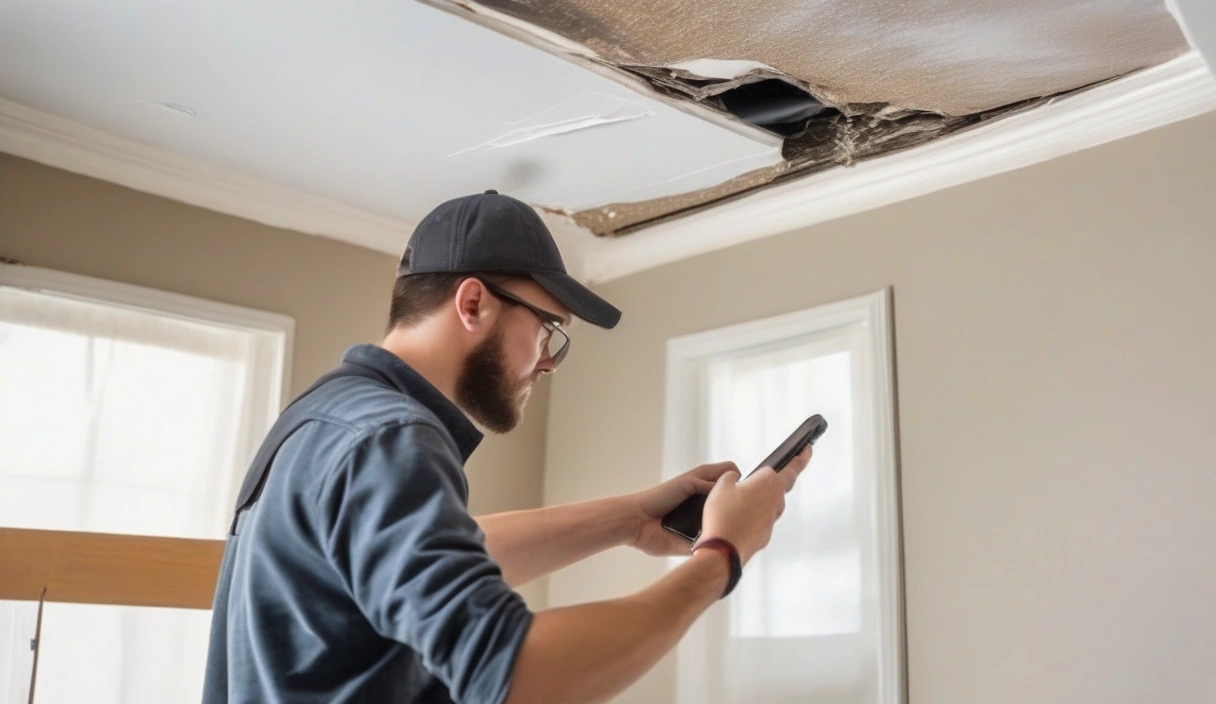
You just discovered a water stain spreading across your ceiling after last night's storm.
Now you're staring at your insurance policy wondering if you're covered or if you're about to pay thousands out of pocket.
The answer isn't simple, and that's by design.
Insurance companies in Ohio make their money by collecting premiums and minimizing payouts.
Understanding exactly when your homeowners policy covers roof leaks versus when you're on your own can save you from costly surprises.
Below, we break down the specific scenarios where coverage applies, the exclusions that trip up most homeowners, and the steps you need to take right now to protect your claim.
The Basic Rule: Sudden vs. Gradual Damage
Insurance companies draw a hard line between two types of roof damage.
Sudden, accidental damage is typically covered.
This includes leaks caused by wind ripping off shingles during a storm, hail puncturing your roof, a tree falling on your house, or fire damage.
These are one-time events that happen quickly and unexpectedly.
Gradual damage or neglect is almost never covered.
This includes leaks from an aging roof that's simply worn out, deterioration from years of deferred maintenance, or damage that developed slowly over time.
The challenge for homeowners in Lancaster and Fairfield County is that adjusters are trained to look for any evidence that your leak falls into the second category.
If they can argue the damage was "pre-existing" or resulted from normal wear and tear, they will deny the claim.
Covered Scenarios: When Insurance Pays
Let's walk through the situations where Ohio homeowners insurance typically covers roof leak repairs.
Wind Damage from Severe Weather
Ohio experiences significant wind events, especially during spring and summer storms.
If high winds lift, tear, or remove shingles, and rain subsequently enters through the exposed area, your policy should cover both the roof repair and the interior water damage.
The key is proving the wind event caused the damage.
Save weather reports showing wind speeds on the date of the storm.
Take photos of missing or damaged shingles immediately.
The adjuster will look for evidence the shingles were in good condition before the storm.
Hail Damage
Hailstorms are a covered peril under standard policies.
Hail can crack shingles, knock off granules, and create weak points where water infiltrates.
The tricky part is that hail damage may not cause an immediate leak.
You might not notice the problem for months or even years until the compromised shingles finally fail.
This delayed discovery can complicate claims.
Adjusters may argue the leak is from age rather than the hail event.
This is why we recommend having a professional storm damage inspection immediately after any major hail event, even if you don't see obvious damage.
Fallen Trees or Debris
If a tree, branch, or other object falls on your roof and causes damage that leads to leaks, coverage applies.
This is true even if the tree was healthy and fell due to a storm.
However, if the tree was dead, diseased, or obviously hazardous before it fell, the insurer may deny your claim for neglecting to remove a known threat.
Fire, Vandalism, and Other Named Perils
Fires that damage the roof, vandalism causing roof penetration, or damage from vehicles or aircraft are all typically covered events.
These are straightforward claims because the cause is obvious and documented.
Excluded Scenarios: When Insurance Won't Pay
Understanding exclusions is just as important as understanding coverage.
Wear and Tear from Aging
A 20-year-old asphalt shingle roof that starts leaking because the shingles have simply reached the end of their lifespan is not covered.
Insurance policies explicitly exclude damage from normal wear, deterioration, or inherent vice.
If the adjuster determines your roof failed because it was old and needed replacement anyway, they will deny the claim even if a storm occurred recently.
Deferred Maintenance and Neglect
Ohio policies require homeowners to maintain their property in good condition.
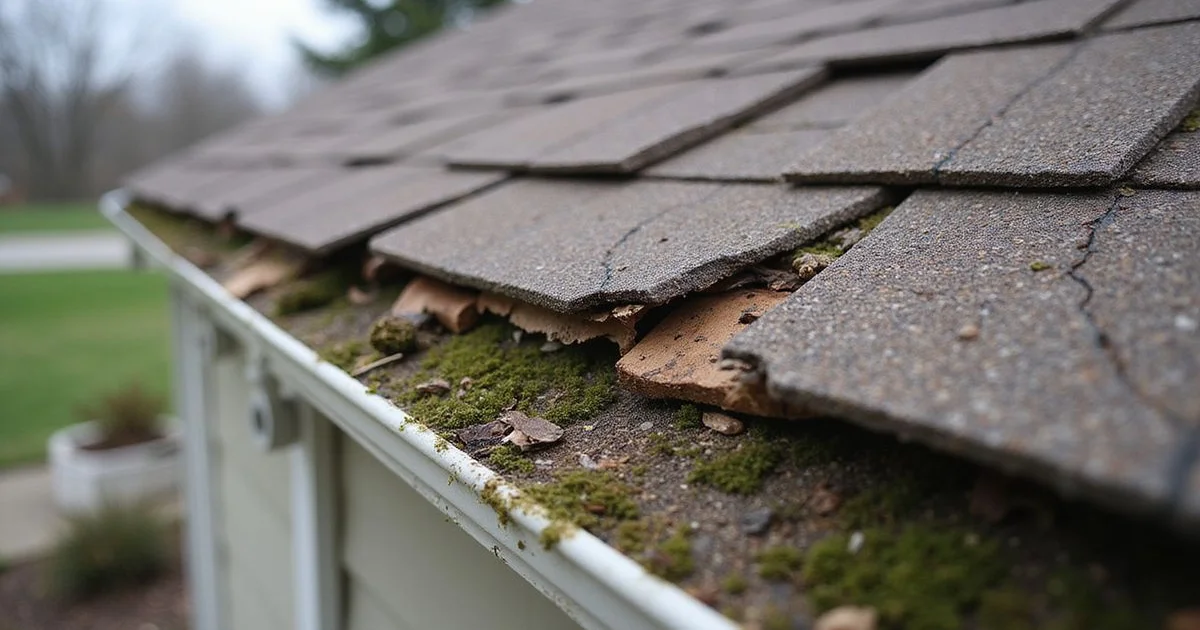
If your leak results from clogged gutters that caused water to back up under shingles, missing flashing you never repaired, or other maintenance issues you ignored, expect a denial.
Adjusters look for evidence of neglect.
Algae growth, moss, sagging sections, and visible deterioration all suggest poor maintenance.
Ice Dams
This is a gray area that frustrates many Ohio homeowners.
Ice dams form when heat escapes through your roof, melts snow, and the water refreezes at the eaves.
The ice blocks drainage and forces water under the shingles.
Some insurers cover ice dam damage if it results from a sudden weather event.
Others exclude it entirely, arguing ice dams result from inadequate insulation or ventilation, which they classify as a maintenance issue.
Your policy language determines coverage.
Look for specific ice dam exclusions in your declarations page.
Earth Movement and Flooding
Standard homeowners policies do not cover flood damage.
If rising floodwaters enter your attic and damage the roof from below, that's not covered.
Similarly, earthquakes, landslides, and sinkholes are excluded.
The ACV vs. RCV Payout Difference
Even if your leak is covered, the amount you receive depends on your policy type.
Actual Cash Value (ACV)
ACV policies pay the depreciated value of your roof.
If your roof is 15 years old, the insurer subtracts 15 years of depreciation from the replacement cost.
For a roof with a 25-year lifespan, you might only receive 40% of the replacement cost.
On a $15,000 roof, that's a $6,000 check instead of $15,000.
You're left covering the $9,000 gap plus your deductible.
Replacement Cost Value (RCV)
RCV policies pay the full cost to replace your roof with new materials of similar quality, regardless of age.
These policies cost more in monthly premiums, but they eliminate the depreciation gap.
For most homeowners in Fairfield County, the extra premium cost is worth it.
A single claim on an aging roof makes up the difference.
Understanding Your Deductible
Your deductible is the amount you pay before insurance kicks in.
Most Ohio homeowners have deductibles between $500 and $2,500.
Some policies now include percentage-based deductibles for wind and hail damage.
A 1% deductible on a $300,000 home means you pay the first $3,000 of damage.
A 2% deductible means $6,000.
For small leaks where the repair costs $2,000, filing a claim with a $2,500 deductible makes no financial sense.
You pay the entire cost anyway, plus the claim goes on your record and may increase future premiums.
What to Do When You Discover a Leak
Your actions in the first hours after discovering a leak directly impact whether your claim succeeds or fails.
Stop Further Damage Immediately
You have a duty to mitigate.
Place tarps over exposed areas.
Use buckets to catch drips.
Move furniture and electronics away from the leak.
If you don't take reasonable steps to prevent additional damage, the insurer can deny coverage for that secondary damage.
Keep receipts for emergency supplies like tarps and plywood. These costs are usually reimbursable.
Document Everything
Take extensive photos and videos.
Capture the leak location, water damage, visible roof damage from the ground, and any debris.
If a storm caused the damage, save weather reports showing conditions on that date.
This documentation becomes critical evidence.
Get a Professional Assessment First
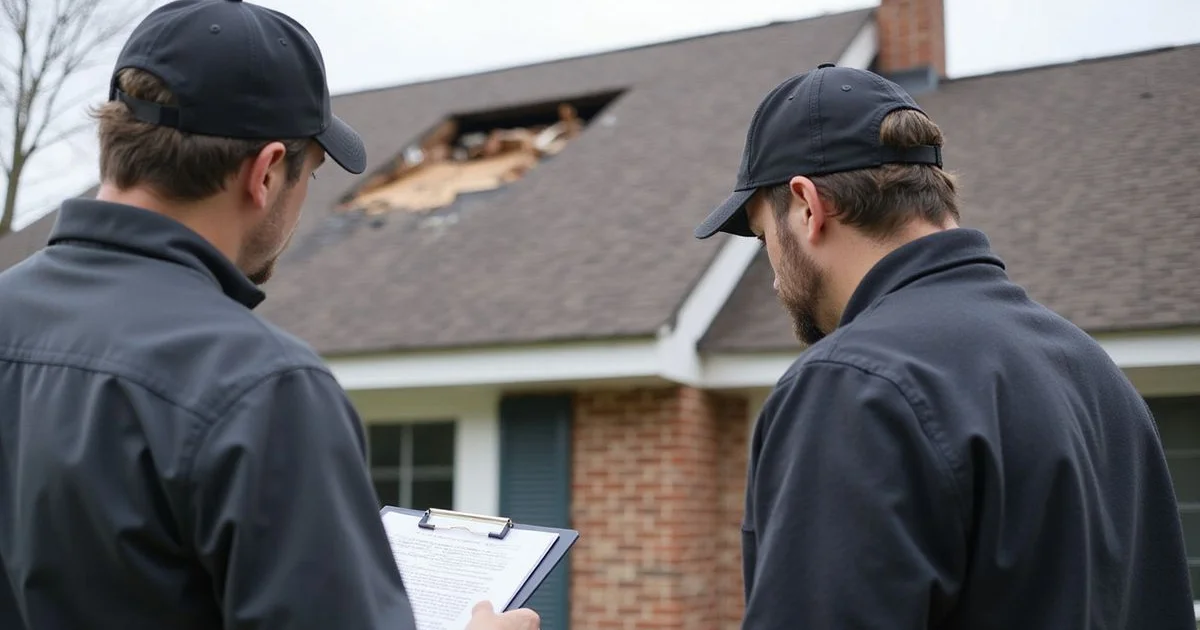
Before calling your insurance company, have a licensed roofing contractor inspect the damage.
They can tell you whether the damage appears to be from a covered event or from aging and neglect.
If the contractor believes the damage is from normal wear, you may decide not to file a claim and simply pay for repairs yourself.
Filing a claim that gets denied still goes on your record as a loss, which can affect your rates and future insurability.
Understand the Claims Process
If you decide to file, the insurer will send an adjuster to inspect your roof.
The adjuster works for the insurance company, not for you.
Their job is to minimize the payout.
Having your own contractor present during the inspection ensures someone represents your interests.
The contractor can point out damage the adjuster might overlook or mischaracterize.
For a detailed step-by-step process, read our guide on how to file a roof insurance claim in Ohio.
Common Claim Denial Reasons and How to Fight Them
If your claim is denied, you have options.
Reason 1: "The damage is from wear and tear, not the storm."
Response: Provide a professional assessment from a licensed contractor clearly linking the damage to the specific weather event. Weather reports, photos showing the roof's condition before the storm, and expert testimony can counter this argument.
Reason 2: "The damage was pre-existing before your policy started."
Response: If you have documentation showing the roof was in good condition when you purchased the policy, such as a home inspection report, this defense fails. Push back with evidence.
Reason 3: "You failed to maintain the roof."
Response: Maintenance records, receipts for previous repairs, and professional inspection reports showing you kept the roof in good condition can rebut neglect claims.
If the insurer still denies your claim, you can file an appeal with the company, file a complaint with the Ohio Department of Insurance, or hire a public adjuster or attorney to represent you. The Ohio Department of Insurance's Homeowner Resource Center provides state-specific guidance on filing claims and understanding your policy rights.
When to Skip the Claim and Pay Out of Pocket
Not every leak warrants an insurance claim.
If the repair cost is close to your deductible, paying yourself may be smarter.
Multiple claims within a few years can label you a high-risk policyholder, leading to non-renewal or significantly higher premiums.
For minor repairs under $3,000 where the cause is ambiguous, consider self-funding and preserving your claims history for truly catastrophic events.
Get Expert Help with Your Roof Leak
Navigating insurance claims while dealing with an active leak is stressful.
At Fairfield Peak Roofing, we work with homeowners throughout Lancaster and Fairfield County to assess damage, document losses, and provide the professional reports insurers respect.
Whether you need emergency repairs, a full damage assessment, or help understanding your coverage, we're here to guide you through every step.
Contact us today for a thorough roof inspection and honest advice about your insurance options.
Need Help with a Roof Leak or Insurance Claim?
Get a professional assessment and documentation from Lancaster's roofing experts.