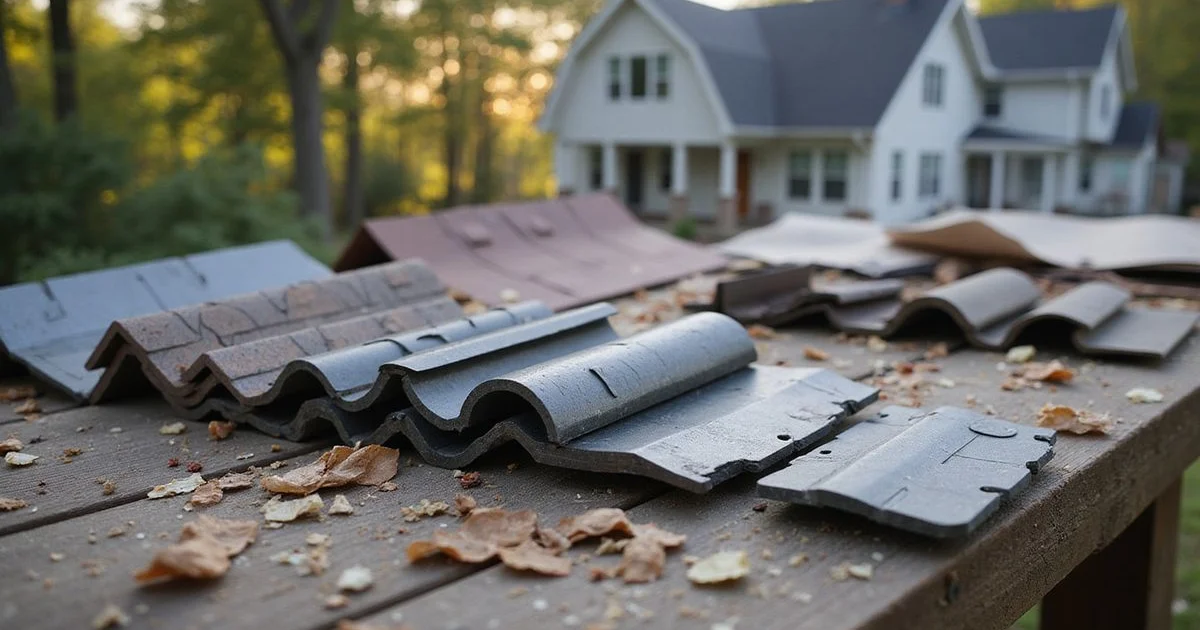
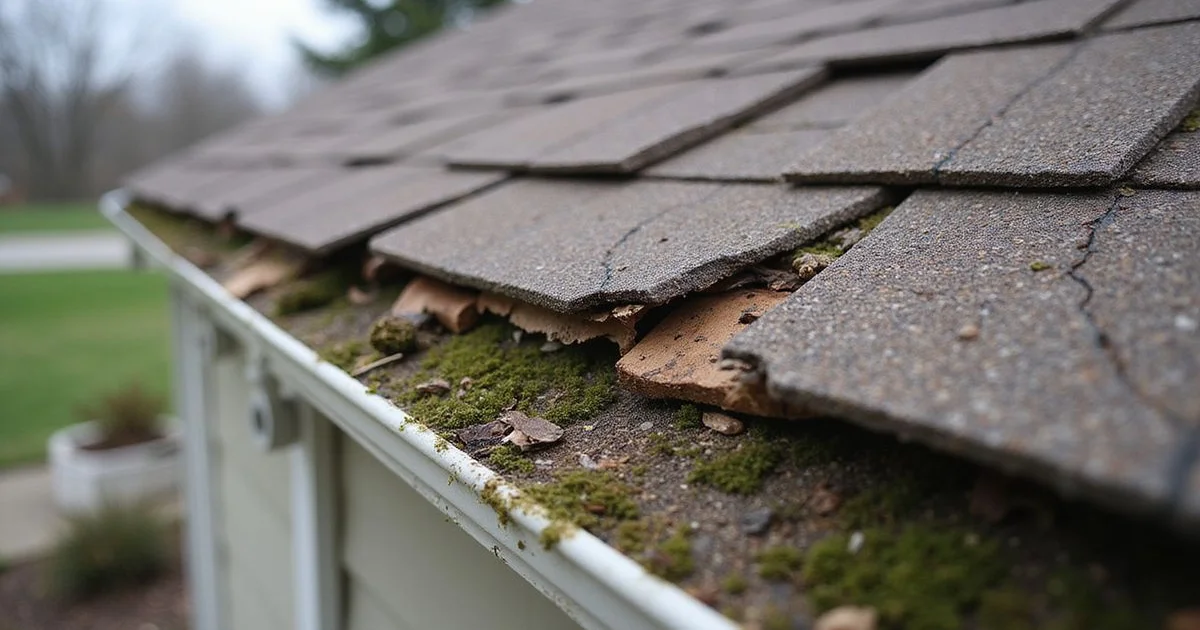
The question is straightforward but the answer is nuanced: yes, a new roof increases home value in Ohio — but not in the way most homeowners think. It's less about the number on the appraisal and more about what happens during the transaction. Buyers don't pay extra for a new roof the way they pay extra for a finished basement. What a new roof actually does is remove a negotiating lever — and in Ohio's real estate market, that lever costs sellers real money. This guide breaks down the actual recovery data for central Ohio, how buyers and appraisers treat roofing, and how to make the smartest roofing decision if you're planning to sell.
The National Data — And What Ohio Actually Looks Like
Remodeling Magazine's annual Cost vs. Value Report is the most widely cited source for home improvement ROI data. For the Columbus/Central Ohio market, the numbers for asphalt shingle roof replacement are consistent:
- National average cost recovery: approximately 61%
- Columbus/Central Ohio recovery range: 55–70%, depending on neighborhood tier and current market conditions
- On a $14,000 roof replacement: $7,700–$9,800 recovered in added resale value
Those percentages might look underwhelming at first glance. But they tell only part of the story. Here's the full picture for Fairfield County homeowners:
| Roof Replacement Cost | Recovery Rate (OH) | Added Value at Sale | Out-of-Pocket After Sale |
|---|---|---|---|
| $10,000 | 60% | $6,000 | $4,000 |
| $13,000 | 65% | $8,450 | $4,550 |
| $16,000 | 65% | $10,400 | $5,600 |
| $20,000 | 60% | $12,000 | $8,000 |
These are value-at-sale figures, not full appraisal increases. A $14,000 roof doesn't add $14,000 to your listing price — but it eliminates the $5,000–$12,000 in concessions you'd otherwise give up at the negotiating table. That distinction matters enormously when you're running the actual numbers.
It's also worth noting that home value tier plays a role. A new roof on a $400,000 home in Pickerington signals quality maintenance and creates stronger perceived value. The same roof on a $150,000 starter home in a neighborhood where buyers expect age and wear creates less of a premium — buyers in that price range are accustomed to factoring in deferred maintenance.
The Real ROI: Concession Prevention
Most ROI analyses of home improvements focus on the positive — how much value does this add? For roofing, the more important question is: how much value does a failing roof destroy?
Ohio home inspections flag roofing issues at a very high rate. If an inspector writes "roof has an estimated 2–4 years of remaining life," that single line in the report typically triggers one of two outcomes: the buyer requests a price reduction (commonly $8,000–$15,000 in Fairfield County's mid-market), or the buyer requires the seller to replace the roof before closing.
Neither outcome is good for the seller. A price reduction reduces your net proceeds directly. Requiring a replacement before closing means doing the work under time pressure, with less ability to shop contractors or choose timing.
A new roof eliminates this negotiation entirely. The inspection comes back clean. The appraisal clears. The deal closes on schedule.
Consider the math on a real scenario: a $14,000 roof that prevents a $10,000 concession has an effective out-of-pocket cost of $4,000 — representing a 71% effective recovery rate, well above the raw 60% figure you'd calculate from the Cost vs. Value Report alone.
There's a time-on-market factor as well. In Fairfield County, homes with inspection contingencies and flagged issues linger 15–30 days longer than clean-inspection homes. In a market appreciating at 5% annually, 30 extra days on the market costs roughly 0.4% of home value — on a $280,000 home, that's over $1,100 in time-value alone, before accounting for additional carrying costs like mortgage payments, insurance, and utilities.
What Ohio Home Appraisers Look For
The appraisal process is where roofing condition can turn from a negotiation issue into a deal-killer. Understanding how different loan types treat roofing is essential if you're planning to sell to a broad buyer pool.
Conventional appraisals: Appraisers rate physical condition on a scale. A roof in "poor" condition typically results in either a value deduction or a "subject to repair" appraisal — meaning the lender will not fund the loan until the issue is corrected. This creates a conditional close that introduces significant uncertainty into your transaction timeline.
FHA appraisals: The Federal Housing Administration requires that a roof have a minimum of two years of remaining useful life and show no active leaks. Any roof that fails this threshold triggers a mandatory repair requirement before closing. FHA loans are common in Fairfield County's mid-price market — a substantial portion of buyers in the $175,000–$280,000 range use FHA financing.
VA appraisals: VA loan requirements for roof condition are similar to FHA standards and are strictly enforced. VA buyers — common in military-adjacent Ohio communities and throughout Fairfield County — simply cannot close on a home with a roof that fails the VA appraisal. There is no workaround.
The practical result: if you price your home for the broadest possible buyer pool and that pool includes FHA and VA buyers, a borderline roof isn't just a negotiating issue — it's a financing issue that can kill the deal outright.
Buyer Perception and the Curb Appeal Factor
Beyond the hard numbers, a new roof sends a signal that data doesn't fully capture.
Zillow buyer research consistently ranks roof condition in the top five concerns for home purchasers — ahead of HVAC condition and behind only foundation. Buyers can't see the attic insulation or the plumbing stack. They can see the roof from the street, and they know what a weathered, stained, or sagging roof means: deferred maintenance, unknown repair costs, and a seller who wasn't paying attention.
A new roof communicates the opposite. It says the home was cared for. It removes one of the first questions a buyer asks their agent when they pull up to a house.
In Fairfield County's most competitive markets — Pickerington, Canal Winchester, and the New Albany adjacent corridor — move-in-ready homes with new roofs and no deferred maintenance command offers at or above asking price. Homes with visible issues get lowball offers from buyers who are essentially pricing in the unknowns. That gap can easily exceed the cost of a new roof.
Strategic timing matters here too. If you're planning a spring listing — the peak Ohio real estate season — a roof replacement in the fall or early winter positions the home perfectly. You get competitive contractor scheduling, the "new roof" is fresh and visible in listing photos, and you've cleared the single most common inspection flag before the first showing.
The Pre-Sale Roof Decision Framework
Not every seller needs to replace the roof before listing. Here's how to think through the decision honestly:
Replace before listing when:
- The roof is 18 or more years old — this is the threshold where most lenders and appraisers start flagging condition, and where buyers start discounting value
- There are active leaks or visible water damage — no question, fix this before listing
- An inspector would estimate less than 5 years of remaining life — buyers will request a credit; replacing gives you control over the cost and the outcome
- More than 30% of the surface shows visible damage or significant wear
Repair rather than replace when:
- The roof is 10–15 years old with isolated damage — address specific issues ($300–$2,000 in most cases) and present as "recently repaired and inspected"
- There are missing shingles or a flashing failure at a single penetration — repair it before listing; a cheap fix that demonstrates maintenance awareness
- The roof has 8 or more years of estimated remaining life — buyers won't flag it, appraisers won't flag it; save the capital
Do nothing when:
- The roof is under 10 years old with no visible damage — the roof is an asset, lead with it in your listing
- The market is running very hot and you're receiving above-ask offers with waived inspection contingencies — if there's no contingency, a condition concern has no leverage to become a concession
The key input in all three scenarios is a professional assessment of remaining useful life. That number — not the age of the roof — is what drives buyer, inspector, and appraiser decisions. Get an honest estimate before you decide.
Metal and Premium Roofs — Different ROI Calculus
Standard asphalt shingle replacement is the most common scenario, but not the only one. Premium roofing materials follow a different ROI logic.
Metal roofing at $25,000–$40,000 typically recovers 50–55% of cost in Ohio resale — a lower percentage than asphalt. But metal creates a compelling marketing narrative: "50-year roof, you'll never replace it." For buyers who plan to stay in the home long-term, that's a genuine value proposition, not just a marketing line. It also eliminates the roof from the inspection conversation permanently.
Slate roofing at $40,000–$110,000 or more carries modest percentage recovery in mid-market Fairfield County, where buyers aren't necessarily expecting or pricing for premium materials. In higher-value neighborhoods, however, a slate roof is a strong differentiator and a legitimate value signal to buyers who know what they're looking at.
Impact-resistant Class 4 shingles occupy an interesting middle ground. The material cost premium over standard architectural shingles is relatively small — typically $1,500–$3,000 on a full replacement. But the insurance discount story is compelling, and in active storm seasons, Ohio buyers specifically ask about hail resistance. After a major hail event in Fairfield County, a documented Class 4 roof can genuinely move buyers who've recently dealt with insurance claims on their current home.
Frequently Asked Questions
How much value does a new roof add to a home in Ohio?
Based on Remodeling Magazine's Cost vs. Value Report and Ohio market data, a new asphalt shingle roof in the Columbus/Fairfield County metro typically recovers 55–70% of its cost in resale value. On a $14,000 roof replacement, that's $7,700–$9,800 in added value at sale. The actual dollar increase varies by home value — a new roof on a $400,000 home creates more perceived value than the same roof on a $150,000 home, where buyers expect older materials.
Do buyers in Ohio pay more for a home with a new roof?
Yes — and more importantly, a new roof prevents price reductions. Ohio home buyers and their agents routinely request a price reduction or repair credit when inspections reveal a roof with less than 5 years of estimated remaining life. A new roof eliminates that negotiation entirely and can prevent $5,000–$15,000 in concessions. In competitive Fairfield County markets like Pickerington and Canal Winchester, a new roof can be a meaningful differentiator that shortens time on market.
Should I replace my roof before selling my home in Ohio?
It depends on the roof's condition and your timeline. If your roof has less than 3–5 years of estimated life, replacing it before listing typically recovers its cost and reduces negotiation friction. If the roof has 8–10+ years of remaining life and no visible damage, repair of any obvious issues (missing shingles, visible flashing failures) is more cost-effective than full replacement. Get an inspection and a contractor's honest remaining-life assessment before deciding.
Does a new roof matter for Ohio home appraisals?
Yes — Ohio appraisers consider roofing condition as part of the property's physical condition rating. A roof in poor condition can trigger a "subject to" appraisal, requiring repair before a conventional mortgage can close. A new roof removes that contingency. For FHA and VA loans, Ohio appraiser requirements for roof condition are more stringent than for conventional loans — a roof showing active leaks or less than 2 years of remaining life will fail both FHA and VA appraisals.
What's the ROI difference between a new roof and other home improvements in Ohio?
In the Columbus/Central Ohio market, a new roof typically offers 55–70% cost recovery at resale, which is competitive with most major exterior improvements. For comparison: new siding recovers 70–78%; new windows 55–65%; a minor kitchen remodel 70–75%; a bathroom remodel 55–65%. Roofing is unique because while the ROI percentage isn't the highest, a failed roof can trigger a deal-killing appraisal issue or inspection contingency that no other improvement creates.
Ready to Know Where Your Roof Stands?
If you're weighing a roof replacement before a sale — or are simply curious about your roof's remaining life — Fairfield Peak Roofing provides honest assessments. We'll tell you what a home inspector will note, what an appraiser will flag, and what we actually recommend for your situation. No sales pressure, no upselling. Just a straight answer so you can make the right financial call. Call 877-367-1885 or visit our contact page to schedule an evaluation.
Need Help with Your Roof?
Get an inspection and estimate from Lancaster's most trusted roofing team.