Most Ohio homeowners who get burned by a bad roofing contractor did not skip vetting entirely — they just asked the wrong questions at the wrong time. A contractor can have a professional truck, a decent website, and a confident sales pitch and still have no local track record, no workers comp coverage, and a contract that gives them six weeks to start and lets them substitute materials at their discretion. Knowing what to ask, and when, protects you without requiring you to become a roofing expert.
These 12 questions are organized by phase: before you invite anyone out, during the estimate appointment, and before you sign. Run through them with every contractor you are seriously considering.
A quick note on timing: a real shortage of experienced roofing labor across Ohio is stretching wait times for legitimate, well-reviewed contractors, not just the sketchy ones. Read why crews are booking further out in 2026 so a longer quoted start date doesn't get mistaken for a red flag on its own.
Before You Invite Anyone Out
These three questions filter out unqualified contractors before you spend time on appointments.
Question 1: Do you have a physical business address in Ohio? Not a P.O. box. Not a city name. A verifiable street address — ideally one you can look up and find has been there for more than one storm season. Out-of-state storm chasers often register with a temporary Ohio address after a major hail or wind event. They are there for the insurance claims, not the long-term relationships. A contractor with a real Central Ohio address who has been operating for five-plus years is not going anywhere after the job.
Question 2: Are you licensed and insured in Ohio? Ohio does not issue a statewide roofing license, but municipalities require local registration and permit-pulling authorization. Ask specifically: do they carry general liability insurance (minimum $1 million), and do they carry workers compensation for their crew? Get the certificate of insurance with your name listed as the certificate holder. If a worker gets hurt on your property and the contractor does not carry workers comp, you can be liable.
Question 3: Can you provide three local references from jobs in the last 12 months? Not a page of Google reviews — actual names and phone numbers for homeowners in Fairfield County or the surrounding area. A contractor who has been in the local market for years can produce these easily. One who cannot is telling you something.
Questions to Ask During the Estimate Appointment
These questions happen on-site, while the contractor is doing their assessment. The way they answer tells you as much as the answers themselves.
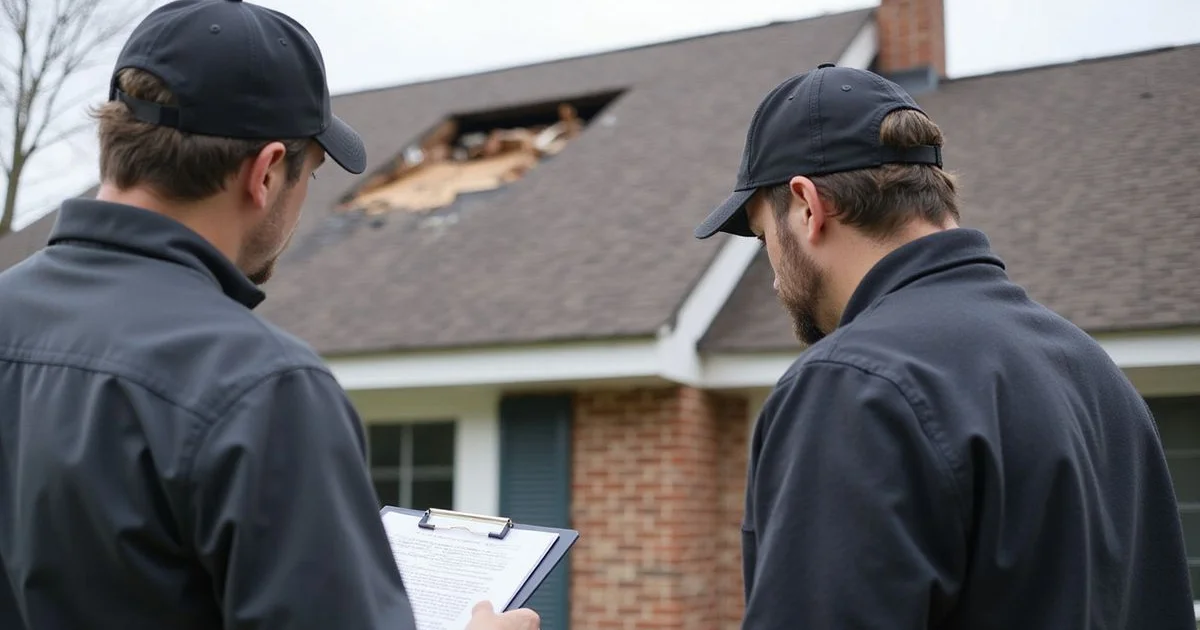
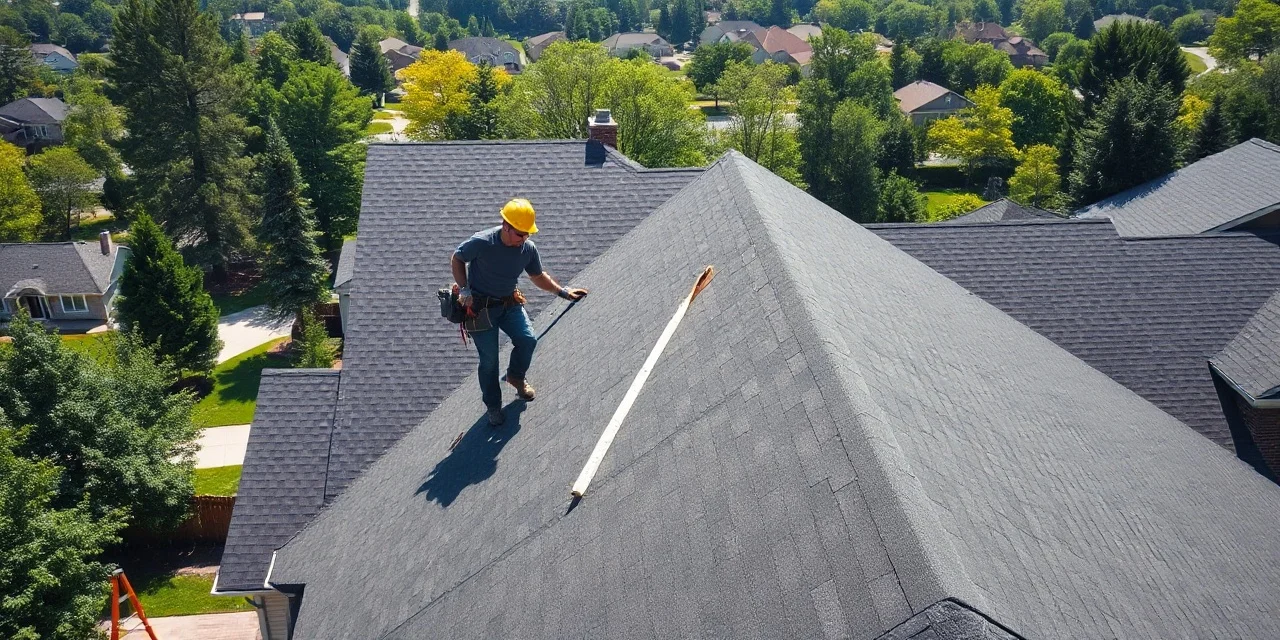
Question 4: Will you physically walk the roof and inspect the attic? Ask this before they start. A contractor who quotes from the driveway or from a satellite measurement tool without walking the roof is guessing at your scope. Deck condition, existing ventilation, and flashing failures are only visible from on top and from inside the attic. If they skip these, the quote will change after tear-off.
Question 5: What specific underlayment and ice and water shield will you use? A vague answer ("standard underlayment") is a red flag. Ohio jobs should specify synthetic underlayment by name and ice and water shield at all eaves, valleys, and penetrations. If they cannot tell you the specific product, they are either not sure what their crew will install or they are planning to substitute the cheapest available option.
Question 6: Who will actually do the work — your employees or subcontractors? Many roofing companies sign jobs and then hand them to subcontracted crews they have never worked with before. The company you are vetting may have great reviews, but if a sub does your job, their quality control does not apply. If they use subs, ask how the sub is selected, whether they are vetted for insurance, and whether a company employee will be on-site during the job.
Question 7: What is your workmanship warranty, and what does it cover? Manufacturer warranties cover materials. Workmanship warranties cover installation. Many Ohio contractors offer 1 to 2 year workmanship warranties. Better contractors offer 5 to 10 years. Get the warranty terms in writing: what is included, what voids it, and who you call if something fails. Ask if the warranty is transferable to a new owner if you sell the home.
Question 8: Will you pull the permit? Roofing permits are required by most Ohio municipalities and protect you legally — a permitted job has an inspection record that proves code compliance. A contractor who suggests skipping the permit to save money is telling you they either cannot pull permits (not registered with the local building department) or they do not want inspections on their work.
What to Check Before Signing
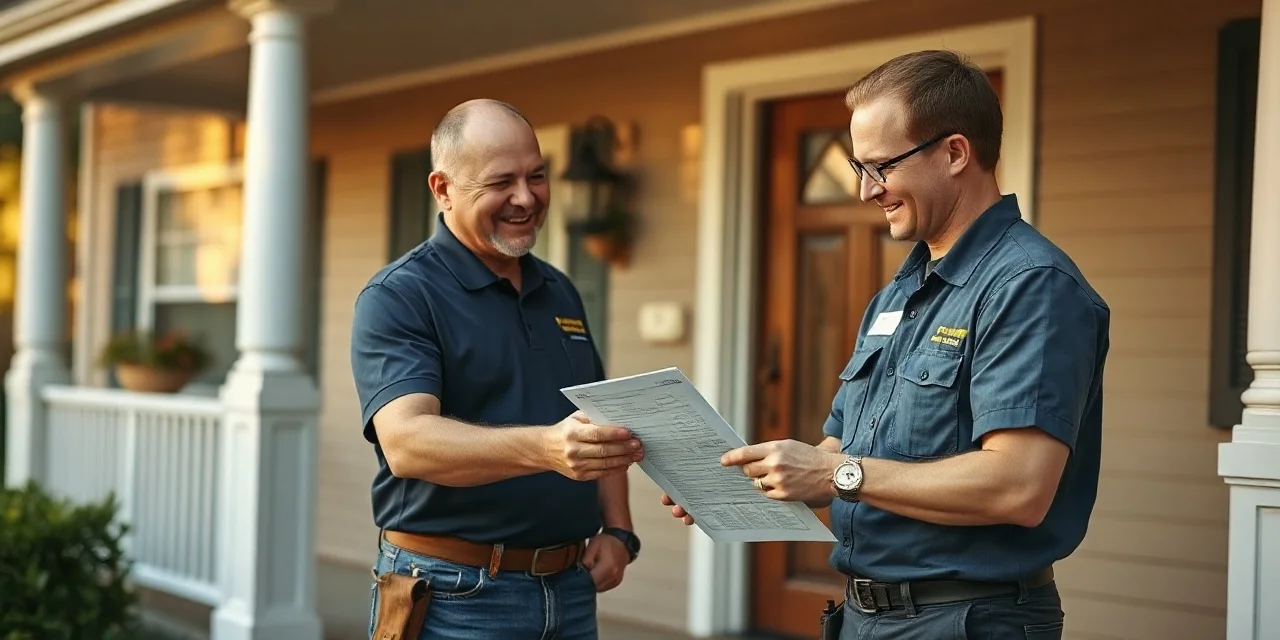
Question 9: Is the contract a line-item scope or a single lump sum? A legitimate contract specifies: tear-off layers included, disposal method, underlayment brand, ice and water shield coverage, drip edge material, shingle brand and product line, ridge cap type, flashing scope, pipe boot replacements, and cleanup. A one-number contract gives you no way to verify what was promised and no recourse when materials are substituted.
Question 10: What is your payment schedule? Standard Ohio practice is a deposit (10 to 30 percent), with the balance due at completion. Any contractor asking for 50 percent or more upfront is outside the norm. Full payment before the job starts is a hard no — it removes their motivation to finish and leaves you no leverage if there are problems.
Question 11: What is your start date and completion window? Not "a few weeks" — an actual date range. Reputable contractors are booked out but honest about it. Storm season creates backlogs; that is real. What is not acceptable is a contract with no start date and no completion timeframe, which is how jobs get deprioritized indefinitely while your failing roof sits.
Question 12: Do you require me to sign an Assignment of Benefits? An Assignment of Benefits (AOB) transfers your insurance claim rights to the contractor. It is not required for any legitimate job. If they present one, decline. Walk away if they insist. AOB fraud is one of the primary mechanisms behind storm chaser schemes in Ohio — contractors inflate supplements, dispute settlements with your insurer, and you lose control of your own claim.
Red Flags vs. Green Flags
Interactive 12-Point Vetting Checklist
Use this as a quick scorecard while you are collecting quotes. Check each item off as you confirm it with each contractor.
The Ohio Storm Chaser Warning
Ohio's spring and summer storm seasons bring hail and wind events that trigger an influx of out-of-state roofing contractors every year. These storm chasers follow active damage events, canvas affected neighborhoods door-to-door, and pitch a "we'll work with your insurance" approach that sounds appealing but carries real risk.
The problems are predictable. Storm chasers are typically gone within one or two seasons. Workmanship warranties from a company with no local presence are worthless. Installation quality is often below Ohio building code — rush crews prioritizing volume over craftsmanship. The AOB requirement is common among this group because it lets them control the insurance claim and inflate supplements without homeowner oversight.
After any significant weather event in Fairfield County, ask a neighbor for a referral or consult the contractor directory before calling back anyone who knocked on your door. For detailed guidance on storm damage and insurance claims, see that service page directly.
Frequently Asked Questions
Does Ohio require roofing contractors to be licensed?
Ohio does not issue a statewide roofing contractor license. Most Ohio municipalities and counties — including Fairfield County — require a local contractor registration or permit-pulling authorization. Verify with your local building department. Always ask for a certificate of insurance listing general liability (minimum $1 million) and workers compensation regardless of licensing status. If a worker is injured on your property without workers comp coverage, you can bear that liability.
What is an Assignment of Benefits (AOB), and should I sign one?
An Assignment of Benefits transfers your insurance claim rights directly to the contractor. Once signed, they deal directly with your insurer and you lose control of the negotiation. Ohio does not ban AOBs, but they are heavily associated with storm chaser fraud and inflated claim supplements. Do not sign one. A legitimate contractor can work your insurance job without requiring an AOB.
What should a roofing contract include in Ohio?
A complete Ohio roofing contract includes the contractor's legal name, address, and registration number; a line-item scope covering tear-off, underlayment, ice and water shield, drip edge, shingle brand and model, ridge cap, flashing work, and pipe boots; total price and payment schedule; start date and completion window; manufacturer and workmanship warranties; cleanup details; and who holds permit responsibility. Missing any of these is a reason to ask before signing.
Work with a Verified Local Ohio Contractor
Fairfield Peak connects homeowners with screened, insured, local roofing contractors who operate with written scopes and no AOB requirements.