Contact
maintenance

How Ohio's Summer Heat and Humidity Damage Your Roof Faster

Fairfield Peak Roofing Team · · 7 min read
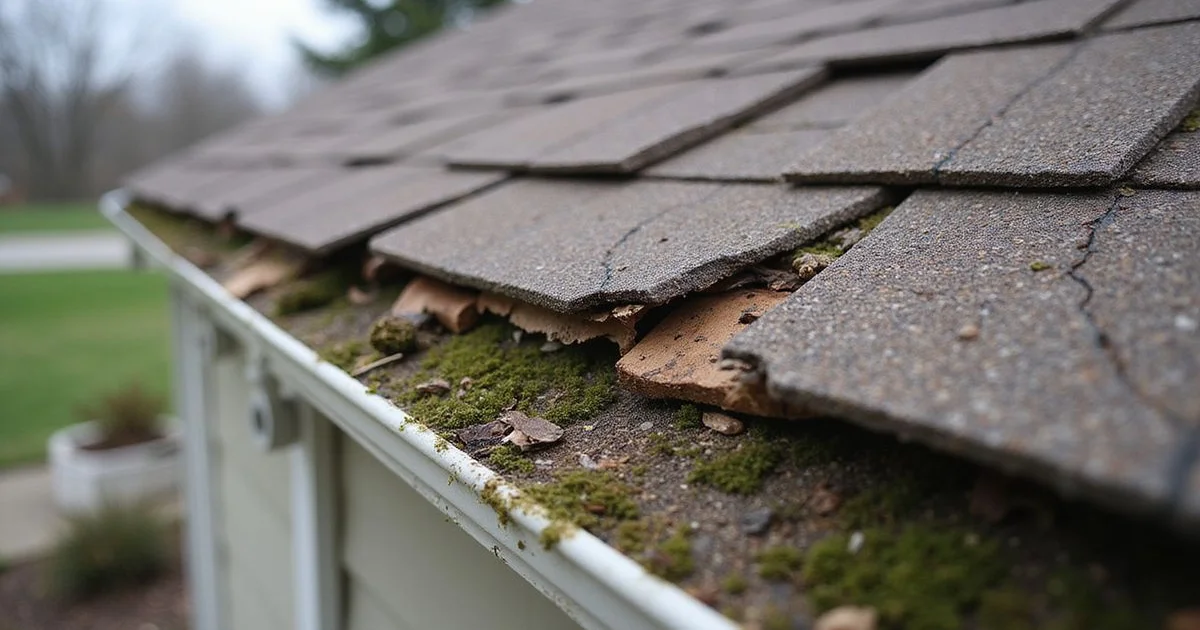
Ohio roof showing summer heat and UV damage to asphalt shingles

Most Ohio homeowners think about their roof in winter — when ice dams form and snow loads build up. But the damage that shortens a roof's life by 5 years often happens in July. The combination of 160°F surface temperatures, 80% humidity, and daily thermal cycling is a sustained assault on shingles that most people never think about until they start losing granules.

This guide walks through exactly how Ohio's summer heat and humidity attack your roof, what warning signs to look for in late summer, and what you can do right now to slow the damage before winter arrives.

Why Summer Is Ohio Roofing's Underrated Threat

Winter gets all the attention. Ice dams, snow loads, freeze-thaw cycles — these are dramatic, visible failures that homeowners can't ignore. When ice backs up under shingles and water drips through the ceiling in February, the cause-and-effect relationship is obvious. You call a roofer.

Summer damage doesn't work that way. UV radiation quietly breaks down asphalt binders over hundreds of hours of direct exposure. Thermal cycling — roofs heating to 160°F by afternoon and cooling overnight — stresses seal strips and flashings through thousands of micro-expansions and contractions across a single season. Humidity feeds algae colonies that quietly lift granules and hold moisture against the shingle surface. None of this is visible from the ground. None of it triggers an emergency call. And by the time the symptoms become obvious — widespread granule loss, blistering, cupping shingles — the roof has already lost years of its service life.

The irony is that summer is the season when most Ohio homeowners are least focused on their roof. Kids are out of school, vacations are scheduled, and no one is thinking about what's happening up on the shingles on a 92°F afternoon in August. That inattention is exactly what accelerates the damage.

Understanding the specific mechanisms — UV, thermal cycling, attic heat, and humidity — is the first step to protecting your investment before the damage compounds into a replacement that's years too early.

UV Degradation: How Sunlight Breaks Down Asphalt Shingles

Asphalt shingles are, at their core, an oil-based product. The waterproofing and flexibility of an asphalt shingle depends on the integrity of its binder — the petroleum-derived asphalt matrix that holds the fiberglass mat together and gives the shingle its dimensional stability. UV radiation attacks that binder directly.

Ultraviolet-A and ultraviolet-B wavelengths break the molecular bonds in the asphalt through a process called photo-oxidation. Over time, this drives off the volatile oils that keep asphalt flexible. The result is a shingle that becomes increasingly brittle, loses its ability to expand and contract without cracking, and begins shedding its protective granule layer.

The granules on top of the shingle are not decorative — they are the shingle's primary UV shield. Ceramic-coated mineral granules reflect and absorb UV rays before they can reach the asphalt below. As long as the granule layer is intact, the asphalt binder is protected. But once granule loss begins, the exposed asphalt degrades dramatically faster. The cycle accelerates: UV damage causes granule loss, granule loss causes more UV damage, and a shingle that might have lasted another decade can fail within two or three years.

Southern and southwestern exposures bear the most direct sunlight load in Ohio. On a typical summer day, south-facing roof planes receive significantly more UV exposure than north-facing ones. Industry data consistently shows that south-facing shingles wear 20% to 30% faster than shingles on the same roof with northern exposure. If your roof has noticeable color differences between slopes — the south side looks lighter or more faded — that is not a cosmetic issue. It is UV degradation.

The practical implication is that your roof does not age uniformly. A 15-year-old roof in Lancaster may have south-facing shingles that are functionally at end-of-life while north-facing shingles are still serviceable. A thorough inspection needs to account for this asymmetry.

Thermal Cycling: The Daily Expansion and Contraction Damage

Ohio summer days routinely produce roof surface temperatures of 150°F to 180°F by mid-afternoon. By early morning, that same surface may be 60°F or lower. That is a temperature swing of 90°F to 120°F within a single 24-hour cycle — and it happens day after day, week after week, across an entire season.

Roofing materials expand when they heat and contract when they cool. Asphalt shingles move approximately 2 to 3 inches per 10 feet of length across a full temperature cycle. This sounds insignificant, but multiply it by dozens of daily cycles across an entire summer, and the mechanical stress is substantial. The adhesive seal strips that bond shingles to each other — the primary defense against wind uplift — flex with every cycle. Over time, that flexing degrades the adhesive bond. Seal strips that were factory-fresh at installation begin to crack, harden, and separate.

The same thermal stress affects nail holes. As shingles expand and contract, the fiberglass mat around each nail fastener experiences repeated micro-tearing. Nail holes that were properly snug at installation gradually widen. In extreme cases, shingles can pull over the nail head entirely during wind events, a failure mode that dramatically increases vulnerability to storm damage.

Flashing — the metal transitions at chimneys, valleys, skylights, and vents — is equally vulnerable. Metal flashing expands and contracts at different rates than the surrounding roofing material. In a poorly installed or aging system, the daily thermal cycling gradually works the flashing away from the sealant beads and caulk that keep those joints watertight. What began as a sealed transition becomes a hairline gap, then an active leak point during the first heavy rain of fall.

Compared to freeze-thaw damage, thermal cycling is less dramatic but more relentless. A freeze-thaw cycle in Ohio might happen 30 to 40 times per winter. A full thermal cycle happens every single day from May through September — that is more than 150 cycles per summer. The cumulative mechanical fatigue is significant, and unlike freeze-thaw damage, it produces no dramatic visual evidence until a component has already failed.

Attic Heat Buildup: Baking Shingles from the Inside Out

Here is a damage mechanism that most homeowners never consider: your shingles are being attacked from both sides simultaneously. While UV radiation and thermal cycling work from the top, a poorly ventilated attic creates a heat trap directly below the roof deck that bakes the shingles from underneath.

An attic without adequate ventilation can reach 150°F to 160°F on a hot Ohio summer day. That superheated air has nowhere to go. It presses against the underside of the roof deck, raises the temperature of the OSB or plywood, and conducts heat upward into the shingles. The shingles are now cooking from below at the same time they are absorbing solar radiation from above. This accelerated thermal loading shortens shingle life by an estimated 3 to 5 years compared to a properly ventilated system.

The specific failure mode is blistering. When asphalt shingles are exposed to extreme heat from below, volatile compounds trapped within the asphalt matrix vaporize and create small bubbles or blisters on the shingle surface. These blisters rupture the granule layer when they pop, creating bare spots that then become UV entry points. Blistering is one of the most direct indicators of attic ventilation failure.

There is also a warranty implication. Most major shingle manufacturers — Owens Corning, GAF, CertainTeed — include attic ventilation requirements in their product warranties. The standard requirement is 1 square foot of free vent area per 150 square feet of attic floor space (the 1:150 ratio), with a balanced split between intake at the soffits and exhaust at the ridge. If your attic does not meet this specification and you experience heat-related shingle damage, the manufacturer can and will deny your warranty claim.

At Fairfield Peak Roofing, we verify ventilation specifications as part of every installation and inspection. If your attic is under-ventilated, the fix is often less expensive than homeowners expect — and the payback in extended shingle life is substantial. For a deeper look at ventilation failures and solutions, read our guide on roof ventilation problems Ohio homeowners are ignoring.

Ohio Humidity: Algae, Moisture, and Attic Condensation

Ohio ranks among the most humid states in the Midwest during summer. Relative humidity in Lancaster and Fairfield County averages 70% to 80% in July and August. That sustained moisture creates two distinct sets of roofing problems — one on the surface and one inside the attic.

On the shingle surface, high humidity combined with Ohio's warm temperatures creates ideal conditions for Gloeocapsa magma, the blue-green algae responsible for the dark black streaks you see running down shingle faces across the region. This algae is not merely unsightly. As the organism grows, its dark pigment increases heat absorption on the shingle surface, raising temperatures and accelerating UV degradation. More critically, algae colonies retain moisture against the shingle surface, and that persistent moisture accelerates granule detachment. Left untreated, algae growth can meaningfully shorten shingle life and is often the first visible sign of a larger maintenance problem.

Moss is the more advanced version of the same problem. Where algae discolors shingles, moss physically lifts them. Moss root structures work their way under shingle edges and prop them up, allowing water and debris to accumulate in the gap. In Ohio, moss growth typically appears on north-facing slopes and shaded roof sections — areas that stay damp longer and receive less UV kill.

Inside the attic, Ohio's summer humidity creates a second threat: condensation on the underside of the roof deck. When warm, humid outdoor air enters an inadequately ventilated attic and contacts the cooler wood surfaces of the roof deck, moisture condenses. Over weeks and months, this condensation saturates the OSB or plywood, leading to delamination, wood rot, and mold growth. Wet insulation loses its thermal resistance almost immediately, compounding the energy efficiency problem. This damage is entirely invisible from outside the home until it is advanced — and by then, the repair involves not just shingles but structural wood replacement.

Downspout and drainage management also interacts with humidity damage. Water that pools against the foundation or splashes back up against fascia boards keeps those surfaces perpetually damp, feeding the same moisture problems from the perimeter inward. For context on how gutter failures feed into broader moisture damage, see our guide on gutter problems that damage your roof.

6 Signs of Summer Heat Damage to Look for in September

The ideal time to assess summer damage is late August through September, before the first hard freeze locks in any problems. Here is what to look for from the ground and from inside the attic.

SignWhat It MeansAction Required
Black algae streaksAlgae growth, moisture retention on surfaceClean and treat, or plan replacement if shingles are aged
Shingle blistering or bubblingTrapped moisture volatiles from attic heatInspect attic ventilation immediately
Widespread granule lossAdvanced UV degradation of asphalt binderReplacement timeline needed; schedule full inspection
Lifted seal stripsThermal cycling and heat degraded adhesive bondWind vulnerability; inspect before fall storm season
Cupped or curling shinglesAttic heat damage causing differential shrinkageVentilation upgrade and full inspection
Cracked ridge capThermal expansion failure at roof peakRepair or replace immediately before winter

When you are in the attic, bring a flashlight and look for dark water staining on the underside of the roof deck, soft spots in the OSB that indicate moisture saturation, or visible daylight through the decking. Any of these findings requires professional attention before the first winter precipitation event.

Cool Roofing Options for Ohio Homes: What Actually Works

If your roof is approaching replacement age, the material choices you make now directly determine how your next roof handles Ohio summers. Several options meaningfully reduce heat absorption and the thermal cycling damage that follows.

Light-colored or "cool" asphalt shingles are the most accessible entry point. Lighter shingles run 20°F to 40°F cooler in direct sunlight compared to dark shingles, reducing both surface temperature and attic heat gain. Many manufacturers now offer Energy Star-rated shingles that meet reflectance and emittance standards. The cost premium over standard shingles is modest, and the performance difference on a south-facing Ohio roof is measurable.

Cool roof coatings are primarily applicable to flat or low-slope commercial and residential roofs. White elastomeric coatings applied over existing flat roofing can reduce surface temperatures by 50°F or more and extend the life of the underlying membrane. For Ohio homeowners with flat sections — porch roofs, additions, commercial buildings — this is a cost-effective option worth evaluating.

Standing seam metal roofing offers the most significant thermal performance advantage among premium roofing materials. Metal's high emissivity allows it to shed heat rapidly once direct sunlight ends, meaning metal roofs spend far less time at extreme temperatures than asphalt. Standing seam systems also allow thermal movement through concealed clips rather than through the fastener holes, eliminating the nail-hole enlargement problem entirely. For Ohio homeowners planning a long-term roof investment, the combination of 40–50 year service life and superior heat management makes metal a compelling option. Explore our metal roofing and standing seam metal roofing pages for details on materials, profiles, and pricing.

On the tax incentive side, the Inflation Reduction Act includes provisions for energy-efficient home improvements that may apply to cool roof upgrades. Eligibility depends on the specific product and installation, so consult with your tax advisor — but the credit potential is worth factoring into replacement decisions.

The Single Most Effective Defense: Proper Attic Ventilation

If there is one upgrade that delivers more value per dollar than any other for Ohio roofs in summer, it is a properly designed attic ventilation system. Adequate ventilation addresses attic heat buildup, humidity condensation, and blistering simultaneously — and it does so passively, without any operating cost.

The standard for balanced ventilation is the 1:150 ratio: one square foot of free net ventilation area for every 150 square feet of attic floor space. This total must be split between intake and exhaust to create airflow — roughly half at the soffit (intake) and half at the ridge (exhaust). A system that has only ridge vents with no soffit intake, or only gable vents on one end, does not create the air movement needed to actually flush heat from the attic. It is a common installation shortcut that leaves homeowners with a nominally ventilated attic that still reaches 150°F on a hot day.

A properly balanced system — continuous ridge vent paired with continuous soffit vent — creates a convective current that draws cool air in at the eaves and exhausts hot air at the peak continuously throughout the day. Attic temperatures in a well-ventilated system stay within 10°F to 20°F of ambient outdoor temperature rather than exceeding it by 60°F or 70°F. That difference translates directly into shingle longevity — industry estimates consistently put the life extension benefit of proper ventilation at 3 to 5 years on a standard asphalt shingle roof.

Ventilation upgrades are straightforward to retrofit and are almost always worth doing at the time of any roofing project. For a full breakdown of the most common ventilation failures and how to identify them, see our detailed guide on roof ventilation problems Ohio homeowners are ignoring.

Why Late Summer Is the Right Time for a Roof Inspection in Ohio

Most roofing inspections in Ohio get scheduled in spring, triggered by winter damage. That is logical — ice dam damage is obvious, and spring is the right time to document it. But the equally important second inspection window — late summer — is widely overlooked.

August and September represent the optimal moment to assess what Ohio's summer has done to your roof, for three specific reasons.

First, summer damage is fully accumulated but not yet compounded by winter. Granule loss, blistering, seal strip degradation, and algae growth are all at their post-summer peak. An inspection now gives you an accurate picture of the roof's current condition before cold temperatures make repairs more difficult and expensive.

Second, the late summer window is the last practical opportunity to complete repairs before the freeze cycle begins. Any open vulnerability — lifted flashing, failed seal strips, cracked ridge caps — that survives into October will be subjected to Ohio's freeze-thaw cycles through the winter. What is a straightforward repair in September may become water damage, wood rot, or interior leak remediation by March.

Third, if your roof has sustained storm damage over the summer, late summer is the window to document it for an insurance claim. Most Ohio homeowners insurance policies impose a 12-month deadline for filing storm damage claims. A September inspection catches summer hail and wind damage while you still have time to file, and before winter weather events complicate the claim with additional damage layered on top.

If your roof is more than 10 years old, or if your attic is showing any of the signs described above, an August or September inspection is not optional — it is the most cost-effective investment you can make in your roof's longevity. Contact Fairfield Peak Roofing to schedule your late summer assessment.

What to Do This Summer to Protect Your Roof

You do not need to wait for visible damage to take protective action. Here is a practical three-step plan that Ohio homeowners can execute right now.

Step 1: Inspect in August. Get eyes on your roof — binoculars from the ground, plus a quick attic check with a flashlight. Look for algae streaks, blistering, granule accumulation in gutters and downspouts, and any signs of moisture on the attic deck. If you see anything concerning, schedule a professional inspection before the end of September. The inspection itself is low-cost or free with most reputable contractors; the value is in identifying problems while repair options are still affordable.

Step 2: Address ventilation. If your attic is noticeably hotter than the outdoor temperature, or if your energy bills spike significantly in summer, your ventilation system is likely undersized or unbalanced. Ask your contractor to calculate your required ventilation area and compare it to what you have installed. Adding or upgrading intake and exhaust ventilation is typically a one-day project with a measurable return on investment in shingle longevity and energy costs.

Step 3: Schedule repairs before September. Any repair identified in August — reflashing a chimney, re-sealing lifted strips, replacing cracked ridge cap, treating algae growth — should be completed before the first frost. Leaving even minor vulnerabilities open through an Ohio winter converts small repairs into larger remediation projects. The cost difference between a $300 flashing repair in September and a $2,500 interior water damage remediation in February is not hypothetical — it is the pattern we see repeatedly across Fairfield County.

If you have questions about your specific roof's condition or want to book an inspection, reach out to us directly. We serve Lancaster, Newark, Pickerington, and the surrounding Fairfield County area, and we are glad to give you an honest assessment of what your roof needs — nothing more and nothing less.

summer roof damage heat damage Ohio roofing roof maintenance

Need Help with Your Roof?

Get an inspection and estimate from Lancaster's most trusted roofing team.