Ohio's Shingle Matching Rule: What Insurers Owe After Partial Damage
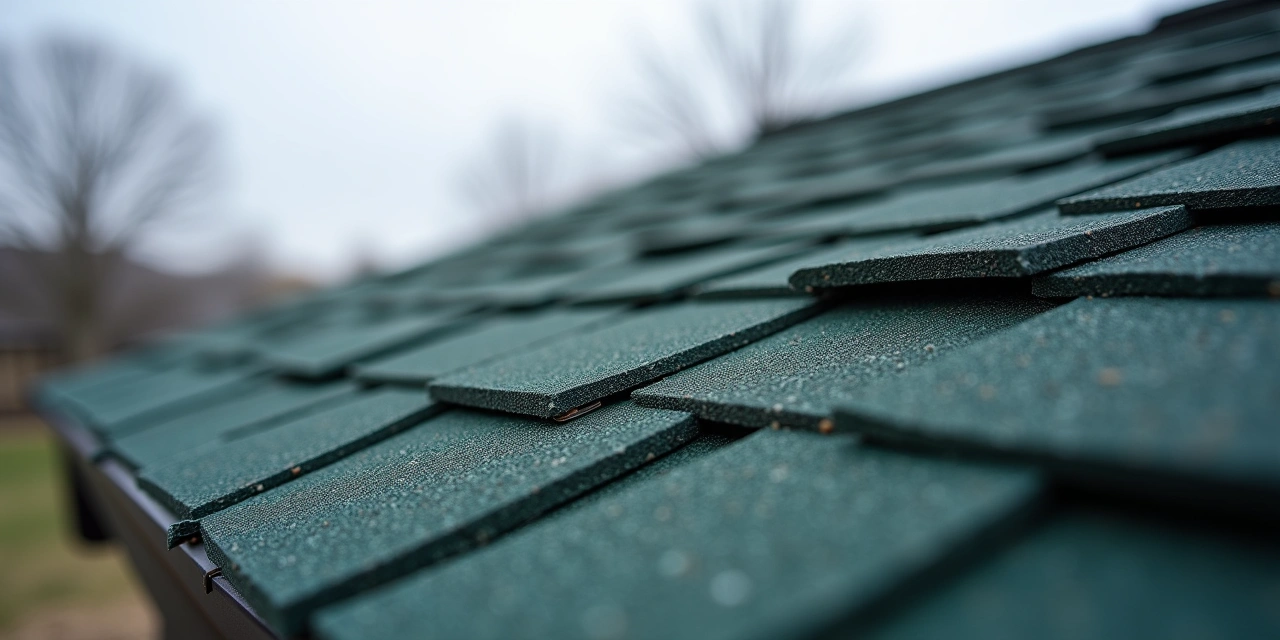
Ohio has a real matching rule for insurance claims. It lives in Ohio Administrative Code 3901-1-54, not in a headline-grabbing statute.
Insurers there must produce a "reasonably comparable appearance," not a flawless one. That gap is where most shingle-matching fights happen.
One hailstorm hits the north slope of a roof. The insurer offers to replace that slope only.
The shingle is discontinued. The new course looks nothing like the rest of the roof.
Ohio's Rule Is Regulatory, Not a Standalone Statute
Some states pass a dedicated "matching law" through their legislature. Ohio did not.
Its matching rule sits inside a broader claims practices rule from the Ohio Department of Insurance. The rule governs property claims generally. One subsection covers mismatched replacements.
That distinction matters less than it sounds. The rule still binds every insurer licensed in Ohio, the same as a statute would.
What "Reasonably Comparable" Actually Means
The phrase is deliberately elastic. It does not say identical. It does not say indistinguishable up close.
It asks whether the finished roof looks reasonably uniform from a normal vantage point. That is how a neighbor or buyer would see it. Adjusters routinely disagree on where that line falls.
Why Discontinued Shingles Force the Issue
A single damaged slope rarely triggers a dispute when the shingle is still in production. The contractor orders more. The roof matches.
Discontinuation changes everything. Shingle manufacturers rotate colorways every few years. A roof installed a decade ago may use a line that no longer exists.
Once that product is gone, replacing only the damaged slope cannot meet the reasonably comparable standard. Something has to give.
What Homeowners Can Actually Demand
Start with documentation, not confrontation. Photograph the damaged and undamaged slopes together, in the same light. Show the color difference plainly.
Ask the adjuster in writing whether the replacement shingle is a confirmed match. Get a straight answer, not a shrug.
If the insurer cannot confirm a match, cite OAC 3901-1-54(I)(1)(b) in your written claim correspondence. Insurers respond differently once a specific rule is on the record.
When the Adjuster Still Says No
A denial on matching does not end the claim. Ohio homeowners retain the same escalation paths available on any denied roof claim.
The appraisal clause in most homeowners policies lets either side demand an independent appraisal. That covers matching costs in dispute. It does not require a lawsuit.
Filing a complaint with the Ohio Department of Insurance is a separate, free option. It will not resolve the claim directly. A documented complaint pattern still affects how an insurer gets scrutinized.
| Scenario | Insurer's Common First Offer | What the Rule Actually Supports |
|---|---|---|
| Shingle still in production, color matches | Replace damaged slope only | Damaged slope only. No matching issue exists. |
| Shingle discontinued, close color substitute available | Replace damaged slope with closest available shingle | Reasonably comparable appearance test applies. A visible seam can still fail the standard. |
| Shingle discontinued, no close substitute, damage on one slope | Replace damaged slope, homeowner absorbs the mismatch | Insurer may need to extend replacement to adjoining slopes to reach a uniform look. |
| Whole-roof color no longer manufactured at all | Cash-out at actual cash value for one slope | Strongest case for full roof replacement under the matching standard. |
Each row shows how the matching standard tends to apply as mismatch severity increases. It is not a guaranteed outcome. Every claim turns on its own facts and, if needed, an appraisal clause demand.
This Sits on Top of Your Existing Claim Rights
Matching is one piece of a larger claims process. It does not replace the basics of documenting a loss or understanding your payout structure.
Some policies pay actual cash value, not replacement cost value. Matching disputes can then stack with depreciation holdbacks. Your check can shrink twice over.
See our full Ohio roof insurance claim guide for the basics. Already rejected? Read what to do when your claim gets denied.
Next Move
Before you sign a partial-replacement estimate, get a written statement on the shingle match.
Keep that statement with your claim file. A "no" answer often turns a second look into an approved full slope, or full roof, replacement.
Get a Written Matching Assessment: 877-367-1885
Related articles:
Your Roof Claim Check Has Your Mortgage Company's Name on It
How to File a Roof Insurance Claim in Ohio
What to Do When Your Ohio Roof Insurance Claim Is Denied
File a Roof Claim in Ohio, and Your Insurer Can Drop You in 30 Days
Sources:
Ohio Administrative Code 3901-1-54: codes.ohio.gov
Merlin Law Group, "Matching Regulations Affecting Homeowners' Insurance Claims": mwl-law.com
IRMI, "Matching Problem in Property Insurance Claims": irmi.com