The average Ohio hail claim pays out $8,000–$20,000 according to Insurance Institute data. That's real money — and a lot of it gets left on the table because homeowners don't know how the claims process works, accept the first settlement offer without question, or miss documentation steps that weaken their position. This guide walks through every stage of an Ohio roof insurance claim, from opening the file to disputing a low settlement, with no sales pitch attached.
Does Homeowners Insurance Cover Roof Replacement in Ohio?
Yes, if the cause of damage qualifies under your policy. Standard Ohio homeowner policies cover roof damage from wind, hail damage, fire, and falling objects. These are "covered perils." If a storm damages your roof, you generally have a valid claim.
What policies don't cover: age-related deterioration, normal wear and tear, moss and algae buildup, improper installation, and manufacturer defects. If your roof is simply old and failing, insurance won't pay to replace it. Wondering how often claims are denied? We checked what the public data shows.
Two other coverage issues to know about:
Cosmetic damage exclusions. Some Ohio insurers have added exclusions for cosmetic damage from hail — meaning if hail dented your shingles but didn't affect function, they may not pay. Read your policy declarations page carefully.
Roof age limits. Some policies won't cover roofs over a certain age at all, or they automatically switch to ACV coverage after a threshold (often 10–15 years). If your roof is older, your coverage may be significantly reduced from what you expect.
For a broader look at what Ohio policies cover, see our guide to homeowners insurance and roof leak coverage.
If only part of your roof is damaged and the insurer offers to replace just that slope, a separate Ohio rule on shingle matching can affect how much they actually owe. See our breakdown of Ohio's shingle matching regulation for what to document.
What Is the Difference Between RCV and ACV Coverage?
This is the single most important thing to understand before filing a claim. The difference between RCV and ACV can mean thousands of dollars out of your pocket.
RCV (Replacement Cost Value) pays to replace your roof with a new one of like kind and quality, minus your deductible. If your roof costs $16,000 to replace and you have a $2,000 deductible, RCV pays $14,000. That's the full current cost.
ACV (Actual Cash Value) applies depreciation based on the roof's age and expected lifespan. A 20-year-old asphalt shingle roof rated for 25 years has depreciated 80% of its useful life. On an ACV policy, you might receive 20% of replacement cost — so that same $16,000 roof yields a payout of roughly $3,200 minus your deductible. You're mostly paying out of pocket even with insurance coverage.
Ohio insurers have been shifting more policies toward ACV for roofs over the past several years, particularly for homes with older roofs at renewal. Many homeowners don't discover this until they file a claim.
Call your agent right now and ask: "Do I have RCV or ACV coverage on my roof?" If the answer is ACV, ask what it would cost to upgrade. The premium difference is often modest compared to the claim difference.
What Is the Step-by-Step Process for Filing a Roof Claim in Ohio?
Here is the sequence that gets the best results.
Step 1: Document damage immediately. Date-stamp photos of every damage point — missing shingles, dents on gutters and flashing, granule accumulation, interior stains. Photograph the yard and any damaged vehicles or structures to establish storm severity. Save NOAA storm reports and local news links for the specific date.
Step 2: Open the claim right away. Call your insurer or file online. You only need to report the date and nature of damage. Opening the claim establishes your place in the queue and starts the clock on their response obligations. Most Ohio policies require you to notify the insurer "promptly" — don't wait weeks.
Step 3: Get a contractor inspection before the adjuster arrives. A written inspection report from a licensed contractor gives you an independent damage assessment. This is your benchmark. When the adjuster's estimate comes in, you'll have something to compare it against. The adjuster works for the insurer — your contractor's report represents your interests.
Step 4: The adjuster visit. Be present if possible. Walk the roof with the adjuster or have your contractor present. Point out every damage item that appeared in your documentation. Adjusters handle many claims quickly and may miss items — your job is to make sure nothing gets overlooked.
Step 5: Review the Xactimate estimate. The insurer will send an itemized estimate using Xactimate software. Review it line by line against your contractor's estimate. Look for missing line items, lower unit counts, or missing scope (such as ice dam protection, step flashing replacement, or pipe boot replacement).
Step 6: Negotiate or escalate if needed. If the settlement is short, you have options. See the section below on low settlements.
Step 7: Receive payment and schedule repairs. Most insurers issue an initial payment (ACV minus deductible) and hold back a depreciation amount until repairs are complete. Once the job is done, submit the final contractor invoice to receive the recoverable depreciation if you have RCV coverage.
How Do Insurance Adjusters Assess Roof Damage in Ohio?
Ohio insurance adjusters follow a structured inspection protocol, but the depth of that inspection varies significantly by adjuster and claim volume. After a major storm event, adjusters are handling dozens of claims per week and spending 20–40 minutes on each roof inspection.
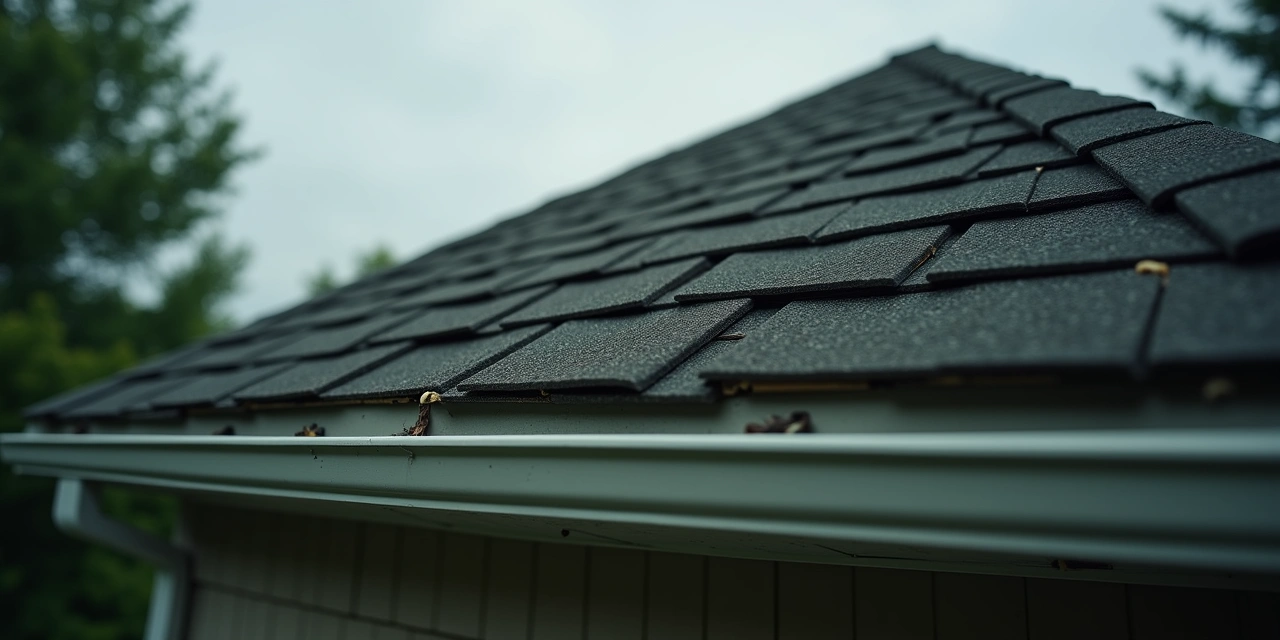
What they're looking for on hail damage claims: circular bruise marks on shingles where granules have been dislodged, dents on soft metal surfaces (gutters, flashing, pipe boots, ridge cap), and hail hits per 10-square-foot test area. Most insurers require a minimum hit density — often 6–8 hits per 10 sq ft — to approve a full replacement versus repair.
What gets missed: damage under ridge cap that requires removal to see, step flashing and chimney flashing damage, underlayment punctures that aren't visible from the surface, and damage on lower-visibility roof sections. Having your contractor on-site during the adjuster visit reduces the likelihood of these items being missed.
Xactimate pricing also lags market reality. The software updates its regional price database periodically, but in 2026, after significant tariff-driven increases in material and labor costs, Xactimate figures frequently run below actual contractor quotes. A gap between the Xactimate estimate and your contractor's bid is not unusual and doesn't mean your contractor is overcharging — it may mean the software hasn't caught up with the current market.
What Do You Do If the Insurance Settlement Is Too Low?
A low settlement offer is not the final word. You have three main options, in escalating order of effort.
Option 1: Request a re-inspection. Call your insurer and request a second adjuster visit, this time with your contractor present. Provide the written contractor estimate as a comparison. Many underpayments result from missed items and are correctable at this stage without escalation.
Option 2: Hire a public adjuster. Public adjusters work for the homeowner, not the insurer. They review the claim, inspect the damage independently, and negotiate with the insurer on your behalf. Public adjusters typically charge 10–15% of the final settlement amount. On a $15,000 claim that gets adjusted upward to $20,000, their fee on the increase is $500–$750. Many homeowners find the net gain worthwhile on larger claims.
Ohio sets no legal cap on that fee. See our full breakdown of what a public adjuster actually costs in Ohio. It covers the real math and how to verify a license.
Curious how long each stage actually takes? See our real claim timeline, with the deadline behind every step.
Option 3: Invoke the appraisal clause. Most Ohio homeowner policies include an appraisal clause that provides a formal dispute resolution process. Each party selects a licensed appraiser. The two appraisers then select a neutral umpire. The umpire's decision is binding. This process takes longer but resolves most disputes without litigation and often at a higher number than the insurer's initial estimate.
These options apply when your insurer agrees the damage is covered but disputes the payout. If they denied the claim outright instead, the appraisal clause won't help.
A related fight comes up when the insurer agrees to pay but only for the damaged slope, and the shingle no longer matches. See our breakdown of Ohio's shingle matching rule and what it requires insurers to pay.
See our guide to what to do when your Ohio roof claim is denied. It covers the actual regulation that governs that fight.
One thing to avoid: signing an assignment of benefits (AOB) that transfers your claim rights to a contractor before you understand what you're signing. AOB arrangements have legitimate uses but are also frequently misused by contractors who inflate claims or take fees that should have gone to you.
What Are the Most Common Ohio Roof Claim Mistakes?
These are the errors that cost homeowners the most.
Waiting too long to file. Ohio policies typically allow one year from the storm date. That sounds like plenty of time until it isn't. File immediately, even if you're still documenting. You can add documentation after the claim is open.
Not knowing your deductible type. Ohio percentage deductibles for wind and hail run 1–3% of insured value. On a $250,000 home with a 2% deductible, that's $5,000 out of pocket. Many homeowners learn this for the first time when the settlement check arrives $5,000 short of what they expected.
Accepting the first settlement without review. The first Xactimate estimate from an insurer is frequently incomplete. Missing line items are common. Reviewing it against a contractor estimate is not aggressive — it's necessary.
Signing with a contractor who offers to waive your deductible. This is insurance fraud in Ohio. Any contractor offering to absorb or waive your deductible as a sales tactic is exposing you and themselves to legal liability. Don't do it.
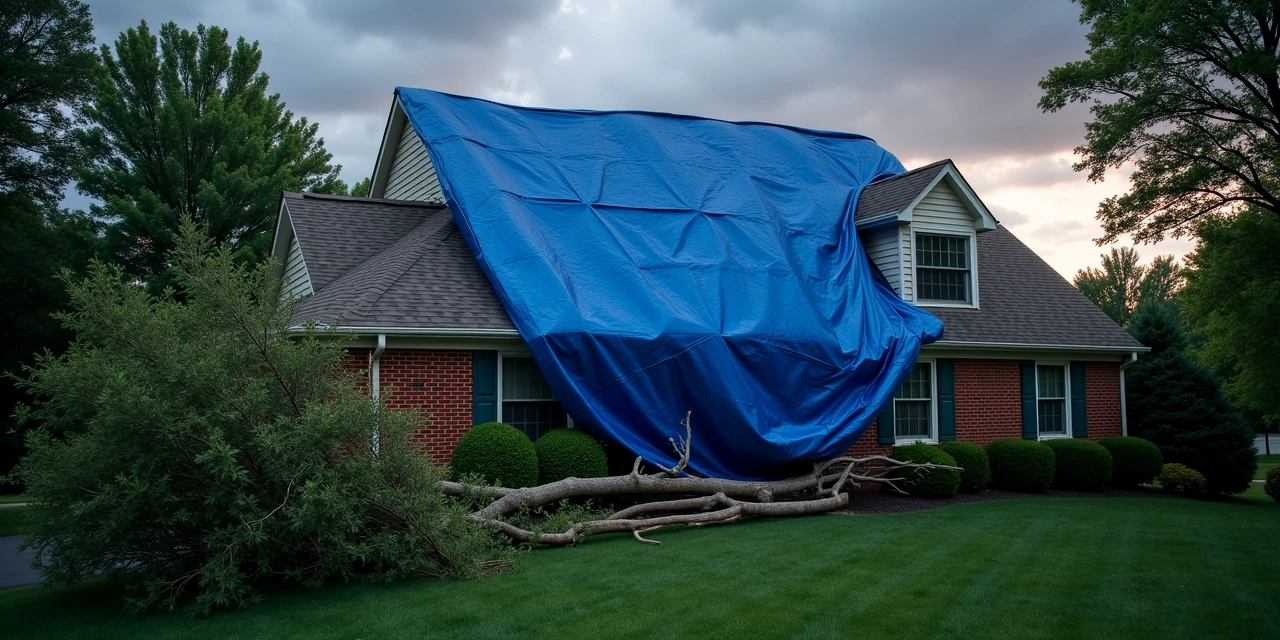
Not keeping documentation of temporary repairs. If you had emergency tarping or temporary repairs done, keep all receipts and photos. These costs are often reimbursable and support your overall claim timeline. Without documentation, they're hard to recover.
For more on the storm damage process, see our guide to emergency roof repair after storm damage. For a detailed look at the claims filing process, see how to file a roof insurance claim in Ohio.
Frequently Asked Questions
Does homeowners insurance cover roof replacement in Ohio?
Yes, if damage was caused by a covered peril — typically wind, hail damage, fire, or falling objects. Normal wear, age, and maintenance neglect are excluded. Whether you receive full replacement cost or a depreciated payout depends on whether your policy carries RCV or ACV coverage. Call your agent and ask directly before assuming you know the answer.
What is the difference between RCV and ACV coverage in Ohio?
RCV (Replacement Cost Value) pays full replacement cost minus your deductible. ACV (Actual Cash Value) pays a depreciated amount based on the roof's age. On a 20-year-old roof, ACV may pay only 20% of replacement cost. Many Ohio policies automatically use ACV for older roofs. Check your policy declarations page or call your agent to confirm which applies to your roof.
How long do I have to file a roof insurance claim in Ohio?
Most Ohio policies allow one year from the date of the damage event. Some are shorter. Read your policy or ask your agent. File as soon as you discover damage even if documentation is still in progress. Missing the deadline forfeits your claim entirely.
What can I do if the insurance settlement is too low?
Three options in escalating order: request a re-inspection with your contractor present, hire a public adjuster (typically 10–15% of the increased settlement amount), or invoke the appraisal clause in your policy for a binding third-party resolution. Don't accept the first offer as final without comparing it to an actual contractor estimate.
What is Xactimate and how does it affect my roof claim?
Xactimate is the software virtually all insurance adjusters use to calculate repair costs. It pulls from a regional pricing database that updates periodically. In 2026, after significant tariff-driven cost increases, Xactimate pricing frequently runs below current contractor quotes. A gap between the insurer's Xactimate estimate and your contractor's actual bid is common and can often be negotiated upward with documentation.
Need Help with Your Roof?
Get a free, itemized estimate from Fairfield County's trusted roofing team.
(10 yr roof, 40% depreciated)− $4,800