File a Roof Claim in Ohio, and Your Insurer Can Drop You in 30 Days
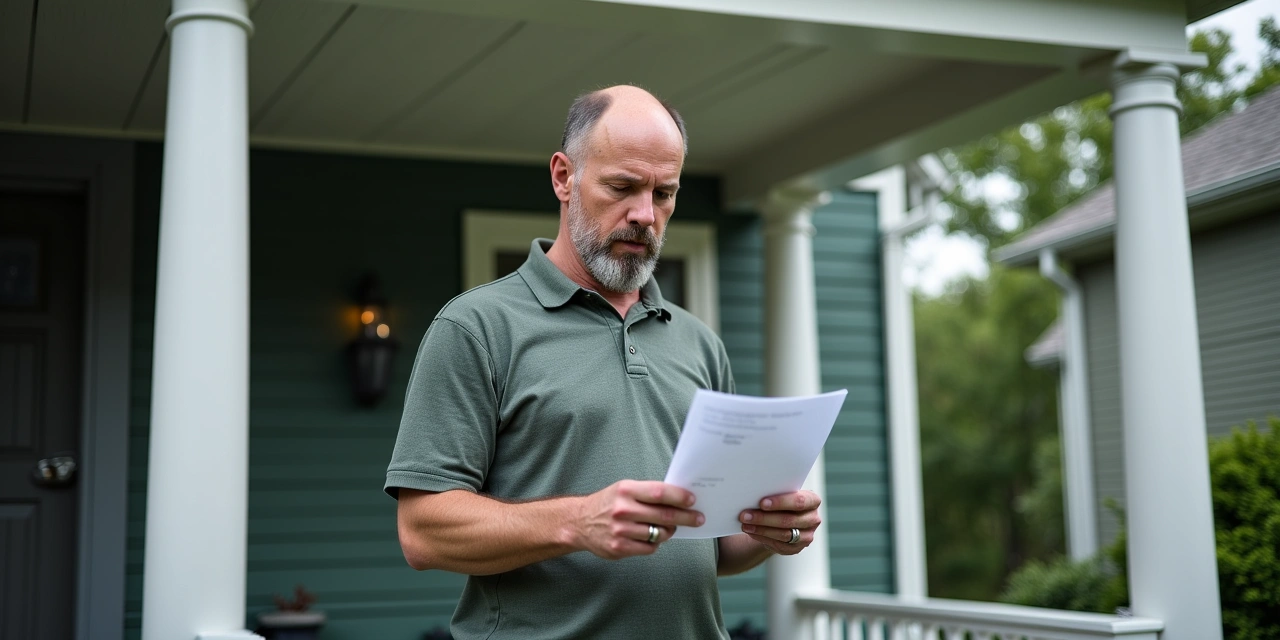
Ohio homeowners who file a legitimate roof claim can lose their policy 30 days later. That is not a rumor. It is a gap in state law that nobody advertises.
Ohio's main non-renewal notice statute, ORC 3937.26, covers commercial property policies today. It has never covered homeowners insurance. A bipartisan bill would finally add that protection, but it has sat in committee since January.
Why Insurers Are Getting Pickier After Storms
Hail and wind claims are not just more frequent. They cost more to pay out every year. Materials and labor prices keep climbing, and insurers rebuild roofs at today's prices, not last year's.
Ohio carriers ran loss ratios above 100% in 2022 and 2023. That means they paid out more in claims than they collected in premiums those years. The market improved in 2024, with a combined ratio near 92%, but underwriters still remember those losses.
Insurers do not need a fixed number of claims to justify a non-renewal. Frequency, severity, and how your claim compares to others in your area all factor in. There is no published threshold. That is exactly the problem. Homeowners rarely see it coming until the notice arrives.
The Notice Gap Nobody Talks About
Commercial policyholders in Ohio get 30 days' written notice before a non-renewal takes effect. That protection comes from ORC 3937.26, on the books since 2004.
Homeowners get no equivalent statutory floor under that same law. Insurers still follow their contract terms and general fair-practice rules, but the specific 30-day backstop commercial policyholders rely on was never written to include homeowners policies.
Where the Bill Stands Right Now
HB 652 sits in the House Insurance Committee. Lawmakers heard proponent testimony on March 3, 2026. No floor vote has been scheduled since.
Ohio is behind on this fix. Georgia's 60-day non-renewal law took effect January 1, 2026. Texas and Indiana passed similar requirements years earlier, both by lopsided votes. Ohio's version is still waiting for a committee to move it.
The ACV Trap Waiting on the Other Side
Even homeowners who keep their policy face a second squeeze. Insurers are converting older roofs from replacement cost value to actual cash value coverage.
A homeowner who survives the non-renewal scare can still open a claim check and find it far short of what a new roof actually costs.
If You Do Get Non-Renewed
You have options even without HB 652. Shopping multiple carriers works, since underwriting standards vary widely between companies. What one insurer flags as a red flag, another may barely notice.
The Ohio Fair Plan Underwriting Association exists as a last-resort option when standard carriers decline coverage. It costs more than a typical policy, but it keeps a mortgage lender satisfied while you rebuild a clean claims history.
A full roof replacement, rather than a patch repair, can also help you qualify for standard coverage again sooner. Insurers weigh current roof condition heavily when deciding whether to write a new policy.
Check Your Non-Renewal Risk
Answer three questions below to see how exposed your policy might be, based on the same factors insurers weigh most heavily: roof age, claim history, and storm severity.
How to use this: pick the option closest to your situation for each question, then click Check My Risk. The result reflects the same factors, roof age, claim frequency, and claim severity, that Ohio insurers weigh when deciding whether to renew a policy. It is an educational estimate, not a guarantee of what any specific carrier will decide.
What to Do Before You File
Call your agent before filing a claim for minor damage. Ask directly whether claims history affects renewal decisions on your specific policy, not just the general rules.
Get photos and a written roof inspection before storm season starts, not after a storm hits. Documentation dated before a storm makes a small claim easier to justify as isolated damage, not part of a pattern.
Know your roof's age against your carrier's actual cash value threshold. If you are close to 15 years old, a smaller repair claim now may cost less over time than a full claim later at a depreciated payout.
Ask your agent for the specific non-renewal reason if you ever receive one. HB 652 would make that explanation mandatory on request, but many agents will share it informally today if you simply ask.
HB 652 could change the notice math for every homeowner in Ohio, but only if it clears committee this year. Until then, treat every roof claim as a decision about your policy, not just your roof.
Watch the House Insurance Committee calendar for a vote. If HB 652 stalls again, expect more Ohio homeowners to get non-renewal notices with just 30 days to find new coverage.
Get a Free Roof Inspection: 877-367-1885
Related articles:
Ohio Roof Insurance Claims Changed in 2026
How to File a Roof Insurance Claim in Ohio
Roof Insurance Claim Guide for Ohio Homeowners
Your Insurer Already Photographed Your Roof From the Sky
Sources:
Ohio Insurance Agents: Why Ohio Needs House Bill 652
BillTrack50: Ohio HB 652 Bill Detail
Roehr Insurance: Ohio's Proposed 60-Day Insurance Non-Renewal Notice
Ohio Laws: Ohio Revised Code Section 3937.26
Insurance Geek: Ohio Homeowners Insurance Rate Tracker 2026