Roofing Crew Shortage Is Stretching Ohio Wait Times Into 2027
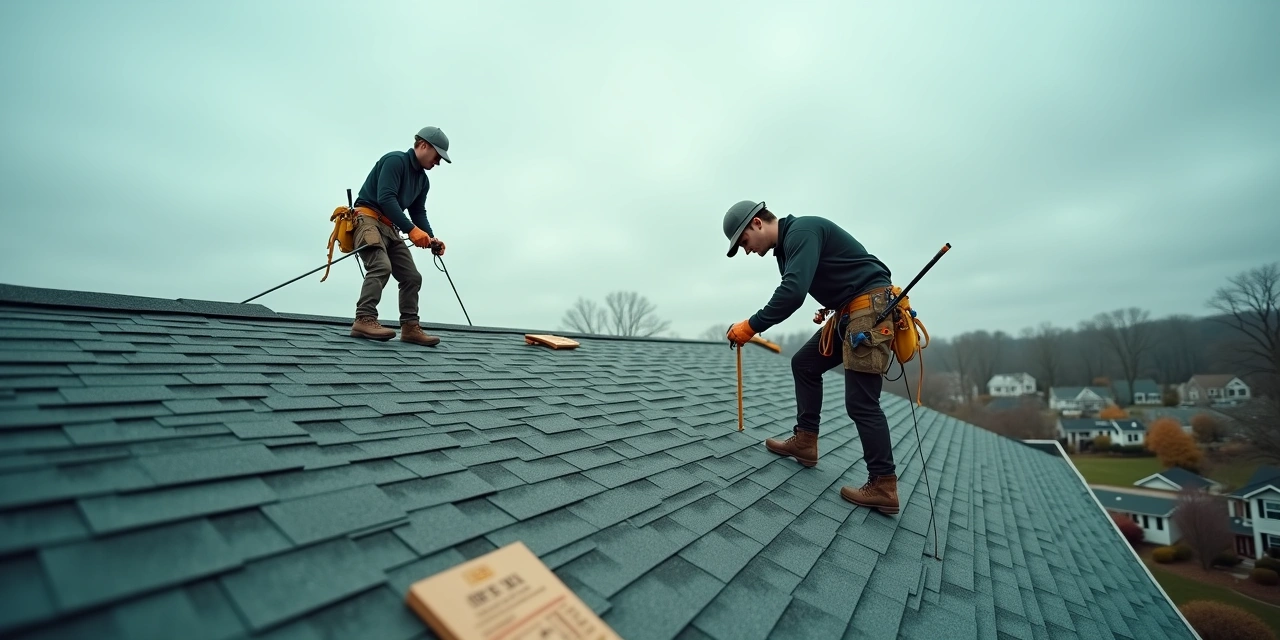
Roofing crews across Ohio are booking further out than they were two years ago. The cause is not more storms.
It is fewer people willing to climb a ladder for a living. Roughly 1 in 5 roofers nationally is now over age 55, per Bureau of Labor Statistics figures cited in Owl Roofing's 2026 trades analysis.
Fewer young workers are replacing them. Central Ohio homeowners scheduling a fall or winter roof replacement are feeling the gap in their install date.
Why Crews Are Booking Further Out
Roofing is physically demanding work with a limited public image. It has never had the recruiting pipeline of electrical or plumbing trades.
The Kingspan Group's roofing labor shortage overview points to "fewer formal apprenticeship or vocational training programs" as a structural cause, not a temporary blip. That gap widens every year more experienced roofers retire without enough new hires behind them.
Storm Volume Adds to the Backlog
A thinner labor pool would matter less if demand were flat. It is not.
National roof-related insurance claims topped $30 billion in 2024, per the same BLS-sourced analysis. Ohio's own 2026 storm season has run heavy, with windstorms and hail events across central Ohio.
Every storm cycle pulls crews toward emergency tarps and insurance-driven replacements first. That pushes routine, non-emergency jobs further down the schedule.
What This Looks Like on a Calendar
Two years ago, a homeowner calling in September could often get a crew on the roof within two to four weeks. Contractors serving Fairfield County now routinely quote longer windows heading into fall, especially for larger tear-off jobs.
The gap is not universal. It depends heavily on a contractor's crew size and how recently they lost or gained workers.
2023 vs. 2026: Typical Wait Times Widen
Ranges reflect general scheduling patterns reported by Fairfield County contractors for standard tear-off and replacement jobs, not a guaranteed timeline. Storm-damaged, insurance-driven jobs are usually prioritized ahead of routine replacements. Get a written schedule commitment before you sign.
Why This Isn't the Same Story as Scam Vetting
A stretched labor market is a different problem than a bad-actor contractor. Our guide on vetting a roofer since Ohio doesn't license them covers insurance and licensing red flags.
This is about capacity, not credentials. A legitimate, well-reviewed contractor can still be six weeks out simply because they lack the crew to move faster.
What Longer Waits Mean for Your Project
A longer wait changes how you should sequence a replacement. If your roof has an active leak, contractors still prioritize storm damage, so that queue moves faster than routine requests.
If you are planning ahead, the old advice to "call a few weeks before you need it" no longer holds like it did in 2023. Our roof replacement timeline guide covers the on-roof workflow once a crew starts. This piece is about the wait before that clock even starts.
Booking Early Without Overpaying
Booking ahead does not mean signing the first bid out of urgency. Get your re-roofing quote in writing with a specific start-date window, not just a season.
Ask how many crews the contractor runs and whether your job is staffed in-house or subcontracted. Subcontractor availability shifts faster than an in-house team's schedule, and locking a date now protects you from further slippage into 2027.
Labor Costs Are Part of the Squeeze Too
A tighter labor market does not just extend wait times. It also puts upward pressure on labor costs, since contractors competing for fewer experienced crew members often pay more to keep them.
Homeowners comparing bids should expect labor to make up a larger share of the total quote than it did a few years ago. That is separate from any material price changes happening at the same time.
Next Move
Watch your contractor's quoted start date, not just their bid amount. A start within a week or two during peak season, with no explanation, can mean a smaller or newer crew on your roof.
If you know you need a replacement within the next year, get on a schedule now. Do not wait for a leak to force the decision, because crews that respond fast are usually the ones already booked furthest out.
Check Your Roof's Timeline: 877-367-1885
Related articles:
Ohio Doesn't License Roofers: Here's How to Vet One Yourself
Roof Replacement Timeline in Ohio
Roofing Contractor Vetting in Ohio
Roofing Material Costs Just Shifted in 2026
Sources:
Owl Roofing (BLS data): 7 Top In-Demand Trades for 2026-27 (Real BLS Data)
Kingspan Group: U.S. Roofing Labor Shortage: Causes, Risks & Industry Impact