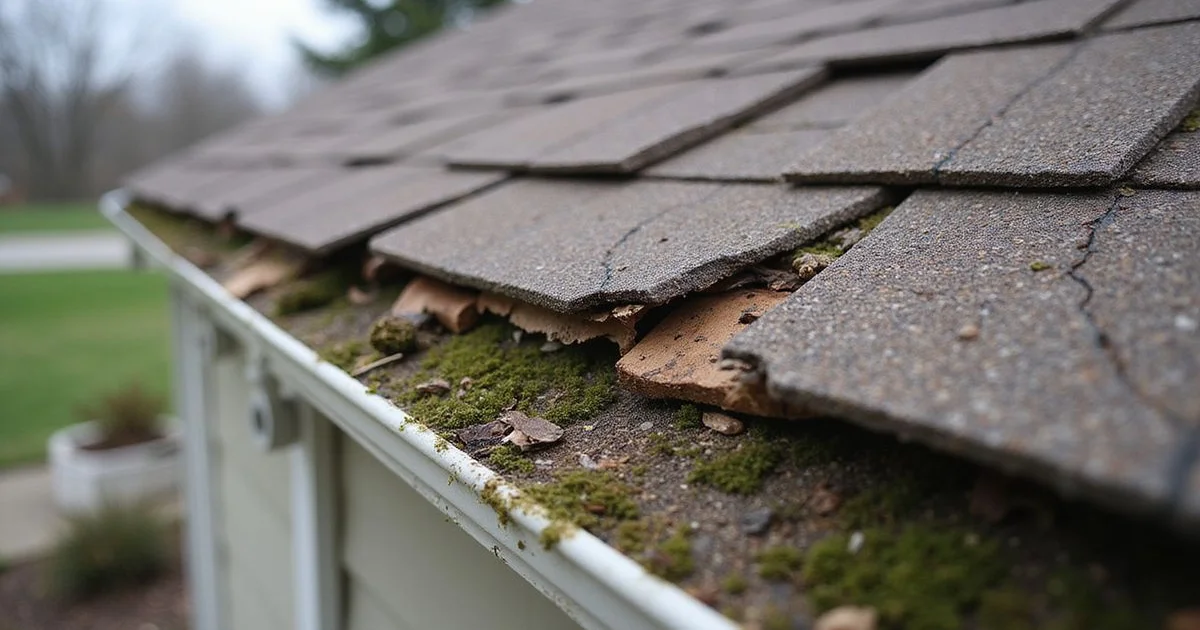
Fairfield County's housing stock is aging into a roofing decision point. With a median home age of roughly 35 years and a climate that delivers hail, ice dams, and derecho-level wind events on a regular basis, thousands of county homeowners are either already past due for a replacement or will be within the next five years. This guide covers every dimension of that decision — what things cost in 2026, how to navigate insurance claims, which materials hold up in Ohio's climate, what the permit process looks like, and how to choose a contractor you can trust.
Fairfield County Roofing at a Glance
Fairfield County is home to approximately 160,000 residents, with the county seat of Lancaster anchoring the core at around 40,000 people. The northwest corridor — Pickerington and Canal Winchester — has seen substantial residential growth over the past two decades, adding large numbers of 2000s-era and 2010s-era subdivisions to a county whose older housing stock is concentrated in and around Lancaster itself.
That mix matters for roofing. Mid-century Lancaster homes often carry original or once-replaced roofs that are approaching or already past their service life. Newer subdivisions in Pickerington and Canal Winchester are hitting the 15–20 year mark where the first meaningful maintenance decisions arise. Across the county, the median home age of roughly 35 years means a meaningful share of the housing stock has roofing that is either overdue for replacement or will be soon.
Fairfield County's climate imposes specific demands on roofing materials and installation practices:
- Freeze-thaw cycles: Approximately 28 cycles per year at the Lancaster weather station — repeated expansion and contraction that accelerates shingle aging and stresses flashings
- Hail season: April through July holds 87% of Fairfield County hail days in NOAA records (2000 to 2025), which average about 2 a year
- Annual precipitation: Approximately 40 inches in Lancaster, spread across all seasons with no pronounced dry period
- Wind exposure: Central Ohio's flat-to-rolling terrain provides limited terrain shielding; storm systems tracking from both the south and northwest can produce damaging winds
- Derecho events: June through August derecho events have historically produced 60–80 mph gusts across Fairfield County — well above the wind resistance threshold of standard asphalt shingles
No coastal hurricane risk applies to this area, but the combination of hail frequency, freeze-thaw intensity, and wind exposure means Fairfield County is a genuinely demanding roofing environment.
How Much Does a Roof Cost in Fairfield County in 2026?
Roofing costs in Fairfield County have risen significantly over the past two years. Material and labor costs are up 15–20% from 2024 levels, driven in part by tariff-driven increases in steel, aluminum, and imported roofing components. The figures below reflect what homeowners in Lancaster and surrounding Fairfield County communities are paying in spring 2026. All figures assume a 1,500–2,000 sq ft roof area, single-layer tear-off, code-compliant synthetic underlayment, drip edge, and standard penetration flashings.
| Roof Type | Low | Mid | High | Notes |
|---|---|---|---|---|
| 3-tab asphalt (rare) | $6,500 | $8,500 | $10,000 | Largely obsolete; most contractors don't recommend |
| Architectural shingles (standard) | $9,500 | $12,500 | $16,000 | Most common choice in Fairfield County |
| Premium architectural shingles | $14,000 | $19,000 | $26,000 | Class 4 impact-resistant options available |
| Metal — steel standing seam | $20,000 | $30,000 | $45,000 | 50+ year lifespan; growing share of local market |
| Metal — steel ribbed panel | $14,000 | $20,000 | $28,000 | More economical metal option |
| Synthetic slate | $18,000 | $25,000 | $35,000 | Lighter than natural slate; HOA-compatible |
| Synthetic cedar shake | $16,000 | $22,000 | $30,000 | Popular aesthetic in newer subdivisions |
Several factors can add meaningfully to these base figures: multiple roof valleys increase material and labor complexity; steep pitch (above 8:12) requires safety equipment and slows installation; significant decking replacement — common in older Lancaster homes — adds $1,500–$4,000 depending on extent; chimney rebuilding or capping, skylight re-flashing, second-story accessibility challenges, and having two existing layers to tear off all push costs higher.
A note on 2026 tariffs: Section 232 steel and aluminum tariffs have added an estimated $800–$2,500 per project on metal roofing and metal flashing components. If you are considering metal roofing, locking in a quote now before further price movement is advisable. For a full breakdown of tariff impacts on Ohio roof replacement costs, see our detailed analysis at /blog/tariff-impact-roof-replacement-ohio/.
Fairfield County Storm Season and Insurance Claims
NOAA's Storm Events Database logged hail on about 2 days a year in Fairfield County from 2000 to 2025, and hail of 1 inch or larger on about 1 day a year. Those are reported events, so real counts run higher. If your home is 10 years old or older and a storm has hit your area, a professional roof inspection is warranted before the next storm season begins.
The insurance claim process in Ohio works as follows:
- Document damage immediately: Photograph and video all visible damage with date and time stamps. Include wide-angle shots showing the roof context and close-ups of specific damage points. Document your gutters, downspouts, AC unit, and any other property that hail may have struck.
- Report to your insurer: Ohio Revised Code Section 3937.18 prohibits insurers from imposing unreasonably short claim filing windows. That said, most Ohio policies contain a prompt reporting requirement — do not wait more than 30 days after discovering damage to report.
- Adjuster inspection: You have the right to have your contractor present during the adjuster's inspection. Exercising this right frequently results in a more complete scope of damage being documented.
- Review the scope: Compare the adjuster's Xactimate estimate line by line against your contractor's bid. Gaps — missing line items for code-required upgrades, incomplete material quantities, underpriced labor — are common and are not necessarily the adjuster's fault; they stem from limited inspection time.
- Supplement process: Your contractor and insurer can negotiate additional line items after the initial scope is issued. A reputable contractor experienced in Ohio insurance work will manage this process on your behalf.
- Appraisal clause: If you and your insurer cannot agree on the settlement amount, your policy's appraisal clause allows each side to hire an independent appraiser; an umpire resolves disagreements. This is a homeowner-friendly provision when scope disputes are large.
Ohio deductible law: Ohio Revised Code Section 3905.431 explicitly prohibits roofing contractors from waiving, absorbing, or reimbursing your insurance deductible. Any contractor offering to "cover your deductible" is violating Ohio law — and is likely cutting corners elsewhere to make the numbers work. You are required to pay your deductible.
For a complete guide to storm damage claims, see /blog/tornado-wind-damage-roof-ohio/. For protecting yourself from post-storm contractor fraud, see /blog/roofing-scams-ohio-storm-damage/.
Materials Guide for Fairfield County's Climate
Not every roofing material performs equally well under Fairfield County's specific climate conditions. Here is how the major options stack up:
Architectural asphalt shingles remain the dominant choice in Fairfield County and for good reason. Owens Corning Duration, GAF Timberline HDZ, and CertainTeed Landmark series products all perform well in Ohio's freeze-thaw environment. The most important upgrade to consider in this category is Class 4 Impact Resistance rating, which is achieved through a reinforced fiberglass mat or rubberized polymer core. Class 4 shingles can provide a 20–30% insurance premium discount with many Ohio carriers — a reduction that, over a roof's lifespan, can approach or exceed the cost premium of the upgraded shingle.
Metal roofing is taking a growing share of the Fairfield County replacement market, particularly among homeowners who plan to stay in their homes long-term. Steel standing seam roofing is exceptionally well suited to Ohio's climate: it has no granules to lose, no seams vulnerable to wind uplift at the shingle level, no hail vulnerability in any meaningful sense, and a lifespan of 50 years or more. The higher upfront cost is offset by the ROI calculation for long-term owners and the elimination of future replacement cycles.
EPDM, TPO, and modified bitumen membranes are appropriate for flat and low-slope applications — commercial buildings, low-slope additions on residential ranches, and similar situations. See our detailed membrane comparison at /blog/commercial-roofing-membrane-comparison-ohio/.
What to avoid in Fairfield County's climate: Standard 3-tab shingles are genuinely inadequate for Ohio's storm frequency — their lower wind resistance ratings leave them vulnerable at the wind speeds central Ohio regularly sees. Budget-brand TPO membranes with thin seams have a documented failure pattern in freeze-thaw environments. Natural slate, while beautiful, is impractical in most of Fairfield County due to the scarcity of repair specialists, the structural engineering requirements for the added weight, and the cost of sourcing matching stone for repairs decades into the roof's life.
For detailed product comparisons across shingle brands and product lines, see /blog/best-roofing-shingles-ohio/.
Permits, HOA, and Legal Requirements
Building permits are required for re-roofing in Lancaster and the majority of Fairfield County jurisdictions. Failing to pull a permit creates legal liability for the homeowner, can complicate a future home sale, and may void manufacturer warranties. Your contractor should always pull the permit — if a contractor proposes that you pull it yourself, treat that as a red flag.
- City of Lancaster Building Inspection Division: 740-687-6634
- Fairfield County Building and Zoning: 740-652-7080
For a full walkthrough of the Fairfield County permit process, see /blog/roof-permit-fairfield-county-ohio/.
HOA communities: Pickerington, Canal Winchester, and other growing areas of Fairfield County have significant HOA-governed development. If your home is in an HOA, you need Architectural Review Committee (ARC) approval in addition to the municipal building permit — and the ARC approval process must typically complete before work begins. Material color, profile, and brand are all subject to HOA approval in most developments. See our full HOA guide at /blog/hoa-roof-replacement-fairfield-county-ohio/.
Ohio Building Code layer limit: OBC Section R907.3 limits residential roofs to two total layers of asphalt shingles. A third re-roofing requires full tear-off of all existing layers. This is a cost that is sometimes not communicated clearly upfront — if your home already has two layers, your replacement will cost more than a single-layer tear-off.
Financing Your Fairfield County Roof
Roofing is one of the largest unplanned home expenses a Fairfield County homeowner will face. Multiple financing paths exist:
Ohio HOME Investment Partnerships Program: Income-qualified homeowners may be eligible for repair assistance through Ohio's HOME program. Eligibility and available funding vary by county and program year.
USDA Section 504 Rural Repair: Available in rural portions of Fairfield County, this program provides grants and low-interest loans for very low-income homeowners to repair homes, including roofing. Contact the USDA Rural Development Ohio office for eligibility determination.
PACE financing: Property Assessed Clean Energy financing is available in Ohio communities that have adopted enabling legislation, allowing energy-efficient roofing upgrades to be financed through a property tax assessment. Check with your municipality for availability.
Contractor financing: Most Lancaster-area roofing contractors offer financing through GreenSky, Service Finance Company, or Synchrony. Promotional terms (0% interest for 12–18 months) are common; read the full terms carefully, as deferred interest products carry significant back-end risk if the balance is not paid in full before the promotional period ends.
HELOCs: If you have equity in your home, a home equity line of credit is often the lowest total-cost financing option for a roof replacement. Interest paid on a HELOC used for home improvement may be tax-deductible — consult your tax advisor.
Federal 25C energy tax credit: The Inflation Reduction Act's 25C credit provides 30% back on qualifying ENERGY STAR certified roofing materials, up to a $1,200 annual cap. This credit can meaningfully offset the cost premium of upgrading to a qualifying product. For a full breakdown of Ohio roofing financing options and applicable tax credits, see /blog/ohio-roof-financing-energy-tax-credits/.
Choosing a Contractor in Fairfield County
Roofing is one of the most contractor-fraud-prone categories in home improvement, and the pattern intensifies in the weeks following a major storm event. The following criteria are non-negotiable when vetting a roofing contractor in Fairfield County:
- Insurance verification: Request a Certificate of Insurance showing $1 million or more in general liability coverage and active workers' compensation. Ask to be listed as an additional insured. Call the insurance company directly to verify the policy is current — COIs can be forged.
- Local registration: Verify the contractor's registration with the City of Lancaster Building Inspection (740-687-6634) or Fairfield County Building and Zoning (740-652-7080) as applicable.
- Manufacturer certification: GAF Master Elite, Owens Corning Preferred Contractor, and CertainTeed SELECT ShingleMaster programs all require contractors to meet minimum installation training and business standards. These certifications also unlock extended manufacturer warranty options.
- Local references: Ask for at least three completed projects in Lancaster or Fairfield County within the past 12 months. Drive by them. Call the homeowners.
- Written contract before any deposit: The contract should specify materials (including manufacturer, product line, and color), scope of work, permit responsibility, timeline, and payment terms. Do not pay more than 10–20% as a deposit.
- Contractor pulls the permit: This is a legal requirement in Lancaster and throughout Fairfield County. A contractor who asks you to pull the permit is either unlicensed or avoiding accountability.
Red flags that require walking away: Any contractor offering to waive or cover your insurance deductible (illegal under ORC 3905.431); door-to-door solicitation immediately after a storm from out-of-state contractors with no local presence; pressure to sign an Assignment of Benefits (AOB) form before work begins; estimates significantly below all others (usually indicates materials shortcuts); verbal-only quotes with no written scope.
For our full contractor vetting guide specific to Lancaster and Fairfield County, see /blog/roofing-contractors-lancaster-ohio/. For post-storm scam warning signs, see /blog/roofing-scams-ohio-storm-damage/.
Seasonal Timing Guide for Fairfield County Roof Replacements
Timing your roof replacement strategically can improve both the quality of the installation and the predictability of your contractor's schedule. Here is the Fairfield County-specific ranking from best to least ideal:
- August–October (Optimal): Temperatures consistently in the 50–80°F range — ideal for asphalt shingle self-sealing. Contractor capacity is still available as the post-storm rush has eased. Completing work before winter eliminates the risk of going into freeze season with a compromised roof. This is the window to target if you have flexibility.
- May–July (Good): Weather is generally predictable and warm enough for quality installation. The tradeoff is that post-storm season contractor demand peaks in this window — backlogs are longest and you may wait 4–8 weeks for scheduling.
- November–March (Acceptable with care): Contractors have capacity, and winter work is entirely feasible when done properly. Most asphalt shingle manufacturers specify a minimum installation temperature of 40°F for self-sealing; below that threshold, hand-sealing is required and adds modest cost. A reputable contractor will manage this without issue.
- March–April (Avoid if possible): This is the beginning of storm season combined with the spring demand surge — the longest backlogs and least scheduling flexibility. Reserve this window for emergency work only.
One timing consideration that is specific to active weather periods: do not schedule a multi-day installation during a forecast with significant hail probability. A hailstorm on day two of a three-day installation can cause damage to partially installed work that adds cost and complexity to the project. Your contractor should monitor the forecast; a good one will reschedule if conditions look threatening.
Frequently Asked Questions
How much does a roof replacement cost in Fairfield County, Ohio in 2026?
A typical Fairfield County residential roof replacement runs $9,500–$16,000 for architectural asphalt shingles on a 1,500–2,000 sq ft home. Premium shingles run $16,000–$26,000. Metal roofing ranges $22,000–$45,000 depending on system type. Material and labor costs are up 15–20% from 2024 due to tariff-driven material price increases. Factors that push costs higher include steep pitch, significant decking damage, chimney work, and having two existing layers to tear off.
What roofing issues are most common in Fairfield County, Ohio?
The most common roofing problems in Fairfield County are hail damage during the spring season (especially March–May), ice dam formation on north-facing slopes during winter that forces water under shingles and into the decking, wind damage from storm systems tracking through central Ohio, and granule loss on asphalt shingles aged 15–20 years. Homes with inadequate attic ventilation experience accelerated shingle aging across all of these failure modes.
How do I file a roof insurance claim in Ohio?
Document damage with photos and video immediately after the storm. Report the claim to your insurer within 30 days — most Ohio policies require prompt reporting. Request an adjuster inspection and exercise your right to have your contractor present. Get an independent contractor estimate before accepting the adjuster's scope — gaps between the adjuster's Xactimate scope and actual replacement cost are common. If the settlement amount is disputed and cannot be resolved through the supplement process, invoke your policy's appraisal clause or consult a licensed Ohio public adjuster.
What is the best time of year to replace a roof in Fairfield County, Ohio?
Late summer (August–September) and early fall (October) are the optimal windows — temperatures are ideal for asphalt shingle sealing, contractor capacity is available, and you enter winter with a new roof. Spring (May–July) is a good second choice on installation quality but comes with the longest contractor backlogs of the year. Winter installation (November–March) is fully viable when managed correctly by an experienced crew. Avoid scheduling during peak storm season (March–June) when backlogs are longest.
Does Fairfield County Ohio have a list of approved roofing contractors?
Fairfield County does not publish a formal approved contractor list. You can verify contractor registrations and permit history at the Fairfield County Building and Zoning office (740-652-7080) and the City of Lancaster Building Inspection Division (740-687-6634). For HOA communities, check with your Architectural Review Committee for any approved or prohibited contractor lists. Always verify insurance certificates by contacting the insurance company directly — certificates can be forged.
Your Local Fairfield County Roofing Expert
Fairfield Peak Roofing serves Lancaster, Pickerington, Canal Winchester, and all of Fairfield County. Fully insured, locally operated, and ready to assess your roof.