Ohio sits at the southern edge of what meteorologists call the expanded tornado alley, a corridor of volatile weather that stretches from the Great Plains into the Ohio River Valley. Fairfield County and the greater Lancaster area are not immune to the severe thunderstorms, straight-line winds, and hailstorms that roll through this region every year. According to NOAA records, Ohio averages between 15 and 25 significant hail events annually, with wind gusts regularly exceeding 60 mph during spring and summer storm systems. For homeowners, each one of those events takes a measurable toll on the roof overhead, even when there is no dramatic visible damage.
The problem is that most storm damage is cumulative and silent. A single hailstorm might not punch a hole through your shingles, but it strips away the protective granule layer that shields the asphalt from ultraviolet radiation. A single windstorm might not rip off a section of your roof, but it loosens the adhesive bond between shingles just enough that the next gust finishes the job. Over time, these repeated weather events compress a roof's expected lifespan by years and sometimes by decades.
In this guide, we are going to break down the specific ways wind and hail damage Ohio roofs, explain how each roofing material responds to severe weather, and give you practical steps for documenting damage and filing an insurance claim before your window closes.
How Wind Damages Your Roof
Wind does not need to reach tornado-level speeds to cause real harm to a residential roof. In fact, most wind damage occurs at sustained speeds between 45 and 70 mph, which is well within the range of a typical Ohio thunderstorm. The damage happens through three primary mechanisms that every homeowner should understand.
Wind Lift and Peeling
When wind hits the side of a house, it accelerates as it rolls over the roofline, creating a low-pressure zone on the leeward side. This suction effect lifts shingles from the bottom edge upward. On an older roof where the factory-applied adhesive strip has degraded from years of thermal cycling, it takes surprisingly little force to break that seal. Once a shingle lifts, it may resettle after the gust passes, but the adhesive bond is permanently broken. That shingle is now vulnerable to every future wind event, and the exposed nail heads beneath it become entry points for water.
The Zipper Effect
Professional roofers call this the most destructive pattern in wind damage. When one shingle blows off or lifts significantly, the wind gains access to the underside of the adjacent shingles. Like pulling a zipper, the wind peels them away in a chain reaction that can strip an entire row in a matter of seconds. This is why finding even a single shingle in your yard after a storm warrants a full roof repair inspection. The visible damage is often just the starting point of a much larger problem.
Flashing and Edge Damage
The most vulnerable areas on any roof are the edges, valleys, and penetration points where flashing is installed around chimneys, vents, and skylights. Wind exerts the greatest force at roof edges and corners, and over time this repeated stress can bend, loosen, or completely separate metal flashing from the roof deck. Once flashing is compromised, water has a direct path into the structure regardless of the shingle condition. In Fairfield County, where many homes feature traditional masonry chimneys, the junction between chimney flashing and the roof surface is one of the most common failure points we see after windstorms.
How Hail Damages Your Roof
Ohio experiences hailstones ranging from pea-sized pellets to golf-ball-sized projectiles, with the larger stones typically accompanying the supercell thunderstorms that develop during the late spring and early summer months. Hail damage to a roof is more insidious than wind damage because much of it is invisible from the ground.
Granule Loss
The most common form of hail damage on asphalt shingle roofing is the displacement of the ceramic-coated granules that cover the shingle surface. These granules serve as the roof's sunscreen, blocking UV radiation that would otherwise break down the asphalt binder. When hailstones strike the shingle, they knock granules loose on impact. After a significant hailstorm, you will often find accumulations of gritty, sand-like material in your gutters and at the base of your downspouts. Each impact zone is now a weak point where the shingle will age at an accelerated rate.
Cracking and Fracturing
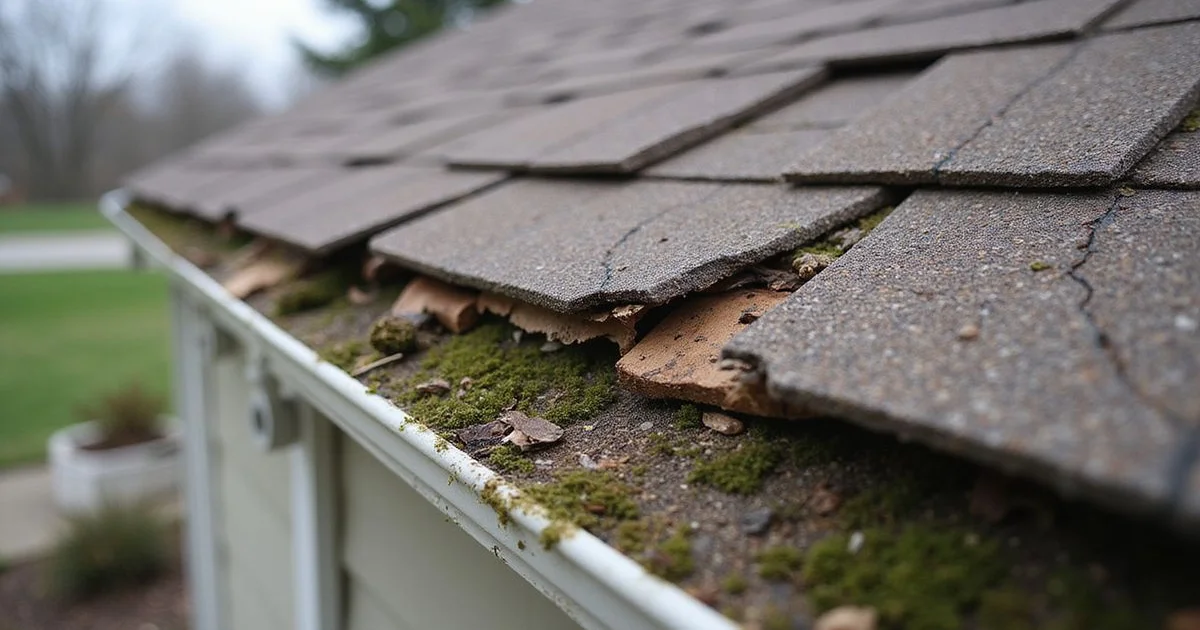
Larger hailstones, generally those exceeding one inch in diameter, can crack the fiberglass mat that gives an asphalt shingle its structural integrity. These cracks may not be visible immediately, but they compromise the shingle's ability to resist water penetration and wind lift. In cold weather, water that seeps into these cracks freezes and expands, widening the fracture with each freeze-thaw cycle. By the time the crack becomes visible from the ground, the underlying damage is already extensive.
Bruising and Soft Spots
Even when hailstones do not crack a shingle outright, they can compress and bruise the asphalt layer beneath the granules. A bruised shingle feels soft and spongy when pressed with a finger, similar to a bruise on an apple. This compression damages the internal waterproofing layer and significantly shortens the shingle's effective lifespan. Insurance adjusters are trained to identify bruising by running their hands across the shingle surface, and it is one of the most reliable indicators that a roof qualifies for a storm damage claim.
Hidden Damage You Cannot See from the Ground
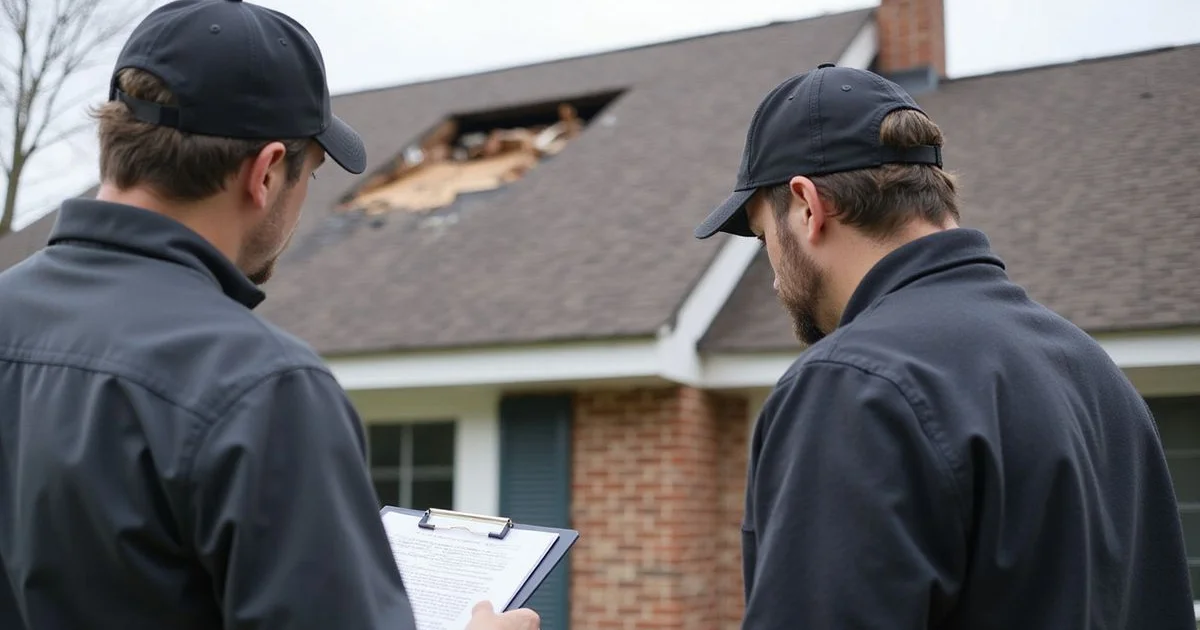
Perhaps the most dangerous aspect of hail damage is its invisibility. A roof can sustain hundreds of hail impacts during a single storm and appear completely normal from the street. The granule displacement, hairline fractures, and bruising that compromise the roof's integrity are only detectable during a hands-on inspection at roof level. This is precisely why we recommend scheduling a professional storm damage inspection within 48 hours of any hailstorm, even if your roof looks fine from the driveway.
How Different Roofing Materials Respond to Storm Damage
Not every roof handles Ohio's severe weather the same way. The material on your home plays a significant role in how much lifespan you lose after each storm event.
Asphalt Shingles
Asphalt shingles are the most common roofing material in Fairfield County and also the most vulnerable to wind and hail damage. Standard 3-tab shingles are rated for winds up to 60 mph, while architectural (dimensional) shingles carry ratings up to 110 or 130 mph depending on the manufacturer. However, these ratings assume proper installation and intact adhesive strips. On a roof that is 10 years old or more, real-world wind resistance is typically 20 to 30 percent lower than the rated value. A severe hailstorm can reduce an asphalt roof's remaining lifespan by 5 to 10 years due to cumulative granule loss.
Metal Roofing
Metal roofing is significantly more resistant to wind damage than asphalt, with most standing-seam systems rated for winds exceeding 140 mph. Hail resistance depends on the metal thickness and profile. Steel and aluminum panels can dent from large hailstones, but these dents are primarily cosmetic and rarely affect the roof's waterproofing performance. However, severe hail can damage the protective paint finish on metal roofs, which may lead to corrosion over time if not addressed. Overall, metal roofs retain far more of their original lifespan after storm events compared to asphalt.
Slate Roofing
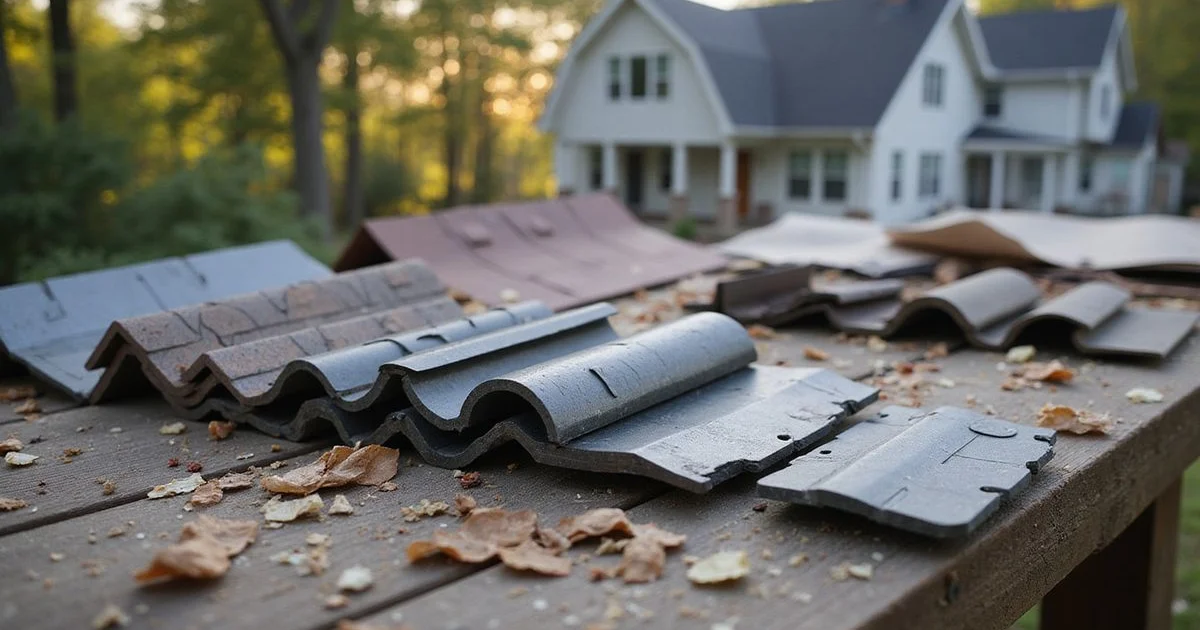
Slate roofing is nearly impervious to wind damage when properly installed due to the weight and interlocking pattern of the tiles. However, slate is a natural stone product and can crack or fracture when struck by large hailstones. The good news is that individual broken tiles can be replaced without disturbing the surrounding roof. A well-maintained slate roof can last 75 to 100 years or more in Ohio's climate, but homeowners should inspect for cracked tiles after any significant hail event.
| Material | Wind Resistance | Hail Resistance | Lifespan Impact per Major Storm |
|---|---|---|---|
| Asphalt (3-tab) | Up to 60 mph | Low | 3-5 years lost |
| Asphalt (Architectural) | Up to 130 mph | Moderate | 2-4 years lost |
| Metal (Standing Seam) | Up to 140+ mph | High (may dent) | Minimal impact |
| Slate | Excellent | Moderate (can crack) | Individual tile replacement |
Fairfield County Weather Patterns and Your Roof
Fairfield County occupies a geographic position that makes it particularly susceptible to severe weather. Located in the transition zone between the rolling hills of southeastern Ohio and the flatter terrain to the west, the county experiences weather patterns from multiple directions. Cold fronts descending from the Great Lakes collide with warm, moist air pushed northward from the Gulf of Mexico, creating the instability that fuels severe thunderstorms.
Spring and early summer bring the highest concentration of damaging storms to the Lancaster area. Between March and July, the combination of increasing solar heating and persistent jet stream activity produces the strongest thunderstorms of the year. Many of these storms carry hail, and wind gusts exceeding 70 mph are reported multiple times each season across Fairfield County. The fall months bring a secondary storm season as remnant tropical systems and strong cold fronts sweep through the Ohio Valley.
Winter poses its own challenges. Heavy snow loads stress the roof structure, and ice dams that form along the eaves force water backward under the shingles. The freeze-thaw cycle that defines Ohio winters is particularly punishing for any roof that has already sustained hail or wind damage. Hairline cracks from summer hail impacts become widening fractures as ice expands inside them during January and February.
When to File an Insurance Claim
Ohio homeowner insurance policies typically cover wind and hail damage under the dwelling coverage section of the policy. However, there are critical timelines and documentation requirements that homeowners must follow to ensure a successful claim.
Act Within the Filing Window
Most policies impose a statute of limitations of one year from the date of the storm event. If you fail to file within this window, the insurance company can deny your claim entirely, leaving you responsible for the full cost of repairs or replacement. We have seen homeowners in Lancaster miss this deadline simply because they did not realize their roof was damaged until months later. Do not wait for a leak to appear before scheduling an inspection.
Documentation Tips for a Stronger Claim
The strength of your insurance claim depends entirely on the quality of your documentation. Here is what we recommend:
- Photograph immediately: Take ground-level photos of your roof, gutters, downspouts, siding, and any soft metals (vents, window screens, AC units) within 48 hours of the storm. These peripheral items help establish the severity of the hail and wind.
- Save weather reports: Download the NOAA storm report for your area and date. This official documentation establishes that a covered weather event occurred at your location.
- Get a professional inspection: A licensed roofing contractor can identify damage that you cannot see from the ground and provide a written damage assessment that carries weight with your insurance adjuster.
- Do not make permanent repairs first: Temporary measures like tarping an active leak are appropriate, but do not replace shingles or make permanent repairs before the adjuster inspects the roof. Doing so can complicate or void your claim.
- Document everything in writing: Keep a written log of all phone calls with your insurance company, including dates, names, and what was discussed.
For a complete walkthrough of the claims process, read our detailed guide on how to file a roof insurance claim in Ohio.
Signs Your Roof Has Storm Damage
After any significant weather event in the Lancaster area, walk the perimeter of your home and look for the following indicators:
- Shingles in the yard or on the ground: Even one missing shingle means the wind penetrated your roof's seal.
- Dented gutters, downspouts, or vents: If hail dented the soft metals on your home, it almost certainly impacted the shingles as well.
- Granules accumulated in gutters: A heavy deposit of gritty material after a storm indicates significant hail impact.
- Cracked or chipped siding: Hail large enough to damage siding will damage roofing materials too.
- Water stains on ceilings or walls: This is a late-stage indicator that the roof barrier has already been breached.
- Lifted or creased shingle edges: Wind-lifted shingles may settle back down but will show a crease line where the adhesive bond broke.
Frequently Asked Questions
How much does hail damage reduce my roof's lifespan?
A single severe hailstorm can reduce your roof's remaining lifespan by 5 to 10 years depending on the size of the hailstones and the roofing material. Asphalt shingles are the most vulnerable, losing protective granules with each impact. Once enough granules are stripped away, the underlying asphalt layer degrades rapidly from UV exposure, accelerating the aging process even if no immediate leaks are visible.
How long do I have to file a roof insurance claim after a storm in Ohio?
Most homeowner insurance policies in Ohio allow one year from the date of the storm to file a claim for wind or hail damage. Some policies may have shorter windows, so it is important to review your specific policy language. We recommend scheduling a professional roof inspection within 48 hours of any significant weather event and filing your claim as soon as damage is confirmed.
Can I see hail damage on my roof from the ground?
Some hail damage is visible from the ground, such as missing shingles, dented gutters, or large impact marks. However, most hail damage is subtle and requires a close-up inspection on the roof itself. Granule loss, hairline fractures in the shingle mat, and bruising of the asphalt layer are nearly impossible to detect without walking the roof. A professional inspector will also check soft metals like vents, flashing, and ridge caps where hail impact is easier to confirm.
Does wind damage void my roof warranty?
Wind damage itself does not void your manufacturer warranty, but failing to repair documented wind damage in a timely manner can. Most manufacturers require homeowners to maintain the roof and address damage promptly. If a storm lifts shingles and you leave them unrepaired for months, subsequent water damage caused by neglect may not be covered under the original warranty terms.
Protect Your Roof from Ohio's Severe Weather
At Fairfield Peak Roofing, we help homeowners throughout Lancaster and Fairfield County assess storm damage, document it properly for insurance carriers, and restore their roofs to full protective condition. We have seen firsthand how Ohio's wind and hail events shorten roof lifespans, and we believe every homeowner deserves an honest, transparent evaluation of their roof's condition after a storm.
Whether you need a post-storm inspection, a targeted roof repair, or a full replacement with more resilient materials, our team will walk you through your options and help you make the decision that best protects your home and your budget. If you have been through a recent storm or simply want to know where your roof stands, reach out to us today.
Storm Damage? Get Your Roof Inspected.
Our team documents damage for insurance claims and provides honest repair recommendations.