You just got the quote approved for your roof replacement, and now the most pressing question isn't about cost—it's about how long your home will look like a construction zone.
In Lancaster and across Fairfield County, the roof replacement timeline varies dramatically based on factors most homeowners never consider until it's too late. While your contractor might promise "2-3 days," the reality involves weather delays, permit processing, and unexpected structural issues that can stretch a simple shingle swap into a multi-week ordeal.
Understanding the exact timeline for each phase helps you plan around work schedules, protect your belongings, and know when to actually worry if progress stalls.
This guide breaks down the real roof replacement timeline in Ohio, including the hidden delays that contractors don't always mention upfront.
Phase 1: Pre-Construction (7-14 Days)
Before a single shingle comes off your roof, there's a critical preparation period that most homeowners underestimate.
Permits and Approvals (3-7 Business Days)
In Fairfield County, residential roof replacements require a building permit from your local building department. Lancaster's building department typically processes permits in 3-5 business days, but this assumes your contractor submits complete documentation including:
- Detailed scope of work
- Proof of contractor licensing and insurance
- Material specifications meeting Ohio Building Code
- Site diagrams showing access points
During peak season (May through September), permit processing can extend to 7-10 days due to application volume. Your contractor should handle this, but delays here push back your entire timeline.
Material Ordering and Delivery (5-10 Days)
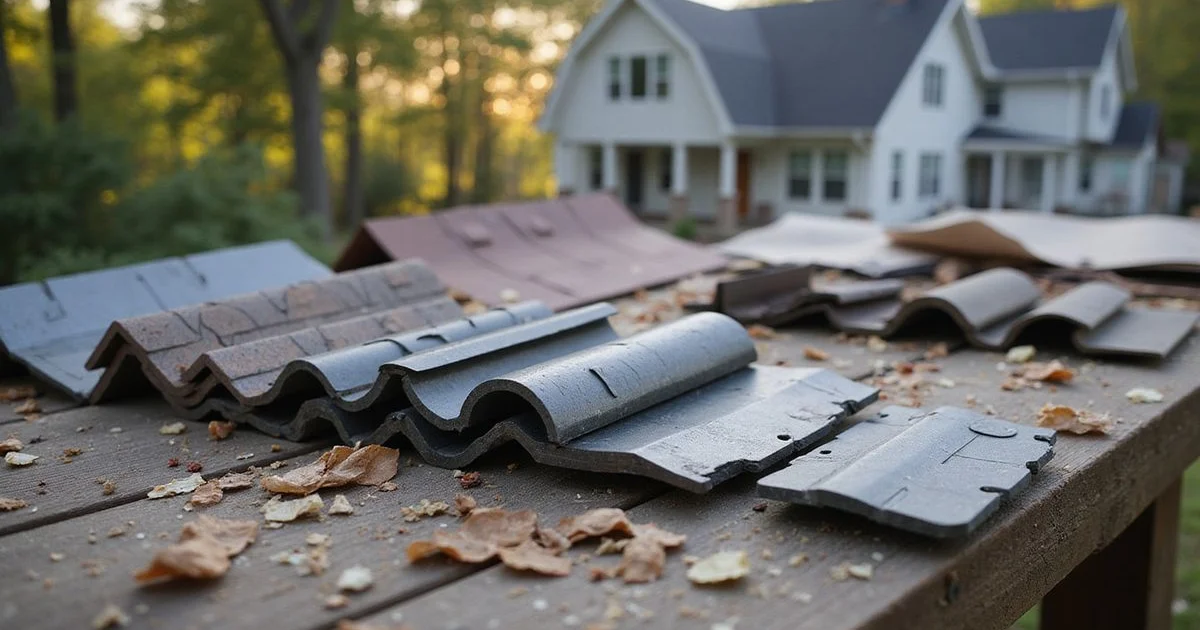
Once you select your roofing materials, suppliers need time to prepare your order. Standard asphalt shingles in common colors ship within 5-7 days, but specialty materials face longer waits:
| Material Type | Typical Lead Time | Ohio Availability |
|---|---|---|
| Standard Asphalt Shingles | 5-7 days | Excellent |
| Premium Architectural Shingles | 7-10 days | Good |
| Metal Roofing Panels | 10-14 days | Moderate |
| Slate or Tile | 14-21 days | Limited |
Supply chain disruptions in 2026 have made specialty underlayment products particularly scarce. If your roof requires ice and water shield beyond standard coverage, expect an additional 3-5 day wait.
Schedule Coordination
Professional roofing crews in Lancaster typically book 2-4 weeks out during spring and summer. Winter projects (December through February) often have immediate availability, though weather considerations make this Ohio's slowest roofing season.
Phase 2: Tear-Off and Demolition (1 Day)
This is the loudest, messiest, and fastest phase of your roof replacement.
Morning Tear-Off (3-6 Hours)
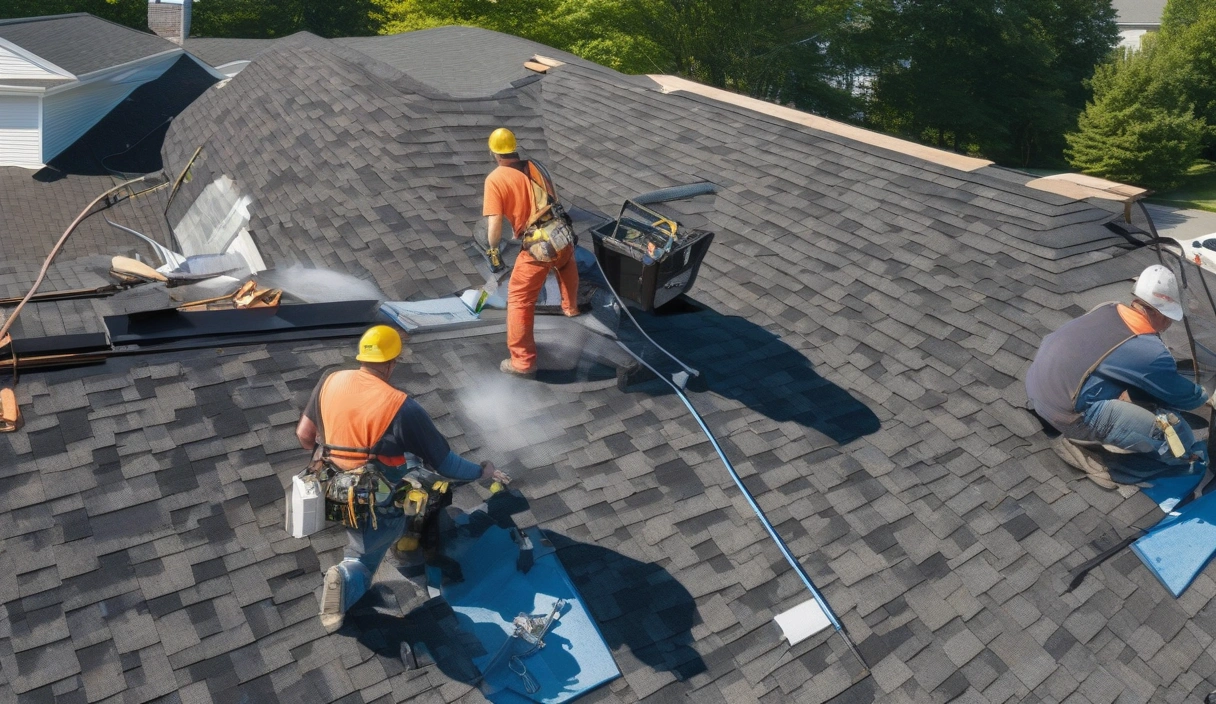
Crews typically start at 7:00-8:00 AM to maximize daylight. The tear-off process involves:
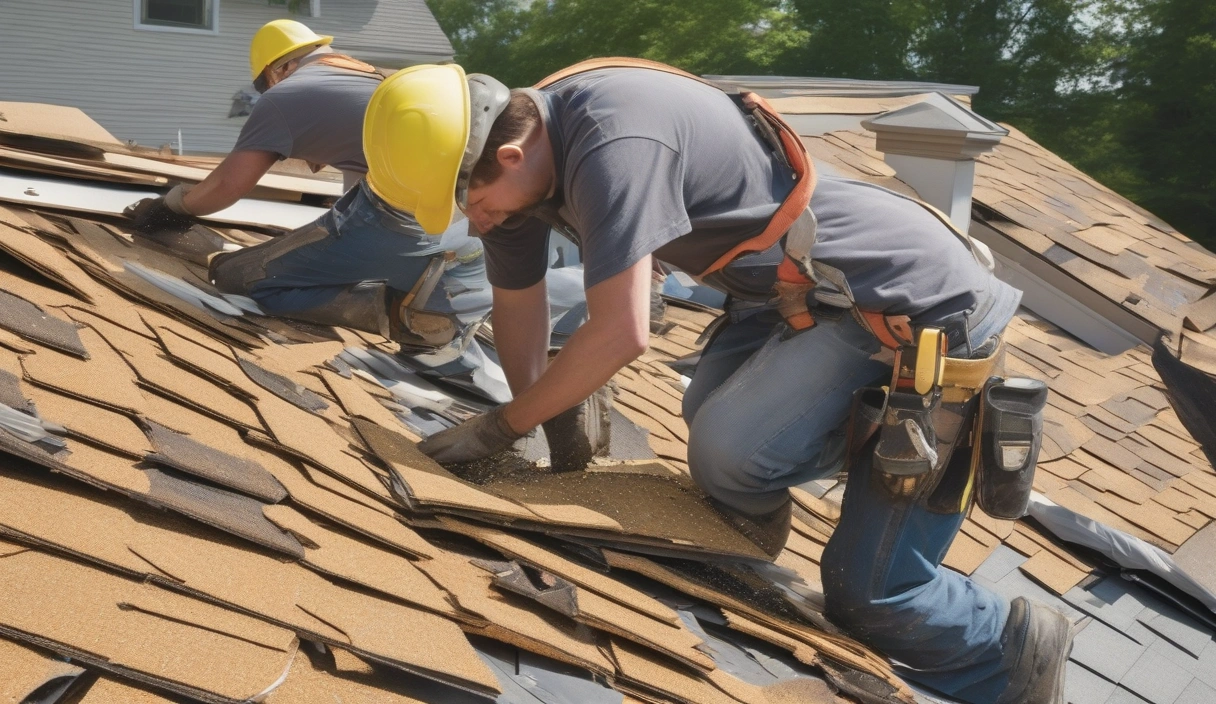
Hour 1-2: Crew arrives, sets up dumpster and safety equipment, protects landscaping with tarps. You'll hear equipment being unloaded and positioned.
Hour 2-4: Active tear-off begins. This is when noise peaks—expect sounds similar to a continuous thunderstorm as roofing shovels and pry bars rip off old shingles. Vibrations may shake walls and dislodge pictures.
Hour 4-6: Cleanup of debris into the dumpster. Any damaged decking discovered during tear-off gets marked for replacement.
For a standard 1,500-2,000 square foot roof, experienced crews complete tear-off in 4-5 hours. Larger homes (2,500+ sq ft) or multiple layers of old shingles can extend this to a full day.
Hidden Damage Discovery
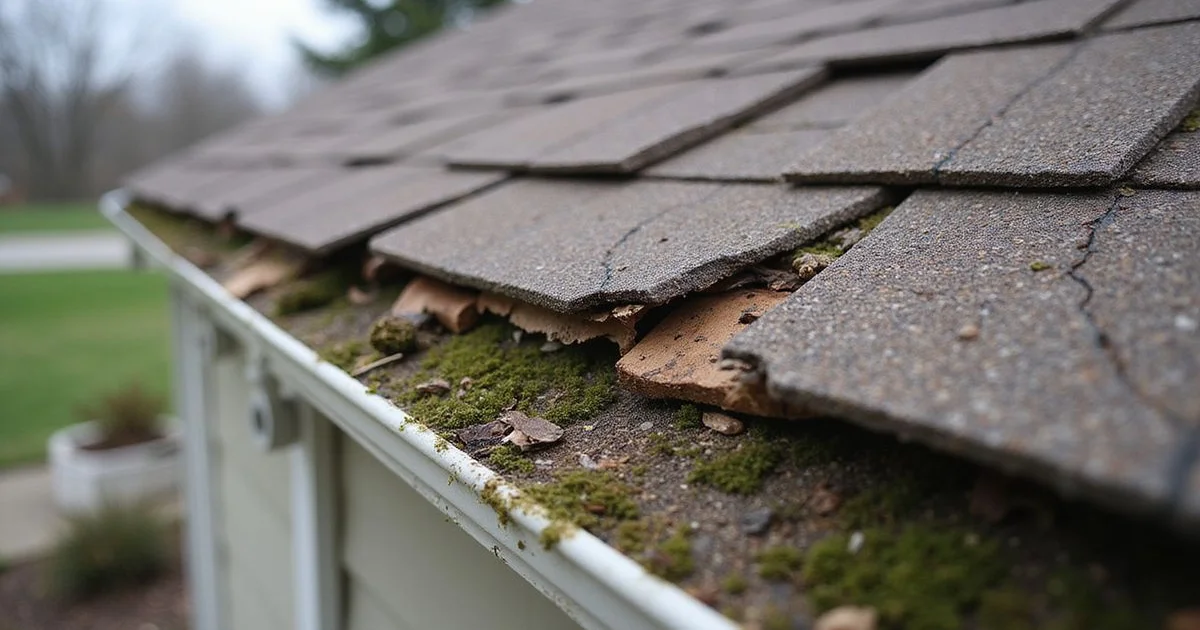
This is where timelines often derail. Once underlayment is removed, roofers frequently discover:
- Rotted plywood decking from previous leaks (adds 0.5-1 day per 100 sq ft)
- Damaged fascia or soffit requiring carpentry work (adds 0.5-1 day)
- Inadequate ventilation needing new ridge vents installed (adds 2-4 hours)
Professional contractors include contingency language in contracts for this, but homeowners rarely expect the timeline impact. Budget an extra day if your roof is over 20 years old or you've had previous leak issues.
Phase 3: Deck Repair and Preparation (0-2 Days)
If your roof deck is sound, crews move directly to installation. If repairs are needed, this adds time.
Deck Replacement
Modern Ohio building codes require 7/16" OSB or 1/2" plywood rated for roof decking. Replacement work proceeds at roughly:
- 100 sq ft of decking: 2-3 hours
- 200-300 sq ft: 4-6 hours (half day)
- 500+ sq ft: Full additional day
The most common deck repair scenario in Lancaster involves sections damaged by ice dams along eaves—typically 50-150 square feet requiring replacement.
Underlayment Installation
Once the deck is solid, crews install:
- Ice and water shield along eaves (first 3-6 feet) and valleys
- Synthetic underlayment across remaining roof surface
- Drip edge along all edges
This typically takes 2-4 hours on average roofs and happens the same day as installation begins.
Phase 4: Shingle Installation (1-3 Days)
This is the phase contractors quote when they say "1-2 day job."
Installation Rates by Roof Type
| Roof Size | Asphalt Shingles | Metal Panels | Complex Architecture |
|---|---|---|---|
| 1,000-1,500 sq ft | 1 day | 1-2 days | 1.5-2 days |
| 1,500-2,000 sq ft | 1-2 days | 2-3 days | 2-3 days |
| 2,000-2,500 sq ft | 2 days | 3-4 days | 3-4 days |
| 2,500-3,000 sq ft | 2-3 days | 4-5 days | 4-6 days |
Complex architecture includes multiple dormers, steep pitches (8/12 or steeper), or extensive valley systems that slow installation.
Daily Installation Progress
Day 1 (Installation Start):
- Starter strip installation along eaves
- First 30-40% of shingles installed
- Ridge ventilation prepared
- Valley metal installed if applicable
Day 2 (Main Installation):
- Remaining field shingles installed
- Hip and ridge cap installation
- Chimney and vent flashing
- Final sealing and inspection
Weather permitting, most Lancaster residential roofs finish shingle installation in 1.5-2 days.
Phase 5: Finishing Details (0.5-1 Day)
Flashing and Penetrations
Proper flashing around chimneys, skylights, and plumbing vents is critical for preventing leaks. Quality contractors spend extra time here:
- Chimney flashing: 1-2 hours (step flashing, counter flashing, cricket installation)
- Skylight flashing: 1-1.5 hours per skylight
- Vent pipe boots: 15-20 minutes each
Gutter Reinstallation
If your gutters were removed for roof access, reinstallation adds 2-4 hours. Some contractors recommend replacing old gutters during roof replacement to avoid future removal costs.
Final Cleanup
Professional crews perform:
- Magnetic nail sweep: 30-45 minutes (critical for finding dropped nails)
- Dumpster removal: Typically scheduled same-day or next morning
- Debris inspection: Walk property perimeter for missed materials
- Attic inspection: Verify no nails penetrated through decking
The Weather Wild Card: Ohio-Specific Delays
Weather is the number one cause of timeline extensions in Ohio roofing projects.
Conditions That Halt Work
- Rain of any intensity: Complete work stoppage (moisture compromises shingle adhesion)
- Winds over 25 mph: Safety risk for elevated work
- Temperatures below 40°F: Asphalt shingles become brittle and won't seal properly
- Temperatures above 95°F: Worker safety concerns and shingle damage risk
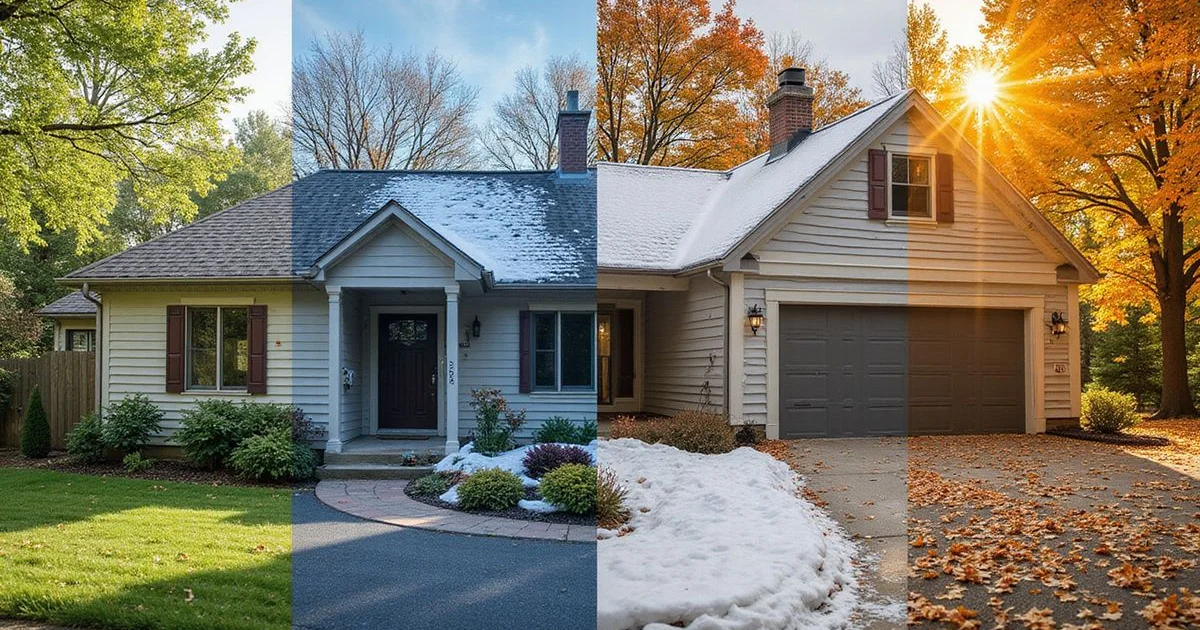
Seasonal Delay Expectations
| Season | Average Delay Risk | Typical Cause |
|---|---|---|
| Spring (March-May) | Moderate-High (3-7 days) | Frequent rain systems |
| Summer (June-August) | Low (1-2 days) | Afternoon thunderstorms |
| Fall (September-November) | Low-Moderate (2-4 days) | Early season weather fronts |
| Winter (December-February) | High (5-10+ days) | Snow, ice, temperature |
Lancaster experienced 14 days of measurable precipitation in April 2025—a record that delayed dozens of roofing projects by 1-2 weeks.
Contractor Weather Protocols
Reputable contractors monitor weather forecasts 48-72 hours ahead and will:
- Delay tear-off if rain expected within 24 hours
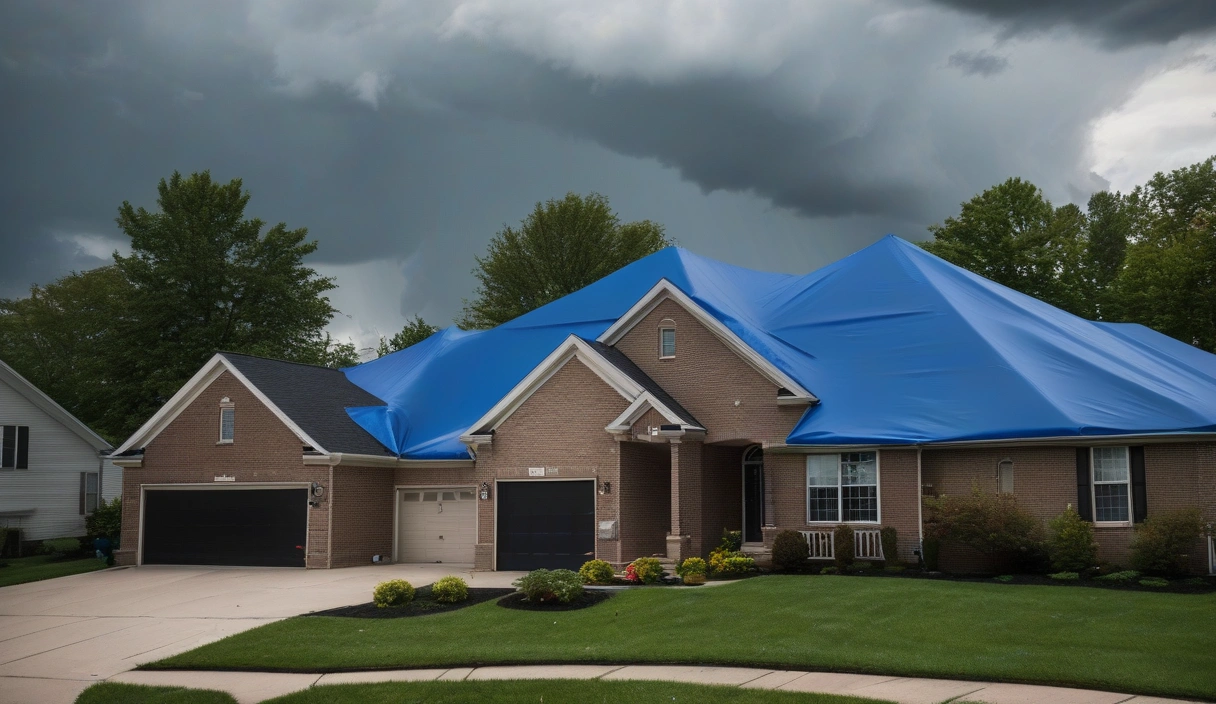
- Tarp exposed sections if surprise weather develops
- Resume work only after surfaces dry (4-8 hours post-rain in summer, 12-24 hours in cooler months)
Total Realistic Timeline by Project Type
Here's what you should actually expect from contract signing to completion:
Standard Asphalt Shingle Replacement
Best Case (Perfect Conditions):
- Permit/Materials: 7 days
- Tear-off to completion: 1-2 days
- Total: 8-9 days
Realistic Case (Normal Conditions):
- Permit/Materials: 10-14 days
- Minor weather delay: 2-3 days
- Tear-off to completion: 2 days
- Total: 14-19 days (2-3 weeks)
Worst Case (Complications):
- Permit/Materials: 14 days
- Weather delays: 5-7 days
- Structural repairs discovered: 1-2 days
- Tear-off to completion: 3 days
- Total: 23-26 days (3-4 weeks)
Premium Metal Roof Installation
Metal roofing requires precision cutting and fastening, slowing installation:
- Permit/Materials: 14-21 days (longer lead times for metal)
- Installation: 3-5 days
- Weather sensitivity: Same as asphalt
- Total: 17-33 days (2.5-5 weeks)
How to Minimize Delays
Before Project Starts
- Schedule during optimal weather windows: Late May through early October offers the most stable conditions in Ohio
- Confirm material availability before signing: Ask for documentation that materials are in stock or confirm ship date
- Choose contractors with permit experience: Established local contractors have streamlined permit processes
- Prepare your property: Clear driveway access, move vehicles, trim overhanging branches
During Installation
- Maintain clear communication: Ask for daily updates if project extends beyond quoted timeline
- Document everything: Photo progress daily, especially if insurance is covering the work
- Be flexible with schedule: Weather delays are beyond contractor control—focus on quality over speed
- Address concerns immediately: Don't wait until final day to raise quality issues
Red Flags That Indicate Problems
While weather delays are normal, these situations warrant concern:
- Project stalls for 5+ days with no communication: Professional contractors proactively update clients on delays
- Crew disappears mid-project: Could indicate contractor is juggling too many jobs
- Exposed roof left overnight without tarping: Water damage to interior is your contractor's liability but your headache
- Permits not posted visibly: Building inspectors can halt unpermitted work
Living in Your Home During Replacement
What to Expect
You don't need to vacate, but daily life changes during roof work:
Noise levels: Tear-off phase (8am-noon) sounds like constant hammering directly overhead. Installation is quieter but still disruptive. Families with infants or noise-sensitive pets often stay elsewhere during active work days.
Vibrations: Expect wall decorations to shift or fall. Remove fragile items from shelves the night before work begins.
Dust and debris: Despite precautions, attic dust filters into living spaces. Cover furniture in rooms directly below roof work.
Bathroom access: Contractors need outdoor water access for cleanup—communicate which spigots are available.
Driveway/parking: Dumpsters and material deliveries occupy driveway space for 2-5 days. Plan alternative parking.
Protecting Your Property
- Move vehicles 50+ feet from home: Falling debris is common despite safety measures
- Cover pool/hot tub: Roofing debris damages pool liners and filtration systems
- Protect landscaping: Request plywood walkways over garden beds if crew access required
- Secure pets indoors: Open gates and loud noises stress animals
Final Inspection and Warranty Activation
Municipal Inspection
Fairfield County requires a final building inspection before your roof is officially approved. Your contractor schedules this, typically within 2-5 business days of completion. The inspector verifies:
- Proper shingle installation and nailing patterns
- Adequate ventilation (ridge vents, soffit vents)
- Flashing around penetrations
- Compliance with fire-resistant requirements
Inspection failures (rare with licensed contractors) add 1-3 days for corrections and re-inspection.
Manufacturer Warranty Registration
Most shingle manufacturers require registration within 60 days for full warranty coverage. Your contractor should handle this, but verify you receive:
- Copy of warranty registration confirmation
- Material warranty documentation (typically 25-50 years)
- Workmanship warranty from contractor (typically 5-10 years)
Frequently Asked Questions
Can I speed up the timeline by doing prep work myself?
Homeowner prep has minimal impact on installation timeline but helps indirectly. Clearing ground-level access, moving patio furniture, and trimming branches reduces setup time (saving 30-60 minutes). However, never attempt roof prep yourself—liability and safety risks outweigh any time savings.
What happens if it rains mid-installation?
Professional crews immediately tarp exposed sections with heavy-duty waterproof tarps secured with boards. Modern synthetic underlayment provides some water resistance, but tarping prevents water intrusion. If rain surprises the crew, temporary protection goes up within 10-15 minutes. Your contract should specify that weather delays are no-cost extensions.
Should I be home during installation?
Not required, but recommended for at least the first day. Being present allows you to:
- Answer questions about property access
- Address any immediate concerns
- Verify crew professionalism and safety practices
- Document the work progress
After the first day, daily presence isn't necessary if you trust your contractor.
How long before I can walk on my new roof?
Asphalt shingles are immediately walkable after installation, but manufacturers recommend avoiding unnecessary foot traffic for 30 days while adhesive strips fully cure. Metal roofs can be walked on immediately with proper footwear (soft-soled shoes to avoid scratching). Never walk on slate or tile roofs without professional guidance—both crack under improper weight distribution.
Plan Ahead for a Smooth Roof Replacement
The difference between a 10-day roof replacement and a month-long ordeal usually comes down to factors you can control: choosing experienced contractors, scheduling during optimal weather windows, and maintaining realistic expectations about the process.
At Fairfield Peak Roofing, we provide detailed project timelines during the estimate process and proactively communicate any delays. Our crews have completed hundreds of Lancaster roof replacements and average 1.8 days for standard residential installations—weather permitting.
We handle all permit applications, coordinate material delivery, and provide daily progress updates so you always know where your project stands. If you're planning a roof replacement and want a realistic timeline based on your specific home, contact us for a detailed project schedule that accounts for your roof's size, complexity, and our current weather outlook.
Knowing exactly what to expect makes the entire process less stressful—and helps you plan your life around the work instead of being caught off guard by delays.
Ready to Start Your Roof Replacement?
Get a detailed project timeline and accurate estimate from Lancaster's trusted roofing team.