A roof inspection is one of the smartest investments a homeowner in Lancaster, Ohio can make, yet most people have no idea what actually happens during one. Whether you are preparing to sell your home, recovering from a severe storm, or simply staying ahead of maintenance, understanding the inspection process removes the mystery and helps you ask the right questions when the inspector is standing in your driveway.
In Fairfield County, our roofs endure a punishing cycle of heavy snow, ice dams, spring thunderstorms, and summer heat that accelerates wear far beyond what you would see in milder climates. A professional inspection catches the damage you cannot see from the ground before it turns into a leak on your living room ceiling. In this guide, we will walk you through every phase of a professional roof inspection so you know exactly what to expect, what inspectors are looking for, and how the findings translate into actionable next steps for your home.
Why Roof Inspections Matter in Lancaster, Ohio
Lancaster sits in a region where weather patterns create unique stress on roofing systems. The freeze-thaw cycles that define Ohio winters cause shingles to expand and contract repeatedly, weakening adhesive bonds and creating hairline fractures in flashing. Spring storms rolling through Fairfield County regularly bring hail and wind gusts exceeding 60 mph that can strip granules from shingles and loosen ridge caps without leaving any visible evidence from the ground.
The National Roofing Contractors Association recommends inspecting your roof at least twice per year, ideally in the spring and fall. Most roofing problems start small, and catching a cracked piece of flashing or a handful of missing granules early can mean the difference between a $200 to $500 repair and a $10,000+ emergency replacement. Regular inspections also preserve your manufacturer warranty, which often requires proof of ongoing maintenance to remain valid.
Step 1: The Exterior Roof Inspection
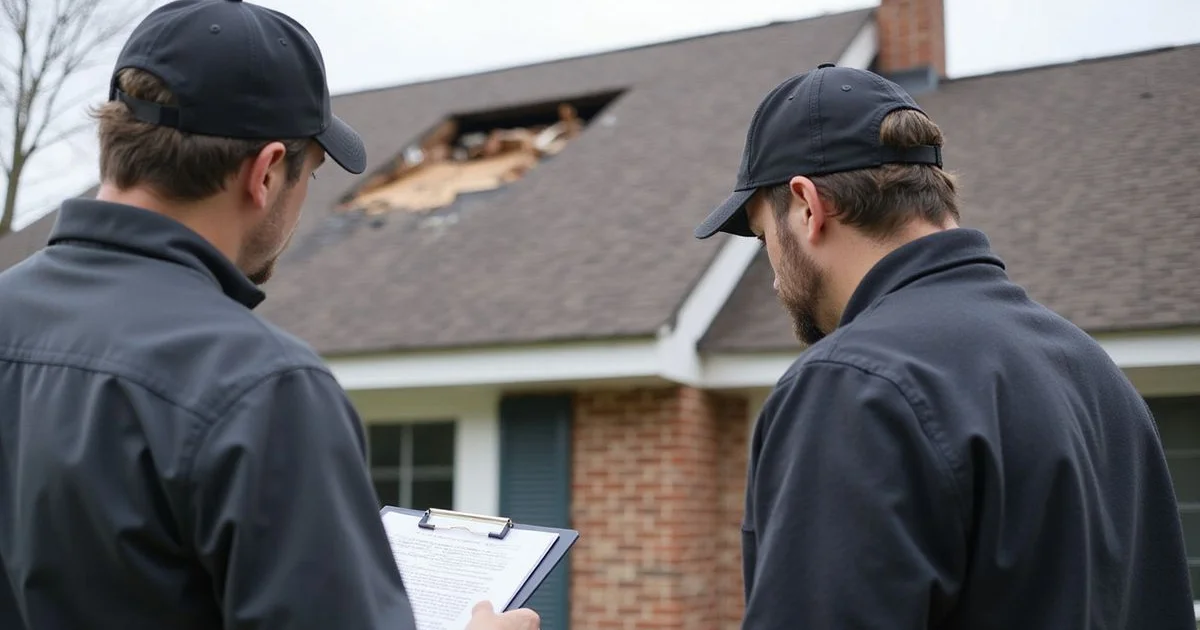
The inspection begins on the outside of your home. A qualified inspector will walk the perimeter of your property first, looking at the roof from ground level before climbing up for a closer examination. This ground-level survey establishes an overall picture of the roof's condition and identifies any areas that warrant closer attention.
Once on the roof, the inspector systematically evaluates several critical components:
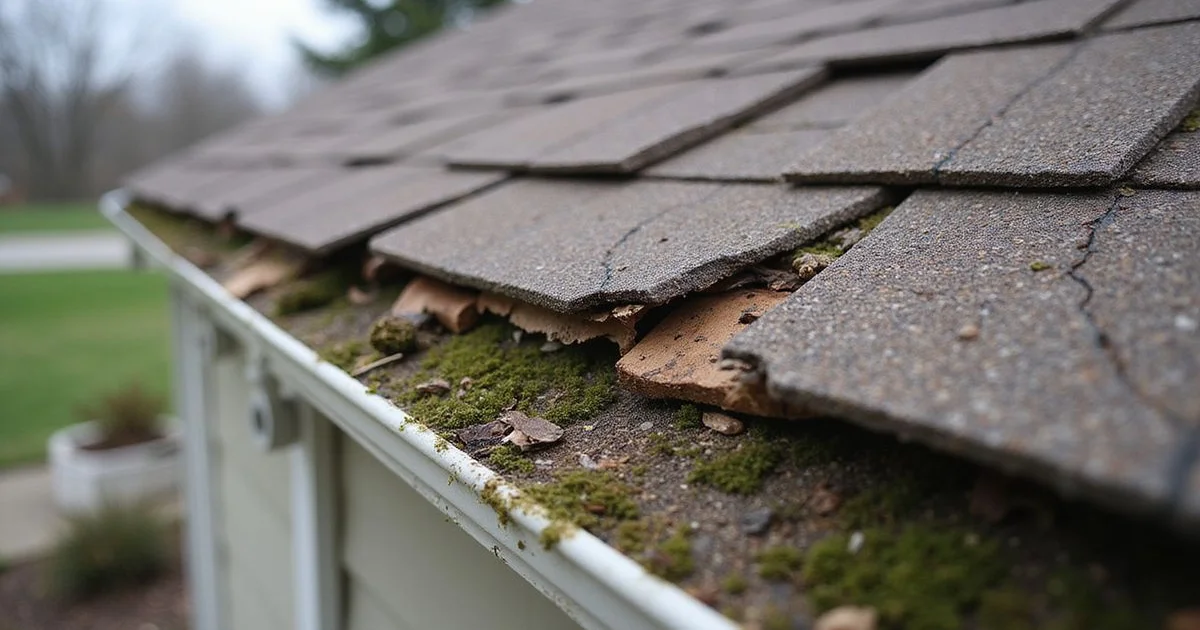
Shingles and Roofing Material: The inspector checks every slope for cracked, curled, buckling, or missing asphalt shingles. They look for granule loss, which appears as dark or bald patches on the shingle surface. Granule loss is one of the earliest indicators that shingles are reaching the end of their functional life, even if they still look acceptable from the street. In Lancaster, where UV exposure and temperature swings are intense, granule deterioration tends to accelerate after the 15-year mark.
Flashing: Metal flashing around chimneys, skylights, vents, and wall intersections is one of the most common failure points on any roof. The inspector examines each piece of flashing for rust, separation, lifted edges, or deteriorated sealant. A single gap in chimney flashing can allow gallons of water to enter your home during a heavy Ohio rainstorm without leaving any exterior sign of a problem.
Gutters and Downspouts: Your gutter system is inspected for proper attachment, correct pitch, and evidence of overflow or sagging. The inspector also checks for excessive granule accumulation in the gutter troughs, which signals accelerated shingle wear. Clogged or damaged gutters cause water to back up under the roof edge, rotting the fascia boards and potentially damaging the soffit and fascia system that protects your attic from moisture and pests.
Ventilation Components: Ridge vents, soffit vents, turbine vents, and any other ventilation components are checked for blockages, damage, or improper installation. Adequate ventilation is not optional in Ohio's climate. Without it, heat and moisture build up in the attic, baking the shingles from underneath and promoting mold growth on the roof deck.
Step 2: The Interior and Attic Inspection
A thorough roof inspection does not stop at the shingles. The attic tells a story that the exterior cannot, and any inspector who skips this step is giving you an incomplete picture.
Inside your attic, the inspector is looking for:
- Water stains and active leaks: Dark spots on the underside of the roof deck or along rafters indicate that water has penetrated the roofing system. Even old, dried stains warrant investigation because the entry point may still be open.
- Moisture and condensation: Inspectors check for damp insulation, condensation on rafters, and any signs of frost buildup during colder months. Excess moisture in the attic is frequently caused by poor ventilation rather than a roof leak, but the damage it causes is identical.
- Structural integrity: The inspector examines rafters and trusses for sagging, cracking, or signs of rot. In older Lancaster homes built before modern building codes, undersized rafters can begin to bow under heavy snow loads, creating a structural hazard that is invisible from outside.
- Insulation condition: Compressed, wet, or missing insulation reduces your home's energy efficiency and can indicate ongoing moisture problems. The inspector notes the type, depth, and condition of your attic insulation as part of the overall roof system evaluation.
- Proper ventilation flow: The inspector verifies that air moves freely from the soffit vents up through the attic space and out through the ridge or gable vents. Blocked soffit vents, often caused by insulation pushed too close to the eaves, are one of the most common issues found during attic inspections in this region.
Step 3: Documentation and Photography
A professional inspector documents every finding with clear, high-resolution photographs. This documentation serves multiple purposes and is one of the most valuable parts of the entire inspection process.
Each photograph is typically labeled with its location on the roof and a description of the issue found. This photographic record is essential if you need to file an insurance claim for storm damage, because adjusters want to see dated evidence of the damage. It also provides a baseline for future inspections, allowing your roofer to track how specific areas are aging over time.
Modern inspectors often use drone photography to capture aerial views of the entire roof surface, which is particularly useful for steep or multi-story homes where walking every section safely is not possible. Infrared imaging is another technology increasingly used in Lancaster to detect moisture trapped beneath the surface that the naked eye cannot see.
Step 4: The Inspection Report
After completing both the exterior and interior inspections, the inspector compiles a detailed written report. A quality report includes:
- Overall roof condition rating based on a standardized scale.
- Estimated remaining lifespan of the current roofing system.
- Itemized list of deficiencies ranked by severity, from cosmetic issues to urgent repairs.
- Recommended repairs with approximate cost ranges so you can budget accordingly.
- Photographs corresponding to each finding.
- Maintenance recommendations tailored to your specific roof type and the local climate conditions.
You should receive this report within 24 to 48 hours of the inspection. A reputable company will walk you through the findings in plain language, showing you the photos so you understand exactly what they found and why each recommendation matters. If you need a roof repair, the report gives you the documentation to compare estimates from multiple contractors confidently.
How Long Does a Roof Inspection Take?
For a standard residential home in Lancaster, expect a thorough professional inspection to take between 45 minutes and 2 hours. The exact duration depends on several factors:
| Factor | Impact on Time |
|---|---|
| Roof size | Larger roofs require more time to walk and inspect every section. |
| Roof complexity | Multiple valleys, dormers, and penetrations add inspection points. |
| Number of issues found | More damage means more time documenting and photographing. |
| Attic accessibility | Easy attic access speeds up the interior portion significantly. |
| Weather conditions | Wet or icy roofs slow the inspector down for safety reasons. |
Be wary of any inspector who spends less than 30 minutes on your property. A rushed inspection misses the subtle signs of developing problems that distinguish a professional evaluation from a quick sales pitch.
When Should You Schedule a Roof Inspection?
Beyond the twice-yearly maintenance inspections, there are several situations where scheduling an inspection promptly is critical:
Before buying or selling a home: A pre-purchase roof inspection protects buyers from inheriting expensive problems and gives sellers the documentation to negotiate confidently. In the Lancaster real estate market, a clean roof inspection report can strengthen your listing and prevent last-minute deal breakers during the buyer's home inspection.
After severe weather: Any time Fairfield County experiences hail, high winds, or heavy ice accumulation, you should have your roof inspected within 30 days. Ohio insurance policies typically impose a one-year statute of limitations on storm damage claims, but the sooner you document the damage, the stronger your claim. Even if your roof looks fine from the ground, hail can fracture shingles in ways that are invisible without a close-up examination.
For insurance purposes: If your homeowner's insurance is up for renewal or you are switching carriers, a current roof inspection report can help you secure better rates. Insurers increasingly require proof of roof condition before issuing or renewing policies on homes with roofs older than 15 years.
When your roof reaches 15 to 20 years old: Even if nothing appears wrong, an aging roof deserves professional evaluation. Most asphalt shingle roofs in Ohio's climate begin showing signs of wear around the 15-year mark, and catching issues early gives you time to plan and budget for repairs or replacement rather than reacting to an emergency.
What a Roof Inspection Does Not Include
Understanding the scope of a standard inspection prevents misunderstandings. A roof inspection evaluates the current condition and identifies visible deficiencies, but it does not include:
- Destructive testing such as removing shingles to inspect the deck beneath.
- Repair work during the inspection visit.
- Guarantees about how long the roof will last, though inspectors provide educated estimates.
- Inspection of interior ceilings and walls beyond the attic space.
If the inspector suspects hidden damage beneath the roofing material, they will recommend further evaluation, which may involve removing a small section for a closer look. This additional step is separate from the standard inspection.
Frequently Asked Questions
How much does a professional roof inspection cost in Lancaster, Ohio?
Professional roof inspections in the Lancaster area typically range from $150 to $400 depending on the size and complexity of your roof. Some roofing contractors offer inspection credits that apply toward any subsequent repair or replacement work, which effectively reduces the net cost. Always confirm what is included in the inspection fee before scheduling, and be cautious of inspections advertised with no clear pricing, as these sometimes serve as a vehicle for high-pressure sales rather than objective evaluation.
Can I inspect my own roof instead of hiring a professional?
While you can perform a basic visual check from the ground using binoculars, a DIY inspection cannot replace a professional evaluation. Trained inspectors identify subtle issues like hairline flashing cracks, early-stage granule loss patterns, and attic moisture problems that are impossible to detect without climbing the roof and entering the attic. Walking on a roof without proper safety equipment and training also carries serious fall risks. We recommend homeowners do a ground-level visual check each season and schedule a professional inspection at least once a year.
Do I need to be home during the roof inspection?
It is best to be home during the inspection so the inspector can access your attic, discuss any findings in real time, and answer your questions on the spot. If the inspector needs to check the attic, someone will need to provide interior access. However, the exterior portion of the inspection can be completed without you present if necessary. Most inspectors prefer to walk through the final findings with you in person so you can see the photographs and understand the recommendations immediately.
Will a roof inspection void my warranty?
No. A non-invasive professional inspection will not void your roofing warranty. In fact, most manufacturer warranties require regular maintenance and inspections to remain valid. Skipping inspections is more likely to jeopardize your warranty coverage than scheduling them. Just make sure the inspector is a licensed, insured roofing professional and that they do not perform any unauthorized modifications during the inspection.
Schedule Your Roof Inspection Today
At Fairfield Peak Roofing, we provide comprehensive roof inspections for homeowners throughout Lancaster and Fairfield County. Our inspectors are trained to evaluate every component of your roofing system, from the ridge cap down to the soffit and fascia, and we deliver a detailed report with clear photographs so you never have to guess about the condition of your roof.
Whether you are dealing with a roof that has seen two decades of Ohio weather, preparing to list your home, or simply want peace of mind after the last round of storms, a professional inspection gives you the information you need to make smart decisions. We walk you through every finding, explain your options in plain language, and never pressure you into work that is not necessary.
If your roof is due for an inspection, or if you have noticed anything that concerns you, reach out to our team today to get on the schedule. Catching a small problem now is always less expensive than dealing with a big one later.
Need a Professional Roof Inspection?
Get a thorough evaluation from Lancaster's most trusted roofing team.