The Solar Tax Credit Died Dec. 31. Ohio Roofing Pitches Still Assume It's Alive
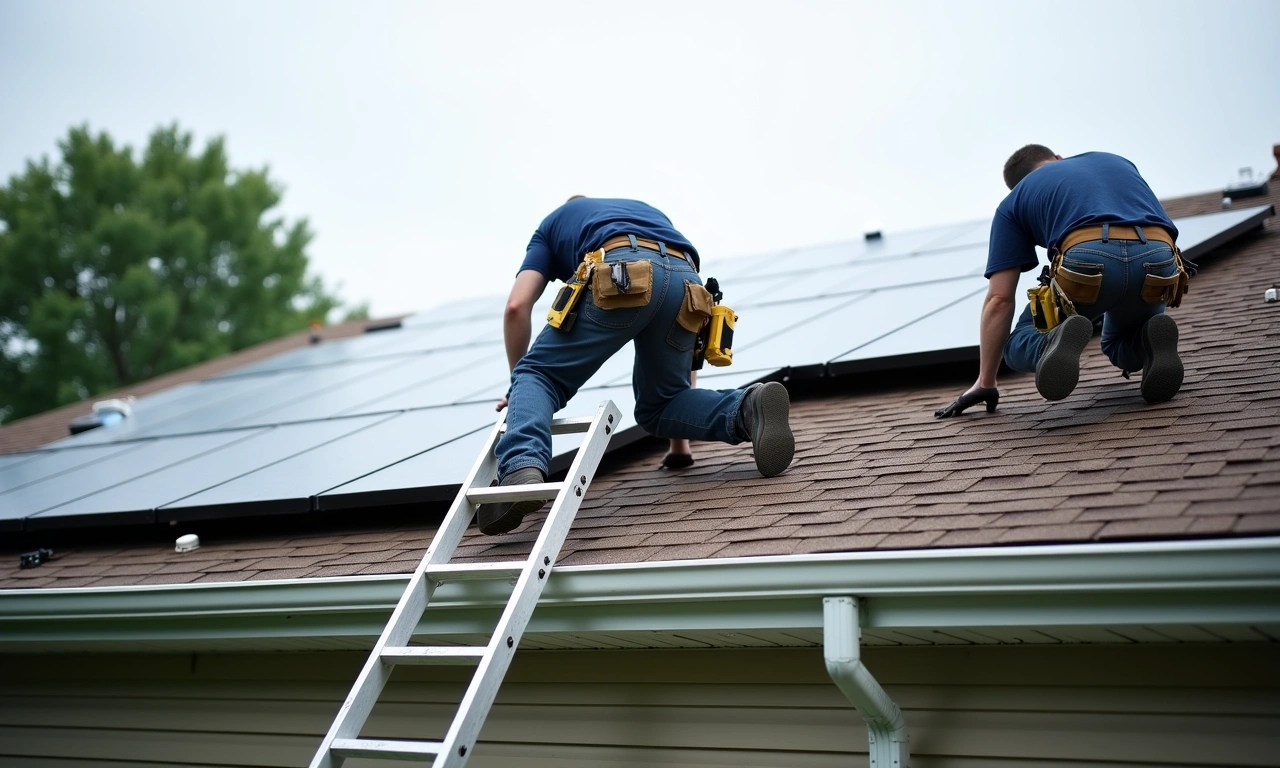
If a contractor recently pitched you on adding solar while replacing your roof, ask when that script was written. The 30% federal Residential Clean Energy Credit expired for any system placed in service after December 31, 2025. Buy panels in 2026, and there is no federal credit waiting when you file taxes.
That is not scare talk from a roofer trying to steer you away from solar. It is the direct result of the One Big Beautiful Bill Act, signed into law in 2025, which eliminated Section 25D for homeowner-owned systems. No phase-down softens the landing. No extension is pending. The credit simply stopped.
The Credit That Shaped a Decade of Solar Pitches
For years, the pitch was simple: solar pays for itself faster because Washington covers 30% of the bill. That math anchored nearly every residential solar quote in Ohio, including ones bundled into a roof replacement estimate. Section 25D let homeowners claim a dollar-for-dollar credit against installed cost, with no cap, for systems they owned outright.
Homeowners who locked in installation before the deadline are not affected. Unused credit from a 2025 project generally carries forward into future tax years. Everyone shopping in 2026 is working from a different set of numbers entirely.
The Roofing Wrinkle Almost Nobody Explained
Here is the part that gets glossed over even by installers who know the credit expired. The cost of your roof itself was never eligible for Section 25D, even back when the credit existed. Only specialized solar roofing tiles or shingles that generate electricity themselves counted as qualifying solar property.
That distinction matters more now, not less. A homeowner weighing asphalt versus metal roofing for a standard reroof gets zero federal offset either way in 2026. Only true solar shingles, an integrated electricity-generating roof product, would have touched the old credit at all, and even that math no longer applies.
Ohio Never Offered Much of Its Own
Ohio has no state income tax credit for residential solar. Homeowners here always leaned almost entirely on the federal 30% to make the numbers work. With that gone, what is actually still on the table locally is narrower than most pitches let on.
None of those replace a 30% upfront credit. Net metering lowers your monthly bill over time. SRECs generate ongoing income if you register and sell them. Neither shows up as a lump sum against your installation cost the way the old federal credit did.
The Lease Pitch Getting Louder This Year
Here is where the sales scripts are actually shifting, and where homeowners need to listen carefully. Commercial entities that own solar equipment, including leasing companies and installers running power purchase agreements, can still access the Section 48E Investment Tax Credit through 2027. That credit belongs to whoever owns the panels.
Under a lease or PPA, that owner is the leasing company, not you. The installer captures the tax benefit and, in theory, passes some of that value through as a lower monthly payment. You get panels on your roof without an upfront bill. You also do not own the system, do not build home equity from it, and cannot claim any credit yourself at tax time.
What to Ask Before You Sign Anything
If solar comes up while you're getting roof financing quotes, ask the installer directly whether you are buying the system or leasing it. Ask who owns the panels on paper. Ask what happens to that lease if you sell the house within five or ten years, since leases typically transfer to the buyer or require an early buyout.
If you are already scheduling a full reroof, a roof inspection before any solar quote tells you how much structural work the panels need regardless of financing model. That inspection cost has nothing to do with the tax credit conversation, and every legitimate contractor should be running one anyway before quoting mounting hardware.
Should You Still Consider Solar in 2026?
The honest answer depends on three things: how you'd own the system, how much life is left in your current roof, and how long you plan to stay in the house. Answer the three questions below for a quick read on where you land.
How to use this: pick the option closest to your situation for each question, then click Check My Fit. The result weighs the same three factors that determine whether solar still pencils out without the federal credit: who owns the system, how much roof work you're already paying for, and whether you'll be in the house long enough to recoup the cost. It is an educational estimate, not financial advice.
Your Next Move
Do not let any quote in 2026 mention "30% off" or "federal tax credit" without asking which entity actually claims it. If the answer is a leasing company, that is not dishonest by itself, but it changes what you are buying: a service contract, not an asset with a tax benefit attached to your return.
Watch the Ohio Statehouse and PUCO for any movement on state-level solar incentives to fill the gap the federal credit left behind. Nothing is currently pending, but rate cases and net metering tariffs do shift, and it is worth checking puco.ohio.gov before signing a multi-year lease. If you're weighing roofing material choices independent of solar, the current 2026 material cost picture is worth reading first, since that decision no longer has a tax credit pulling it in solar's direction.
Get a Free Roof Inspection: 877-367-1885
Related articles:
Ohio Roof Financing and Energy Tax Credits
Roof Replacement ROI and Ohio Home Value
Metal Roof vs. Asphalt Shingles in Ohio
Metal Roof Tariffs Hit 60%: Does Metal Still Beat Asphalt in Ohio?
Sources:
Stephano Slack: Clean Energy Tax Credits in 2026: What Remains, What's Ending, and Why Timing Matters
Our Tax Partner: Residential Clean Energy Credit 2026
Potrero Energy: Federal Solar Tax Credit 2026
Joule.io: Green Energy Tax Credits in 2026
EnergySage: Ohio Solar Incentives, Tax Credits & Rebates 2026