A commercial roof replacement in Ohio generates a measurable return on investment. It is more than leak protection.
Some buildings spend $6,000 to $20,000 per year patching a failing membrane. A full replacement typically pays back its incremental cost within 4 to 8 years. Eliminated repair costs alone cover that.
Add energy savings from modern insulation and reflective membranes, and the ROI case gets stronger.
This guide breaks down the five financial returns on a commercial roof investment. It shows typical Ohio cost ranges by system type. It also includes an ROI calculator built around your actual numbers.
Why Commercial Roofs Have a Different Math
Residential roofing decisions are mostly about protection and timing. Commercial roofing decisions carry more financial dimensions.
The roof directly affects operating costs, lease terms, insurance premiums, and property value. Owners and asset managers track all of those line items.
Flat and low-slope roofs common in Central Ohio commercial buildings fail differently than residential shingles. They do not fail in obvious ways.
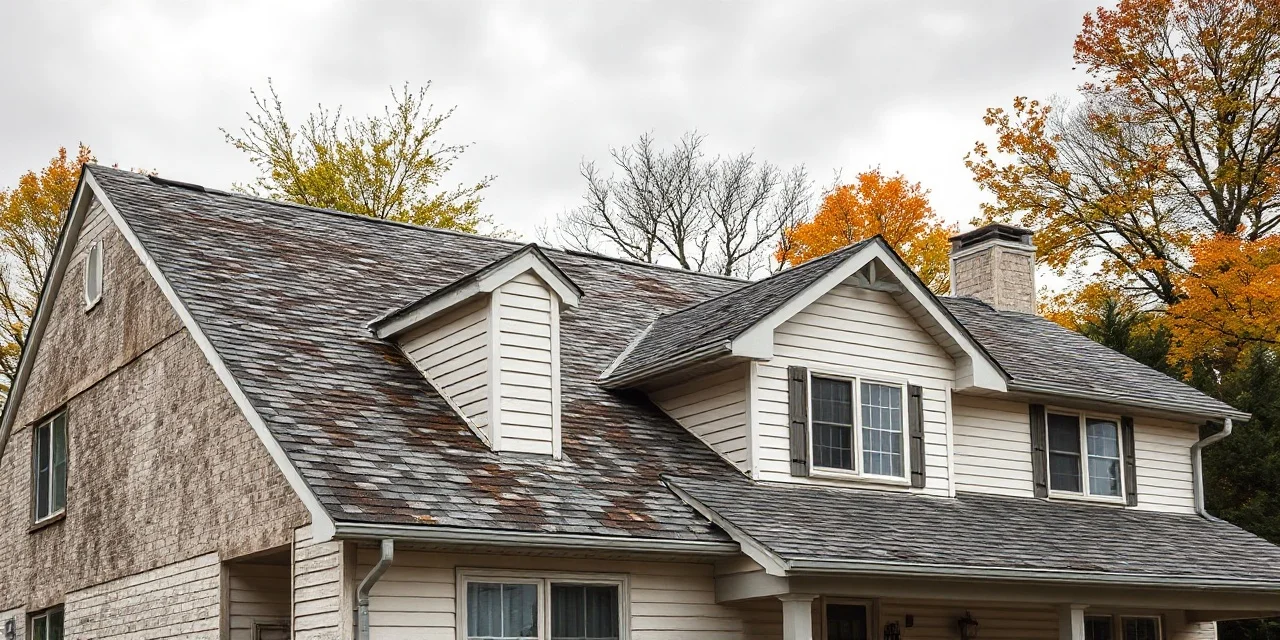
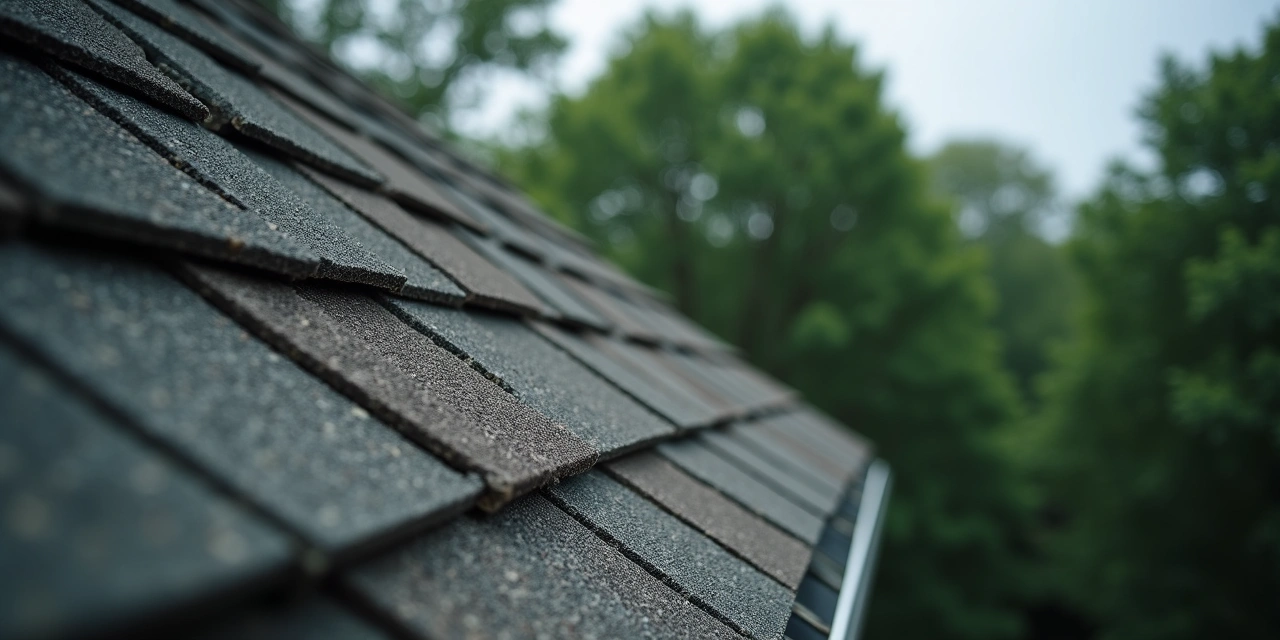
A failing EPDM or modified bitumen membrane shows up as ponding water and blister fields. It also shows failing seams and blocked drains. The leaks that result damage inventory, interrupt tenants, trigger business interruption claims, and accumulate liability.
Building owners who treat commercial roofing as maintenance rather than capital investment pay twice. They fund the eventual replacement and all the damage costs that preceded it.
The 5 Financial Returns on a Commercial Roof Investment
1. Eliminated repair and maintenance costs. The most direct return.
Commercial buildings with failing roofs typically spend $1.50 to $4.00 per square foot per year. That goes to patches, sealants, drain corrections, and emergency call-outs.
A 10,000-square-foot roof at $2.50/sq ft annual repair cost runs $25,000 per year. A replacement at $80,000 to $100,000 eliminates that spend. The payback is 3 to 4 years from repair savings alone.
2. Energy savings from insulation and reflective membranes. Ohio commercial buildings built before 1990 often have R-10 to R-15 roof insulation.
Current energy codes target R-30 or higher. Upgrading during a replacement typically adds $0.75 to $1.50 per square foot. Improved thermal performance saves $0.15 to $0.40 per square foot per year.
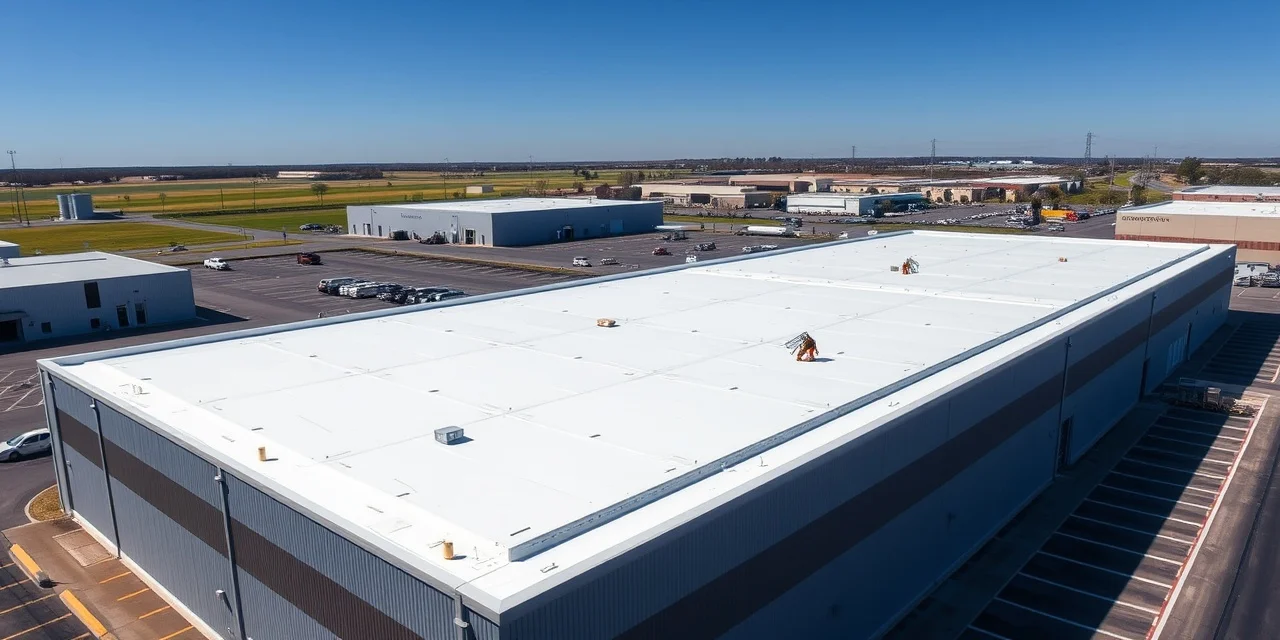
The exact figure depends on the building's heating and cooling profile. Reflective TPO or PVC membranes reduce cooling loads 10 to 15 percent in summer months.
3. Insurance premium and claim access improvements. Commercial insurance carriers increasingly require current core certification or condition reports on commercial roofs.
A building with a failed membrane and deferred replacement may face higher premiums. It may also face exclusions on interior damage coverage.
A new NDL (No-Dollar-Limit) warranty installation from a certified contractor can reduce annual premiums. It can also restore full replacement coverage.
4. Avoided interior damage liability. Commercial leaks create tenant disruption, inventory damage, mold liability, and potential lease-break scenarios.
One interior damage event from a commercial roof failure can run $10,000 to $100,000. The range depends on the building use. This is a difficult cost to put a precise figure on.
It is real. Most commercial policies do not cover it under the deferred maintenance provision.
5. Property value and refinancing position. Appraisers and lenders treat a failed commercial roof as a deferred maintenance liability.
That reduces loan-to-value ratios. A new roof with a 20-year NDL warranty is a positive asset. That holds in a refinancing or sale, if the warranty is properly transferred and documented.
Lenders often require roof certification for commercial loans above certain LTV thresholds.
Typical Ohio Commercial Roof Replacement Costs
| System | Cost Per Sq Ft (installed) | Lifespan in Ohio | Best For |
|---|---|---|---|
| EPDM (rubber membrane) | $6 – $10 | 20–30 years | Low-slope, budget-conscious |
| TPO single-ply | $7 – $12 | 15–25 years | Energy efficiency, reflective |
| Modified Bitumen | $6 – $10 | 15–25 years | Durability, puncture resistance |
| Built-Up Roofing (BUR) | $8 – $14 | 20–30 years | High-traffic rooftops |
| Metal (standing seam) | $14 – $22 | 35–50 years | Long-term ownership, low maintenance |
Ohio commercial roofing pricing is in line with Midwest averages. Jobs over 10,000 square feet typically see 10 to 20 percent lower per-square-foot costs. Material efficiency and mobilization amortization drive that.
Learn more about our commercial roofing services for Fairfield County buildings.
5-Year Savings Breakdown
Commercial Roof ROI Calculator
Enter your building details to see your estimated 5-year return. Use conservative numbers. The goal is a floor estimate, not an optimistic projection.
Estimated payback period: ' + payback + ' years. Returns include repair savings ($' + Math.round(repairSavings5yr).toLocaleString() + '), energy savings ($' + Math.round(energySavings5yr).toLocaleString() + '), and avoided interior damage ($' + Math.round(avoidedDamage5yr).toLocaleString() + '). Get a contractor assessment to validate these numbers against your specific building.
'; })()">Calculate ROIWhen to Replace vs. When to Repair
Not every commercial roof past its prime needs to come off this year. The repair-vs-replace threshold in commercial roofing is typically reached when:
- Annual repair costs exceed 5 percent of the replacement cost (e.g., $5,000+/year on a $90,000 replacement job)
- The membrane has failed in more than 25 percent of its area. At that point, patches are not fixing the system, they are fighting the system
- An infrared moisture scan reveals saturated insulation beneath the membrane. Wet insulation cannot be remediated in place and drives replacement cost higher each year it is deferred
- The building is approaching a lease renewal, sale, or refinancing where roof condition directly affects valuation or loan terms
If you are unsure where you stand, start with a commercial roof inspection. Add an infrared moisture scan.
It gives you a membrane condition map and the extent of insulation saturation. You also get a documented baseline for a repair plan or a replacement scope.
These costs compound when action is deferred. See our article on the real cost of waiting to replace a failing roof.
Frequently Asked Questions
What is the ROI on a commercial roof replacement in Ohio?
Ohio commercial roof replacement typically generates 15 to 35 percent ROI over five years. That counts eliminated repair costs, energy savings, avoided interior damage liability, and improved property value.
A TPO or EPDM replacement usually repays its incremental investment in 4 to 7 years. That assumes a building spending $8,000 to $15,000 per year on patching. Repair savings alone cover it.
How long does a commercial roof last in Ohio?
EPDM and built-up roofing systems last 20 to 30 years in Ohio. TPO and modified bitumen last 15 to 25 years. Metal commercial roofing lasts 30 to 50 years.
Ohio's freeze-thaw cycling and heavy precipitation place these systems near the lower end. That holds without proper drainage maintenance and regular inspection. Ponding water is the single biggest life-shortener for flat commercial roofs in this climate.
What does commercial roof replacement cost per square foot in Ohio?
EPDM and modified bitumen run $6 to $10 per square foot installed in Ohio. TPO costs $7 to $12. Metal commercial systems run $14 to $22.
Large footprints (10,000+ sq ft) typically see 10 to 20 percent lower per-square-foot costs. Insulation upgrades, deck replacement, and drainage corrections are quoted separately as discovered conditions.
Disclaimer: Financial figures, ROI estimates, and payback projections on this page are illustrative only. They are modeled from contractor cost data, industry benchmarks, and EPA energy savings ranges — not audited financials. Actual returns will vary based on building age, system condition, contractor pricing, local energy rates, and insurer terms. This content does not constitute financial or engineering advice.
Get a Commercial Roof Assessment
Ohio building owners and property managers can get a scope, cost estimate, and ROI analysis for their specific building.