Storm Season Peaks in July
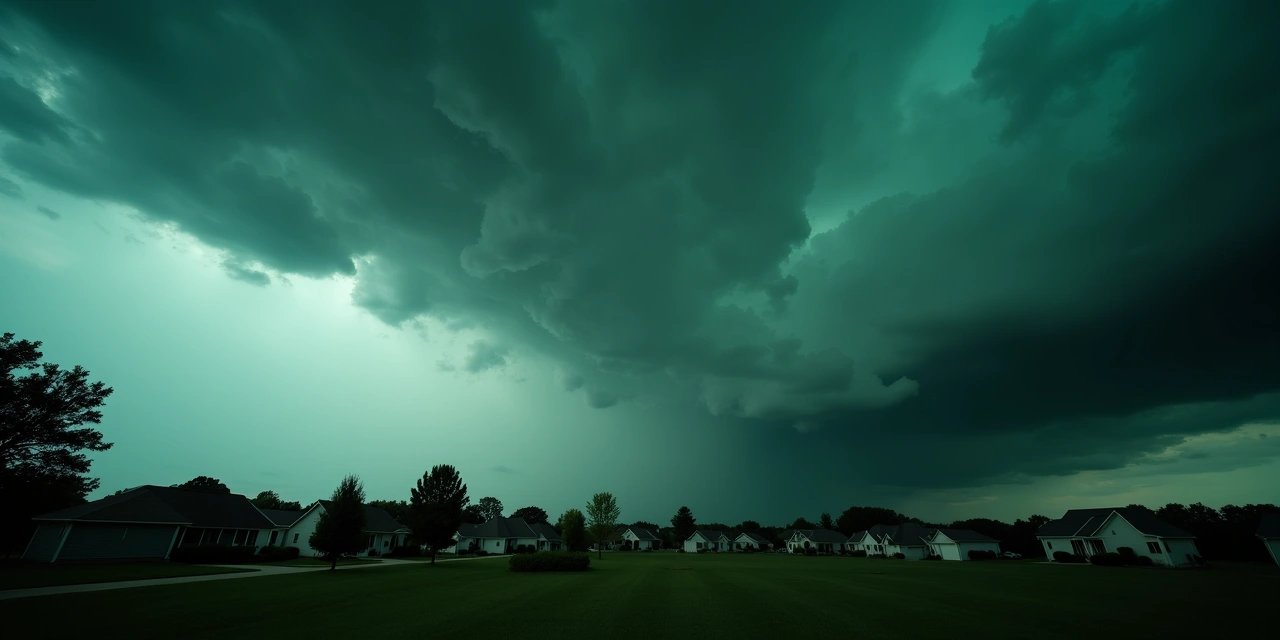
July is when things get serious in Ohio. The humidity climbs, the sky turns green, and hail starts falling. If you're a homeowner in Lancaster or Fairfield County, the next four weeks matter.
Most homeowners don't know what to do when a storm hits. They panic, call their insurance company without documentation, or worse, ignore damage until it spreads. We see this constantly. The ones who win are the ones who act before the storm arrives.
What Actually Happens During a Storm
Hail damage doesn't need to be massive. Quarter-sized hail (the size of a quarter, literally) punches holes in shingles. Wind above 45 mph starts lifting shingles. It doesn't tear them off. It lifts the edges, and water gets underneath. You might not see it for weeks.
The problem is insulation. When water sits under shingles, it soaks into the decking. Mold starts growing. The structural integrity fails. By the time you notice it in the attic, the damage is already expensive.
What to Do Right Now
Before July storms arrive, take three concrete steps.
Step one: Take photos of your current roof. Get up on a ladder safely or use binoculars from the ground. Take clear photos of shingles, gutters, flashing around the chimney. Store these somewhere you can find them. This is your before-and-after baseline.
Step two: Check your gutters and downspouts. Clean them out. Clogged gutters cause water to pool on the roof. Pooled water is how small damage becomes major damage. This takes 30 minutes and costs nothing.
Step three: Know your policy limits. Call your insurance agent right now. Ask exactly what's covered for roof damage, what the deductible is, and whether they require estimates or photos. Don't wait until after a storm.
If a Storm Hits
Act within 24 hours. This sounds extreme but it's not.
First, assess safety. If there's structural damage or water actively dripping inside, get out and stay out. Call a professional. Don't climb on a wet roof.
Second, document everything. Walk the perimeter. Take photos of obviously damaged shingles, missing gutters, anything visibly wrong. Take photos of the yard too. If there's hail on the ground, get it in the shot. Insurance companies know what hail looks like.
Third, call your insurance company. File a claim the same day. Tell them you're documenting damage and will send photos. Don't admit fault or downplay anything.
What About Contractors Showing Up
After a major storm, contractors knock on doors. Some are legit. Most cut corners.
Don't sign anything the day of the storm. Don't agree to let them handle your insurance claim. Don't accept their estimate as gospel. Reputable contractors expect you to get multiple bids. If someone pressures you to decide immediately, walk away.
Get three estimates. Make sure each one specifies what they're replacing and what they're repairing. Cheap isn't better when the roof fails again in five years.
Your Move
If you're in Lancaster, Newark, or anywhere in Fairfield County, July is make-it-or-break-it time. Get a free roof inspection now, before the storms come. We'll photograph your roof, show you problem areas before they fail, and answer insurance questions. No pressure. No sales pitch. Just honest assessment.
The homeowners who don't regret July are the ones who prepared in June.
Call for Free Inspection: 877-367-1885
Related articles:
Emergency Roof Repair Guide for Ohio Homeowners
How to File a Roof Insurance Claim in Ohio
Roof Condition Assessment Tool
Sources:
Insurance Information Institute: 2026 Homeowners Insurance Report
National Weather Service: Severe Weather Data, Ohio Region
Ohio Department of Commerce: Contractor Licensing Standards