A roof inspection in Ohio costs anywhere from $0 to $600 depending on what type you get and who performs it. That range isn't a rounding error — it reflects genuinely different products. A free contractor visual and a paid infrared thermal scan are not the same service. Knowing what each type actually delivers, and when each is appropriate, prevents you from either overpaying for something you don't need or getting an inadequate inspection when the stakes are high.
Industry surveys suggest that 67% of Ohio homeowners have never arranged a proactive roof inspection — they wait until there's a problem. That's an expensive habit. A $250 inspection that catches a failing pipe boot or compromised valley flashing can prevent $4,000 to $15,000 in interior damage from water infiltration. This guide gives you the current pricing, what each inspection type covers, and when it's actually worth paying for the upgraded option.
How Much Does a Roof Inspection Cost in Ohio?
Here's the current pricing breakdown for the Fairfield County market in 2026:
| Inspection Type | Typical Cost | What's Included | Best For |
|---|---|---|---|
| Basic visual (contractor) | $0–$150 | Ground-level and rooftop visual check, verbal or basic written summary | Routine maintenance, storm follow-up, pre-season check |
| Professional inspection with report | $150–$350 | Full roof walk, written report with photos, condition ratings, repair recommendations | Home purchase, insurance documentation, annual maintenance |
| Drone inspection | $200–$450 | Aerial photo and video documentation, useful for steep or inaccessible roofs | Steep-pitch roofs, post-storm documentation, insurance claims |
| Infrared/thermal inspection | $400–$600 | Thermal imaging to detect trapped moisture, wet insulation, hidden leak paths | Suspected moisture infiltration, flat/low-slope roofs, commercial properties |
Many roofing contractors in Fairfield County offer free basic inspections as part of estimating potential work. That's a legitimate service and worth taking up for routine checks. For situations where you need documentation — home purchases, insurance disputes, or any time you're making a significant financial decision based on the roof's condition — pay for a third-party professional inspection.
What Does a Basic Roof Inspection Include?
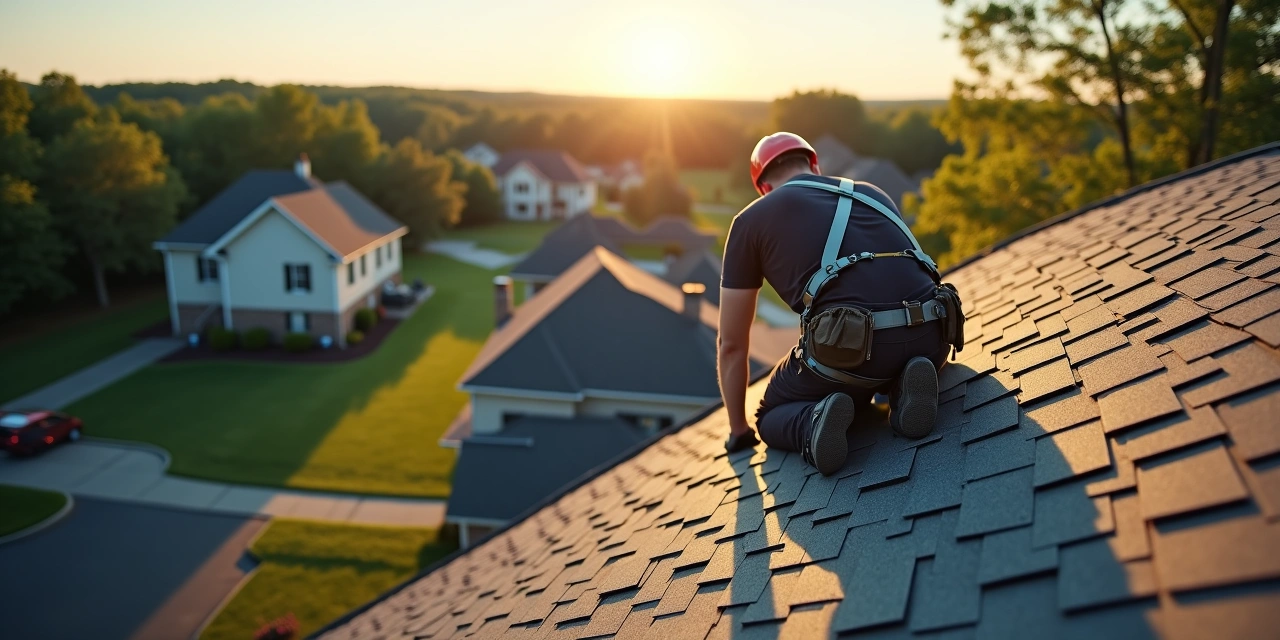
A standard professional roof inspection covers the following areas systematically. A good inspector documents each with photos and notes condition and urgency on each item.
Shingle field condition. The inspector walks the field of the roof looking for curling, lifting, cracking, missing tabs, granule loss patterns and any areas of exposed underlayment or decking. They note the percentage of the field that shows wear, which directly informs the repair-vs-replace recommendation.
Flashings at all penetrations. Every chimney, skylight, pipe vent, exhaust fan, dormer wall and valley gets checked. Flashing is the most common source of roof leaks. The inspector checks for lifted metal, cracked caulk, rust, improper lapping and any gaps where water can enter the assembly.
Ridge and hip cap condition. The ridge line and hip corners are the most wind-exposed areas of the roof. Cap shingles here show failure first. The inspector checks for lifted, cracked or missing cap shingles and whether the ridge vent (if present) is properly functional.
Gutter attachment and condition. Gutters that are pulling away from the fascia, sagging or holding standing water all create conditions for ice dam formation and fascia rot. The inspector checks slope, hanger condition and downspout discharge distance from the foundation.
Attic check. A thorough inspection includes a quick attic walkthrough. This catches what a rooftop-only inspection misses: water stains on rafters or decking, frost patterns indicating condensation from poor ventilation, daylight gaps at the ridge or soffits, and any signs of existing leak tracks.
Drip edge and soffit/fascia condition. Drip edge integrity and soffit venting are checked as part of the moisture management system. Missing drip edge lets water run behind gutters. Blocked soffit vents impair ventilation and contribute to ice dams and premature shingle degradation.
The written report should clearly state the current condition, estimated remaining useful life, any urgent repairs needed and a recommendation on repair vs. replacement timeline. If a contractor inspection doesn't include a written report with photos, it's a basic visual — not a professional inspection.
What's the Difference Between Free and Paid Inspections?
This is where homeowners get confused, and the confusion costs them money.
A free contractor inspection is genuinely useful — a skilled roofer doing a walkthrough will spot most problems. The limitation is independence. The contractor inspecting your roof is also the one who might sell you the repair. That doesn't mean they're dishonest. It means they have a built-in frame of reference that may lean toward finding work. Most contractors are honest about this and will tell you when a repair can wait. But when stakes are high — home purchase, insurance dispute, deciding whether to repair or replace — you want a truly independent opinion.
A paid independent inspection runs $150 to $350. The inspector has no stake in whether you repair, replace or do nothing. Their report is the closest thing to an objective assessment you'll get. For a home purchase, this is non-negotiable. The $250 inspection fee is nothing compared to the leverage it gives you in negotiating a closing credit or repair requirement when the report documents problems the seller didn't disclose.
One more point on the free inspection: get it in writing. Even a free contractor inspection should produce at minimum a summary email or PDF noting the date, property, what was checked and any findings. That documentation matters if you ever need to prove pre-storm condition for an insurance claim.
When Do You Need a Drone or Infrared Inspection?
Drone inspections ($200 to $450) make the most sense for steep-pitch roofs where walking safely requires fall protection equipment, or for post-storm documentation when you need aerial imagery to support an insurance claim. The drone captures high-resolution photos and video of every slope from angles not possible on foot. The footage is time-stamped, which is useful for establishing storm damage documentation. Some contractors include drone footage in their standard inspection for steep roofs at no extra charge — ask.
Drone inspections don't replace a physical walkthrough. A drone camera can identify missing shingles, visible hail spatter patterns and obvious flashing problems. It can't assess whether a shingle is lifting at the corners, test sealing strip adhesion or examine flashing detail up close. Use drone inspection as a supplement to, not a replacement for, a physical inspection on residential properties.
Infrared/thermal inspections ($400 to $600) detect moisture trapped in the roof assembly by measuring surface temperature differentials. Wet insulation holds heat differently than dry insulation. The thermal camera produces a map of the roof that shows exactly where moisture has infiltrated, even in areas with no visible surface damage.
Infrared inspections are worth the cost in three situations: you've had repeated unexplained leaks and standard visual inspection hasn't found the source, you're buying a commercial building with a flat or low-slope roof (flat roofs trap moisture in ways that a visual inspection routinely misses), or you suspect ice dam damage from previous winters that has left moisture trapped in the insulation below the decking.
For standard residential pitched roofs in good condition, infrared inspection is usually overkill. The moisture problems that affect most Ohio homes are visible to an experienced inspector doing a physical walkthrough. Save the infrared cost for situations where the standard approach has already failed to find the problem.
How Often Should Ohio Homeowners Get a Roof Inspection?
The right inspection frequency depends on your roof's age and what your area has been through weather-wise.
For roofs under 15 years old: Every 2 to 3 years is a reasonable baseline, plus after any storm that produced hail 1 inch or larger or sustained winds over 60 mph. Ohio's spring storm season makes an annual post-storm check in late May or June sensible. Most problems on a young roof trace to installation errors or flashing failures — catching those early prevents them from becoming structural issues.
For roofs 15 to 20 years old: Annual inspections. At this age, shingles are in the late-middle portion of their life and problems accelerate. UV degradation compounds, sealing strips lose adhesion and flashing caulk typically needs reapplication. An annual inspection gives you a running condition log that makes the repair-vs-replace decision much cleaner when the time comes.
For roofs over 20 years old: Annual inspections, and be prepared for the replacement conversation. At 20-plus years on architectural shingles, you're past the midpoint and approaching the end of rated life. The inspection at this stage isn't about finding small fixes — it's about accurately timing the replacement to avoid emergency situations and budget the cost appropriately.
Spring is the best time for an annual inspection in Ohio. It catches ice dam damage from winter, assesses condition before the peak storm months of April and May, and gets you on contractor schedules before the spring rush. Book early — inspection slots fill fast in March and April. After inspections reveal issues, the glossary is a useful reference for understanding exactly what your contractor's report is describing.
For a complete picture of what problems to watch for at different roof ages, see our complete roof lifespan guide. If the inspection reveals damage that could push you toward replacement, the signs you need a new roof article walks through the decision criteria in detail.
Frequently Asked Questions
How much does a roof inspection cost in Ohio?
Roof inspection costs in Ohio range from $0 for a basic contractor visual to $600 for a full infrared thermal scan. A standard professional inspection with a written report runs $150 to $350 in the Fairfield County market. Drone inspections add aerial imagery and run $200 to $450. Many roofing contractors offer free basic visuals as part of estimating potential work. For home purchases or insurance documentation, pay for an independent inspection — the extra cost is worth the unbiased report.
Is a free roof inspection from a contractor trustworthy?
A free inspection from a reputable contractor is generally honest, but it has a built-in limitation: the contractor has an interest in finding work. That doesn't mean they'll fabricate problems, but their report isn't fully independent. For routine maintenance checks, a free contractor inspection is fine. For a home purchase, an insurance dispute, or any situation where you need a truly independent opinion, pay for a third-party inspector who has no stake in the outcome. Always ask for written documentation even from a free inspection.
Do I need a roof inspection when buying a home in Ohio?
Yes. A standard home inspection includes a roof check, but general home inspectors often do a limited visual assessment without walking the roof or documenting condition in the detail a specialist provides. For any Ohio home with a roof over 15 years old, a dedicated roof inspection by a licensed roofing contractor is a smart additional step. The $150 to $350 cost is a small fraction of what a missed roof problem could cost after closing — and the report gives you negotiating leverage if problems are found. Check our roof inspection service page to schedule one in Fairfield County.
When is an infrared roof inspection worth the cost?
Infrared inspections are worth the $400 to $600 cost when you suspect moisture infiltration but can't find visible damage, when you're buying a commercial property with a flat or low-slope roof, or when you've had repeated leak callbacks that standard visual inspection hasn't resolved. Thermal imaging detects temperature differentials caused by wet insulation or trapped moisture — problems invisible to the eye until they've caused significant structural damage.
How often should Ohio homeowners get a roof inspection?
Ohio homeowners should get a professional inspection every 2 to 3 years on a roof under 15 years old, and annually once the roof passes 15 years. After any storm that produced hail larger than 1 inch or winds over 60 mph, get an inspection regardless of how the roof looks from the ground. Spring is the best time for an annual inspection — it catches winter ice dam damage and assesses condition before Ohio's storm season peaks in April and May. See our spring storm prep guide for what an inspection should cover before storm season.
Need Help with Your Roof?
Get a free, itemized estimate from Fairfield County's trusted roofing team.