Newark Church Roof Torn Off: Your 72-Hour Storm Damage Checklist
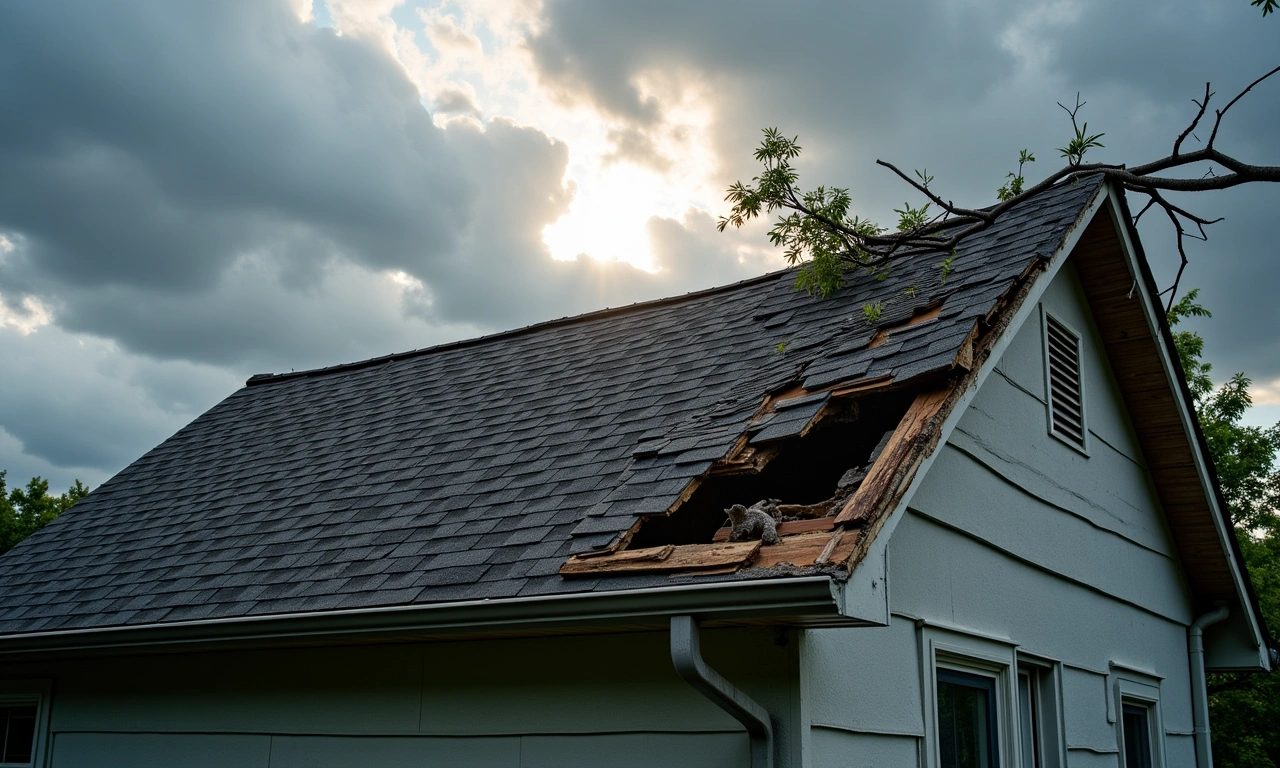
A microburst tore the roof off The Church Triumphant on Madison Avenue in Newark around 2:30 p.m. on July 21, 2026. The roof landed in the street and a neighbor's yard. It had been replaced about a year earlier for roughly $30,000, according to WOSU Public Media. That detail matters. A roof's age is not what failed here. Wind did.
The same storm system knocked down trees across Newark, punched a tree through a woman's insurance office, and left thousands of AEP customers without power for most of the day, with outages concentrated in Licking and Muskingum counties. Roads flooded in Muskingum County under the same band of storms. The National Weather Service confirmed tornadoes in Muskingum, Trumbull/Mahoning, and Clermont counties that afternoon, per 10TV. No tornado touched down in Licking County itself. The church roof came off from straight-line wind alone.
What Wind Uplift Actually Looks Like
Homeowners picture hail damage as the main storm threat. The Newark church is a better teaching example of wind damage, because it shows the mechanism plainly. A microburst is a short, violent downdraft, not a rotating tornado. It hits a roof edge or ridge, gets underneath a weak seam, and peels the whole plane back like a can lid. The church's roof was a year old. Age was not the failure point. A gap in fastening or flashing at one edge was enough.
That is the uncomfortable lesson for anyone near this storm track. A newer roof is not immune to a strong enough gust. What matters is whether the edges, ridge caps, and flashing were sealed correctly the first time.
The First 24 Hours: Stop Water, Not Just Debris
If your roof lost shingles or decking is visible from the ground, water is your enemy before wind is. A second round of rain, even a routine afternoon shower, turns exposed decking into a soaked, sagging problem inside two days. Photograph the damage from the ground and from inside the attic if it is safe to enter. Do this before anyone touches a shingle or moves debris.
Do not climb onto a damaged roof yourself. Cracked decking, hidden nail pops, and wet shingles are a fall risk that is not worth a photo. A licensed contractor with proper harness gear can safely assess what you cannot see from a ladder.
Call for a roof inspection and, if decking is exposed, ask specifically about emergency tarping. A correctly installed tarp buys time between the storm and a permanent repair without voiding warranty terms on the surrounding roof. See our emergency roof repair guide for what a proper tarp job should look like.
Hours 24 to 48: Document Before You Clean Up
Fallen limbs and shingle debris feel urgent to clear, especially with neighbors doing the same. Resist the urge to fully clean up before your insurer or contractor has seen the damage in its original state. Photograph everything first: the roof plane, gutter damage, any interior water stains, and the tree or limb if one is involved.
Storms like this one draw traveling crews offering fast, cheap repairs. Get a second opinion before signing anything, particularly if someone approaches you door to door. Our guide on roofing scams after Ohio storms covers the specific red flags to watch for in the days right after an event like this.
Hours 48 to 72: Get a Full Assessment, Not Just a Patch
Visible missing shingles are the obvious damage. What a homeowner cannot see from the ground is whether wind lifted and reseated shingles elsewhere on the roof without fully detaching them, or whether flashing around vents and chimneys shifted. That kind of storm damage causes leaks weeks later, long after the storm is old news locally.
A full inspection covers the whole roof plane, not just the section with obvious gaps. If you are in Fairfield County and this storm passed near you, our guide to handling a Fairfield County storm roof emergency walks through what a thorough post-storm inspection should include. For anything beyond a tarp and a patch, connect with a contractor who handles full storm damage repair, not just spot fixes.
Check Your Storm Damage Urgency
Answer four quick questions to get a sense of how urgently your roof needs attention after this storm. This reflects the same factors a contractor weighs on a first call.
How to use this: select the option closest to your situation for each question, then click Check My Urgency Level. This is an educational triage estimate based on the same visible-damage factors a roofing contractor checks first. It is not a substitute for an on-site inspection.
Signs You Need Emergency Service Today, Not This Week
Some signs cannot wait for a scheduled appointment. Exposed decking with rain in the forecast within 48 hours. Any active interior dripping. A roof section that looks visibly lifted or separated at a ridge or edge, even if it has not fully detached yet, since that is the early version of what happened in Newark. If any of these apply, call for emergency roof repair the same day rather than waiting for a routine inspection slot.
For everyone else in the path of this storm system, from Newark and Granville through Pataskala, Hebron, and down into Fairfield County, a same-week inspection is still worth scheduling even without visible damage. Wind-lifted shingles that reseated themselves often look fine from the ground and fail during the next windstorm instead of this one.
Next Move
Walk your property line this week, not just your roofline. Look for shingle granules in gutters and downspout runoff, torn flashing at chimneys and vent pipes, and any limb contact on the roof edge you have not yet accounted for. Photograph what you find with a timestamp and keep it with your policy paperwork. More storms are likely before this Ohio summer is over, and a documented baseline now is the difference between an easy claim later and a dispute over when the damage actually happened.
Get a Free Roof Inspection: 877-367-1885
Related articles:
Fairfield County Storm Roof Emergency Guide
Emergency Roof Repair Guide for Ohio Homeowners
How to Spot Roofing Scams After an Ohio Storm
File a Roof Claim in Ohio, and Your Insurer Can Drop You in 30 Days
Sources:
NBC4 WCMH-TV: Severe storms cause major damage, flooding in central Ohio
WOSU Public Media: Newark cleans up after Tuesday's storms tear roof off church, damage trees and homes
10TV WBNS: Ohio storms: 9 tornadoes confirmed so far after Tuesday's storms